The Master of Computer Applications program at NMAM Institute of Technology, Nitte, is accredited by the National Board of Accreditation (NBA).
The Master of Computer Applications (MCA) program, started in the year 1993 at NMAMIT, with an intake of 30 currently has an intake of 180. MCA is a two year (four semesters) full- time postgraduate program that focuses on advanced theoretical and practical knowledge about computer application development and programming languages. The MCA degree equips students with skills to develop tools that enhance the working of applications. The course structure and contents provide in-depth knowledge and trains the students in various aspects of computer programs, application software, computer architecture, operating systems database management and many more. The MCA program equips students with the knowledge of four important topics – the mathematics underlying computer science, core computers, systems science, and software development or design. Students acquire proficiency in subjects like Artificial Intelligence, Soft Computing, Machine Learning, Cyber Security, Blockchain Technology, Internet of Things, Cloud Computing, Healthcare Analytics, Bioinformatics, Image Processing, Natural Language Processing and Mobile Computing to name a few. Students of the MCA program at NMAMIT Nitte, are encouraged to participate in research projects, multidisciplinary projects and community service projects that fosters a quality of research mindset in them. At the outset of the MCA program, the subject of research methodology is introduced. This course is designed to meet the demand for qualified professionals in the IT field as it emphasizes on latest programming languages and tools to develop better and faster computer applications. MCA students of NMAM.I.T., are successfully placed in companies like HP, IBM, Infosys,Wipro, RedHat, Robert Bosch, SonicWall, Accenture, Mindtree, Pinaka Informatics,Pinnacle Media, Informatica, Warpdrive, Robosoft Technologies, Global Delight, Thought,Grains, Code Craft, Laurus Infosystems, Kambala Solutions, Invenger, Growthbits, Span Infotech, Trivium, Techjini, Sun Plus, Next Novity, Telecom Thinking Hats, Indyago, TechVerve Solutions, Dell India to name a few. MCA students are also placed in overseas companies like Nidec Read CoE, Japan, Kobayashi Create CoE Japan. Miraic Inc Japan, Mamiya IT Solutions Japan and Temairazu Inc Japan.
Vision
Equipping students with computing and programming domain expertise with the state of the art technology solutions to enable them to meet global professional challenges.
Mission
The department strives to create a conducive environment equipping students to work in teams and have
- Professional Ethics
- Sound Technical Knowledge
- Skills to Handle Technological Challenges
- To think critically, work creatively, communicate effectively, and become technologically competent.
- To be able to update themselves in areas and technologies relevant to their career.
- To function in supportive/ leadership roles with ethical responsibilities and high regard towards societal needs.
- To develop teamwork ability, lead initiatives and manage tasks effectively.
- PO1 (Foundation Knowledge): Apply knowledge of mathematics, programming logic and coding fundamentals for solution architecture and problem solving.
- PO2 (Problem Analysis): Identify, review, formulate and analyse problems for primarily focussing on customer requirements using critical thinking frameworks.
- PO3 (Development of Solutions): Design, develop and investigate problems with as an innovative approach for solutions incorporating ESG/SDG goals.
- PO4 (Modern Tool Usage): Select, adapt and apply modern computational tools such as development of algorithms with an understanding of the limitations including human biases.
- PO5 (Individual and Teamwork): Function and communicate effectively as an individual or a team leader in diverse and multidisciplinary groups. Use methodologies such as agile.
- PO6 (Project Management and Finance): Use the principles of project management such as scheduling, work breakdown structure and be conversant with the principles of Finance for profitable project management.
- PO7 (Ethics): Commit to professional ethics in managing software projects with financial aspects. Learn to use new technologies for cyber security and insulate customers from malware
- PO8 (Life-long learning): Change management skills and the ability to learn, keep up with contemporary technologies and ways of working.
- To empower the students to exemplify themselves in the field of Information Technology ensuring credibility, integrity and ethical standards.
- Adopt research practices and trending technologies such as Artificial Intelligence and Machine Learning, Internet of Things, Cloud Computing and Data Analytics to solve real world problems.
Alumni Testimonials

Ms. R Raksha Prabhu
- DepartmentMaster of Computer Applications
- Year of Passing 2023
- Designation Software Engineer
- Organization Kobayashi Create Co., Ltd.
NMAM Institute of Technology, Nitte offers different programs that combines theoretical knowledge with practical knowledge. The campus also promotes a vibrant atmosphere with various extracurricular activities and industry interactions, preparing students for successful careers in the field of computer applications.

Ms. Chaithra C K
- DepartmentMaster of Computer Applications
- Year of Passing 2023
- Designation Software Engineer
- Organization Kobayashi Create Co., Ltd.
Recalling my days at NMAM Institute of Technology, brings back fond memories. The campus was vibrant, and I formed strong friendships. NMAMIT was instrumental in shaping my personal and professional growth for the future. Additionally, NMAMIT's effective placement department played a crucial role in helping me secure placement in a reputable company.

Ms. Kavya
- DepartmentMaster of Computer Applications
- Year of Passing 2022
- Designation Software Engineer
- Organization Kobayashi Create Co., Ltd.
When I first entered NMAM Institute of Technology , I was anxious about my future. Over the two years, so many doors were opened for our personal and academic development that I became confident. The college aims at enhancing our knowledge, skills and abilities. These years at NMAMIT are the best years concerning learning, experience and gaining exposure to fields relevant to my discipline. Also, thanks to the college and Training & Placement Department for their continuous efforts in getting me placed in IT Company.

Ms. Gauthami Kanchan
- DepartmentMaster of Computer Applications
- Year of Passing 2022
- Designation Software Engineer
- Organization Kobayashi Create Co., Ltd.
During my two years at NMAM Institute of Technology, Nitte, I not only excelled academically but also gained invaluable practical knowledge. Also, collaborating with peers on group projects taught me the importance of teamwork and effective communication. Overall, my time at Nitte equipped me not only with theoretical knowledge but also with the practical skills necessary for success in my future endeavors. I'm also immensely grateful to the placement department for their unwavering support in securing placement opportunities and guiding me towards landing a position in a reputable company, paving the way for my career growth and development.

Mr. Santhosh Kumar
- DepartmentMaster of Computer Applications
- DesignationV.P Engineering
- Organization Numocity Technologies Pvt Ltd.,
"College wasn't just textbooks and tests. It was a launchpad.
I had the privilege of attending NMAMIT Nitte, for my postgraduate studies, and I can confidently say that it was an enriching and transformative experience. From the moment I stepped onto campus, I was impressed by the welcoming atmosphere and the sense of community that permeated throughout.
The faculty members at college are truly exceptional. Their dedication to teaching and mentorship goes above and beyond, and I am grateful for the knowledge and skills they imparted to me. Whether in the classroom, the lab, or during office hours, they were always there to support and challenge me to reach my full potential.

Ms. Harolin Vaz
- DepartmentMaster of Computer Applications
- Year of Passing 2020
- Designation Programmer Analyst
- Organization IDrive Inc.
I’m immensely thankful to NMAMIT, Nitte for its pivotal role in my personal development and career aspirations. During my time there, I had the privilege of being mentored by some of the finest professors. The ample opportunities for skill enhancement, knowledge acquisition, and leadership development, facilitated by the exceptional teaching faculty, were invaluable. Their unwavering support and guidance helped me a lot when I graduated from the college, and it continues to inspire me even to this day. Furthermore, NMAMIT boasts a remarkable track record in campus placements. Opting for an MCA from this institution has proven to be a fruitful decision in my life. I wholeheartedly recommend aspiring students to consider NMAMIT for a promising future.

Mr. Abdul Basith
- DepartmentMaster of Computer Applications
- Year of Passing 2018
- Designation Salesforce Developer
- Organization Salesforce
At NMAMIT, I found more than just an exceptional education; I discovered a supportive community that nurtures both personal and professional growth. The professors are mentors, the campus is vibrant, and the opportunities are endless. From academics to extracurricular, every aspect of life here fosters growth and connection.
The dedicated placement department works tirelessly to connect students with prestigious firms, preparing them for success in their chosen fields. Whether it's internships, co-op programs, or full-time positions.
If you're seeking an education that goes beyond textbooks and exams, NMAMIT is where your journey begins.

Ms. Babitha Shetty K
- Department Master of Computer Applications
- Year of Passing 2021
- DesignationSoftware Engineer (MacOS developer)
- Campus RcruitedGlobal Delight Technology
Basically from Vittal, Puttur, I did my BCA from SDMCBM Mangalore and did my masters in Computer Applications from NMAMIT Nitte. I graduated in the year 2021 with the CGPA of 9.72, during my post-graduation, I worked as student secretary of MCA Department and also participated in various inter college IT Fests and won prize.
I got placed in Capgemini and Global Delight Technology Pvt, Ltd Udupi and currently working as a Software Engineer (MacOS developer) at Global Delight Technology.
Key Facilities
| Name of the Lab | Facilities | Lab Details | Photos |
|---|---|---|---|
| Centre of Innovation for studies on Automatic Natural Language Processing and Speech Disorder Problems in Kannada Language | MATLAB Software, Simulink,Statistics and Machine Learning Neural Network & Tool Box Signal Processing High Performance with computing enabled hardware OptiPlex 3060 MTXCTO Speech Recording and Processing Hardware OptiPlex 7460A10CTO |
Lab Area : 22.29672 Sq. M
The VGST lab was funded by VGST scheme of KFIST Level (1) in the year 2017-18. The main focus of this lab is to allow the research scholars, faculty and students to work in the area of Natural Language Processing/Speech Processing |
 |
| Kobayashi Create – Nitte(NMAMIT) Center of Excellence | Industry Unit | Lab Area 22.29672 Sq. M
Kobayashi Nitte Center of Excellence is an industry unit (Center) where students are recruited by Kobayashi Create Japan and work on the projects of Kobayashi Create. The employees are mentored by Dr. Mamatha Balipa, Professor, Department of MCA and Dr. Pallavi Shetty, Associate Professor, Department of MCA |
 |
| NI’NADA - VGST Sponsored Acoustic Room | Recording room Recording devices Speech Recording and Editing Cubase Pro 10.5 full version (CUBASE) software |
Lab Area : 19.50963 Sq. M
The purpose of acoustic lab is to record audio data for the purpose of research related to speech and hearing as well as to record audio programs like music, speech, etc., without noise. The purpose of internet radio station is to broadcast academic programs and cultural events by the students and faculty of the institute. The community people in and around the institute also record and broadcast their programs using the facility. |
 |
| MCA Research Lab 1 | Well equipped Laboratories with high end machines and with high bandwidth internet connectivity. | Lab Area : 17.18 Sq. M Number of Systems : 10 Model : HP PD 600 G6 (08 Systems) Configuration : Intel Core I5 8GB DDR4, 1TB HDD, Intel Q470 Chipset Motherboard, USB Optical wired mouse, 20 inch HP TFT Monitor Operating System : Windows 10 Model : HP 280G2 MT (01 System) Configuration : Intel Core I5, 4GB DDR4, 500GB HDD, HP Keyboard, HP Mouse, HP 18.5 inch LED Monitor Operating Systems : Windows 7 Model : Dell Server PowerEdge T20 (01 System) Configuration : 4 GB RAM, 1 TB HDD Operating System : Ubuntu |
 |
| MCA Research Lab 2 | Well equipped Laboratories with high end machines and with high bandwidth internet connectivity. | Lab Area 17.18 Sq. M Number of Systems : 12 Model : HP PD 600 G6 (08 Systems) Configuration : Intel Core I5 8GB DDR4, 1TB HDD, Intel Q470 Chipset Motherboard, USB Optical wired mouse, 20 inch HP TFT Monitor Operating System : Windows 10 Model : Dell Optiplex 3050 (04 systems) Configuration : Intel Core i5-7500 Processor, 4 GB RAM, 1TB HDD, Dell E2016HV 19.5 inch monitor with LED back light, Intel Integrated Graphics, Dell USB Optical MS116 mouse-Black, Dell multimedia keyboard KB216 Operating System : Ubuntu/windows 10 upgraded to Windows 11 |
 |
Laboratories
| Name of the Lab | Subject handled in the labs | Lab Details | Photos |
|---|---|---|---|
| MCA Computer Lab 1 | Data Structures with Algorithms , Web Technologies Computer Networks, Java Programming |
Lab Area : 61 Sq. M Number of Systems : 33 Model : Lenovo Think Center M70S GEN3(30 systems) Operating System : Ubuntu Configuration : Intel Core i7-12700 Processor, 16GB RAM DDR4, 512 GB SSD, S22E 21.5 inch lenovo think vision, S22E 20 21.5_inch Monitor, Lenovo keyboard, Lenovo mouse Model : Dell Optiplex 3050 (03 systems) Configuration: Intel Core i5-7500 Processor, 4 GB RAM, 1TB HDD, Dell E2016HV 19.5 inch monitor with LED back light, Intel Integrated Graphics, Dell USB Optical MS116 mouse-Black, Dell multimedia keyboard KB216 Operating System : Ubuntu/Windows 10 Softwares : Netbeans , Java, NS 3, MySQL, Apache Server, Codeblocks, mongoDB, Jupyter, Pycharm, Python, XAMPP, Anaconda, Glassfish, VS Code, MERN |
 |
| MCA Computer Lab 2 | Database Systems, Artificial Intelligence and Machine Learning Operating Systems |
Lab Area : 61 Sq. M Number of Systems : 33 Model : HP PRODESK 4 SFF G1I DESKTOP(32 System) Configuration : Intel Ultra7 265, 32GB RAM, 512 GB SSD, WIN11 HOME SL,HP/BMOM/3 Pro 21.45 inch FHD Monitor B-AK2F1UT#ACJ Operating System : Ubuntu, Windows 10 Model : HP Prodesk 400 HI Series (12 systems) Configuration: Intel Core i5, 4 GB RAM, 500 GB HDD Operating System : Ubuntu/Windows 11 Model : Dell Optiplex 3050 (01 systems) Configuration : Intel Core i5-7500 Processor, 4 GB RAM, 1TB HDD, Dell E2016HV 19.5 inch monitor with LED back light, Intel Integrated Graphics, Dell USB Optical MS116 mouse-Black, Dell multimedia keyboard KB216 Operating System : Ubuntu/windows 10 Softwares :Netbeans , Java, NS 3, MySQL, Apache Server, Codeblocks, mongoDB, Jupyter, Pycharm, Python, XAMPP, Anaconda, Glassfish, VS Code, MERN |
 |
| MCA Computer Lab 3 | Database Systems, Artificial Intelligence and Machine Learning Operating Systems, Java Programming |
Lab Area : 61 Sq. M Number of Systems : 33 Model : C-Dell-3460-Precision Workstation PC 12th Generation (30 systems) Configuration : Intel Core i7,12700 Processor, 512 GB SSD, 16 GB RAM, DELL- E2222H-22 inch monitor, Dell Keyboard, Dell mouse. Operating System : Ubuntu/windows 11 Model : Dell Optiplex 3050 (03 systems) Configuration: Intel Core i5-7500 Processor, 4 GB RAM, 1TB HDD, Dell E2016HV 19.5 inch monitor with LED back light, Intel Integrated Graphics, Dell USB Optical MS116 mouse-Black, Dell multimedia keyboard KB216 Operating System : Ubuntu/windows 10 Softwares ::, Netbeans , Java, NS 3, MySQL, Apache Server, Codeblocks, mongoDB, Jupyter, Pycharm, Python, XAMPP, Anaconda, Glassfish, VS Code, MERN |
 |
| MCA Computer Lab 4 | Data Structures with Algorithms,Web Technologies Computer Networks |
Lab Area : 67 Sq. M Number of Systems : 33 Model : HP Pro SFF 400 G9(32 Systems) Configuration : Intel Core i7-14700 14th Generation with Intel UHD Graphics, 16 GB RAM, Supports Intel V Pro Technology Intel Q670 Chipset Motherboard 16GB DDR5 Memory, 512 GB 2280 PCIe NVMe Value Solid State Drive, HP 320K Keyboard, HP wired 320M Mouse Operating System : Ubuntu/windows 11 Model : Dell Optiplex 3050 (01 systems) Configuration : Intel Core i5-7500 Processor, 4 GB RAM, 1TB HDD, Dell E2016HV 19.5 inch monitor with LED back light, Intel Integrated Graphics, Dell USB Optical MS116 mouse-Black, Dell multimedia keyboard KB216 Operating System : Windows 10/Ubuntu Softwares : Netbeans , Java, NS 3, MySQL, Apache Server, Codeblocks, mongoDB, Jupyter, Pycharm, Python, XAMPP, Anaconda, Glassfish, VS Code, MERN |
 |
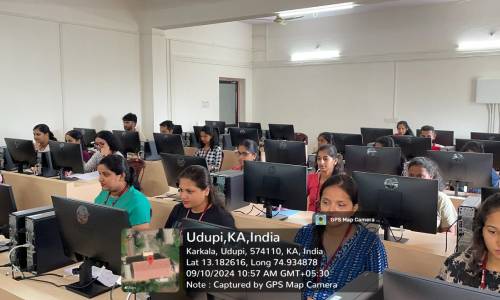
| MCA Computer Lab 5 | Data Structures with Algorithms, web Technologies, computer Networks, Java Programming |
Lab Area: 65 Sq. M Number of Systems : 38 Model : HP Pro 400 G9(38 Systems) Configuration : : Intel Core i5, 512 GB SSD, Intel Q670 Chipset motherboard 16GB DDR4 memory, HP USB 320k Keyboard, Hp wired 320M mouse, HP P22V G5 FHD DP Monitor Operating System : Windows 11 Home 64 Plus Softwares : Netbeans, Oracle 19C , Java, NS 3, MySQL, Apache Server, Codeblocks, mongoDB, Jupyter, Pycharm, Python, XAMPP, Anaconda, , Glassfish, VS Code, MERN |
 |
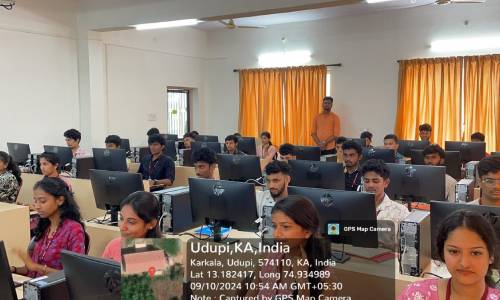
| MCA Computer Lab 6 | Database Systems, Artificial Intelligence and machine learning, operating systems |
Lab Area : 65 Sq. M Number of Systems : 38 Configuration : Intel Core i5, 512 GB SSD, Intel Q670 Chipset motherboard 16GB DDR4 memory, HP USB 320k Keyboard, Hp wired 320M mouse, HP P22V G5 FHD DP Monitor Operating System : Windows 11 Home 64 Plus Softwares : Netbeans, Oracle 19C , Java, NS 3, MySQL, Apache Server, Codeblocks, mongoDB, Jupyter, Pycharm, Python, XAMPP, Anaconda, , Glassfish, VS Code, MERN |
 |
Computers and Software
| Sl. No. | Name of the Software | |
|---|---|---|
| 1 | Netbeans 8.1 |  |
| 2 | Visual Studio Code |  |
| 3 | Matlab c |  |
| 4 | Oracle 19c |  |
| 5 | Java |  |
| 6 | Network Simulator |  |
| 7 | My SQL |  |
| 8 | Apache Server |  |
| 9 | Codeblocks |  |
| 10 | mongoDB |  |
| 11 | mongoDB Compass |  |
| 12 | Jupyter |  |
| 13 | PyCharm |  |
| 14 | Python |  |
| 15 | Matplotlib |  |
| 15 | XAMPP |  |
| 15 | Anaconda |  |
| 15 | GlassFish |  |
| 15 | MERN |  |
| 15 | Numpy |  |
| 15 | Sklearn |  |
For any information regarding the admissions,mail us at: info@nitte.edu.in
Faculty
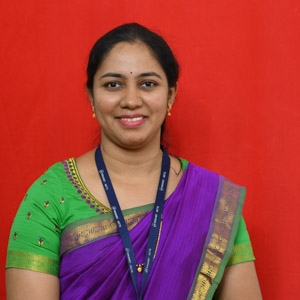
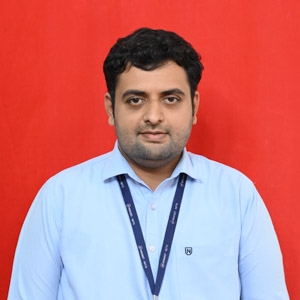
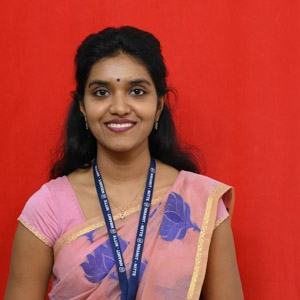
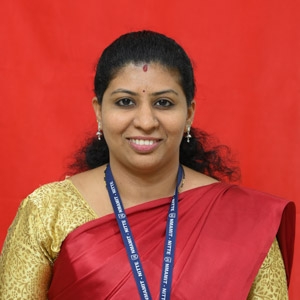
| Name | Designation |
|---|---|
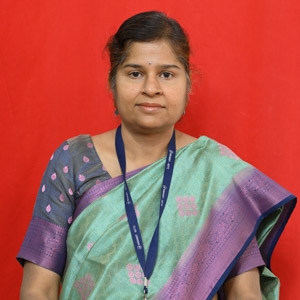
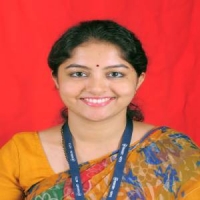
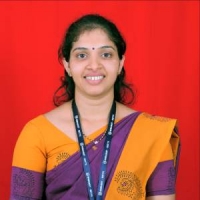
| Ms. SHOBHA | FOREMAN |
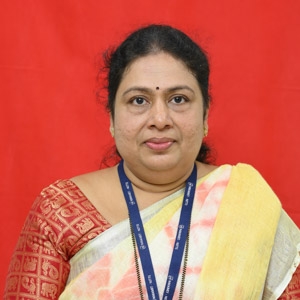
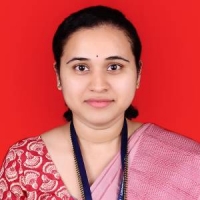
| Ms. VISHALI KARKERA | SENIOR LAB ASSISTANT |
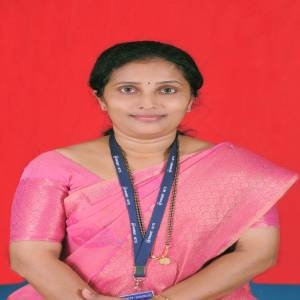
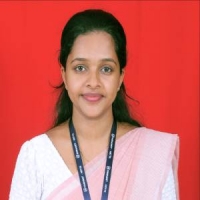
| Mr. HARSHAVARDHANA | SENIOR LAB ASSISTANT |
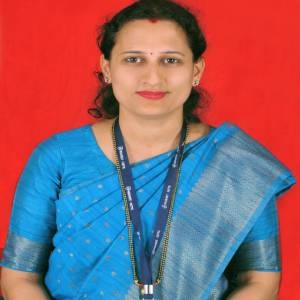
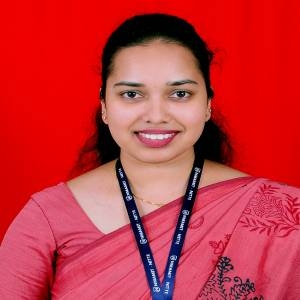
| MR. SADASHIVA N | ATTENDER |
| Mr. PRAVEEN K DEVADIGA | ATTENDER |
Skill Development
Professional Communication Skills course is taught in the 2nd semester for two hours per week. In this course, we focus on overall personality development, communication skills, grooming, group discussions and other competency building skills.
Pre-Placement Training Programme
Students are provided with extensive pre-placement training during the semester break. They are trained in mathematics/accountancy, quantitative analysis & software skills and technical and management skills to handle computer applications and software problem solving situations.
The areas covered are
- Quantitative Aptitude
- Logical and Analytical Reasoning
- Language Skill (Written)
- Communication Skill
- Technical-Basics of Computer, Operating System, C, C++, DS, etc.
- Group Discussion
- Personal Interview
Contributions to Teaching and Learning
- Innovations in use of Information and Communication Technologies (ICT)
- Innovations in instructional delivery and methods
- Innovations in Assessment
- Innovations in Evaluation
The various innovative teaching learning practices adopted by the MCA department is shown in the below figure:
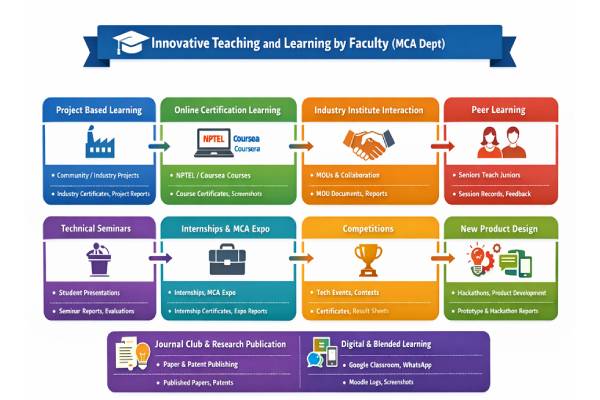
The teaching–learning practices adopted in the Department of MCA, integrating structured peer review, faculty evaluation, and industry collaboration to ensure quality education and skill development. It presents evidence-based outcomes such as project reports, certifications (NPTEL, Coursera), internships, seminars, and research publications that demonstrate student achievement. The approach emphasises experiential and collaborative learning, including project-based learning, peer learning, industry–institute interaction, and digital/blended learning.
The details provided in the table further showcase how each method is supported by specific evaluation techniques, documented results, and reproducible frameworks, ensuring scalability, continuous improvement, and opportunities for further research and development within the Department of MCA.
| Learning Method | Peer Review / Critique Methods | Results / Evidence | Reproducibility & Further Development |
|---|---|---|---|
| Project Based Learning | Peer, faculty & industry review | Project reports, certified projects | Standard guidelines, datasets, rubrics |
| Certification Learning | Peer discussion & quiz analysis | NPTEL, Coursera certificates | MOOCs enable easy replication |
| Japanese Language Class | Structured MOOC-based evaluation | Certification records | Global platforms support benchmarking |
| Industry Institute Interaction | Industry feedback & BoS review | BoS records, certified projects | MOU frameworks support adoption |
| Kobayashi Create CoE | Industry collaboration review | CoE activities, project outputs | Collaboration models enable expansion |
| Peer Learning | Structured peer feedback | Workshops, feedback reports | Peer models & session plans reusable |
| Technical Seminar | Faculty & peer evaluation | Seminar records, rubrics | Templates & topics support reuse |
| Internships | Industry mentor feedback | Internship certificates | Defined frameworks enable replication |
| MCA Expro / Competitions | Jury & peer benchmarking | Expro records, hackathon awards | Standard formats & rubrics reusable |
| Proactive Teaching Learning | Continuous quiz/activity review | Moodle reports | Question banks & strategies reusable |
| Digital Social / Blended Learning | LMS analytics & peer feedback | Moodle logs, activity records | Scalable digital platforms |
| Journal Club & Research | Peer & reviewer evaluation | Publications, reviews | Research methods & datasets reusable |
Placements
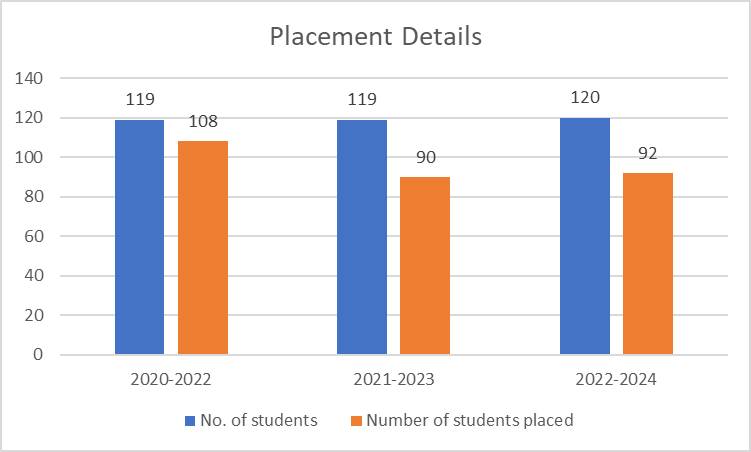
Recruiters in the year 2022-2024 (Student intake : 120)
| Sl. No. | Company Name | Number of Offers |
|---|---|---|
| 1 | RedBus | 03 |
| 2 | Clover Bay Technologies | 01 |
| 3 | TCS Ninja, TCS Digital | 10 |
| 4 | Mindtree | 1 |
| 5 | Riskonnect Services | 02 |
| 6 | Capgemini | 01 |
| 7 | Accenture | 02 |
| 8 | GlowTouch Technologies | 01 |
| 9 | Winman Software India LLP | 01 |
| 10 | Alopa Infotech | 01 |
| 11 | Anand Group | 01 |
| 12 | Appsanddevices Ltd | 01 |
| 13 | Ariston Services | 01 |
| 14 | BrandMuscle India Private Limited | 01 |
| 15 | Brillio | 01 |
| 16 | Code Sprectrum Technology LLP | 01 |
| 17 | CogniMuse a unit of Marble Software Private Limited | 01 |
| 18 | EGDK India Private Limited | 05 |
| 19 | FXBL | 01 |
| 20 | Genius consultants Pvt ltd. | 01 |
| 21 | Informatica Business Solutions Private Limited | 01 |
| 22 | Intact Green Services (India) Private Limited | 01 |
| 23 | Intellipaat Software Solutions Private Limited | 01 |
| 24 | Kambala Solutions | 01 |
| 25 | MCT Cards & Technology Private Limited | 01 |
| 26 | NeoQuant | 01 |
| 27 | Niveus | 01 |
| 28 | NoBroker Technologies Solutions Private Limited | 01 |
| 29 | Numocity Technologies Private Limited | 02 |
| 30 | Optinn Solutions | 01 |
| 31 | Paychex IT Solutions, India Private Limted | 01 |
| 32 | Pelatro | 01 |
| 33 | Pentagon Space | 01 |
| 34 | Prasanna Technologies Private Limited | 01 |
| 35 | Qualitech Solutions & Services | 01 |
| 36 | Raasoft Infotech | 01 |
| 37 | RD - Elogixa | 01 |
| 38 | Relanto | 01 |
| 39 | Retrix | 01 |
| 40 | Sclera VDMS | 02 |
| 41 | Sasken Technologies Ltd | 04 |
| 42 | Self Employed | 01 |
| 43 | Siemens Limited | 02 |
| 44 | Six Dee Netad Solutions Private Limited | 01 |
| 45 | Skanray Technologies | 4 |
| 46 | Tata Elxsi | 4 |
| 47 | Teaching | 11 |
| 48 | Udupi Web Solutions | 01 |
| 49 | Verified Network | 01 |
| 50 | Zephyr Consulting and IT Services | 01 |
| 51 | Zestl Software Private Limited | 01 |
| 52 | Zimplistic India Private Limited | 01 |
| TOTAL NUMBER OF OFFERS | 92 |
Departmental Achievements
Dr. Spoorthi B. Shetty received a grant of Rs. 1,10,000/- from Nitte (Deemed to be University) for the design and development of IO Poultry in the year 2022-23.
Dr. Surendra Shetty received a grant of Rs. 20,00,000 (Twenty Lakhs) from VGST, Government of Karnataka to establish Research centre “Centre of Innovation for studies on automatic natural Language processing and speech disorder problems in Kannada language."
Clubs & Chapters
About SAMCA: Students Association of MCA (SAMCA)
Students Association of MCA (SAMCA) is a students forum. SAMCA helps students to go beyond the parameters of classroom education. It organizes extracurricular activities such as seminars, group discussions, technical quizzes and cultural programmes.
The department of MCA had organized the “SAMCA Unplugged” - Inauguration of Student Association of MCA and Freshers’ day on 1 December 2022. Ms. Shubha B, H R Manager, Riskonnect Services Pvt Ltd, Mangalore was the chief guest. She spoke about the career opportunities for students and motivated them togain technical skills. Dr. Niranjan N Chiplunkar, Principal, NMAMIT, in his presidential remarks, encouraged the students to organize various programmes under SAMCA.
Winners of various competitions which was held under SAMCA for MCA Students were awarded with prizes. SAMCA student president Mr. Joel Joseph presented the SAMCA report which included some of the major events conducted and future plans for the academic year 2022-23. After the inaugural ceremony, Ms. Shubha B interacted with the students.
SAMCA organizes annual SEMAPHORE, a South India Level inter-collegiate meet, providing students with hands-on experience in event management calling for creativity, leadership, team work and innovativeness.
MCA Department of NMAMIT, organized South India Level Inter Collegiate Technical Fest “SEMAPHORE-2023” on 5th and 6th January 2023. Students from various institutions across the state participated in the fest.
Mr. Hemant Kumar Vice President (Software Engineering) Fidelity Investments, Bangalore inaugurated the SEMAPHORE-2023. In the inaugural address, he emphasized the students to give more importance on continuous learning which in turn leads to success.
Dr. Niranjan N Chiplunkar, Principal, N.M.A.M. Institute of Technology, in his presidential address congratulated the department for successfully organizing the fest from last 20 years and also mentioned the importance of these fests in students’ overall development.
Professor & Head, department of MCA Dr. Surendra Shetty welcomed the gathering. Semaphore staff coordinator Dr. Spoorthi B. Shetty introduced the chief guest. SAMCA president, Mr. Joel Joseph briefed about the SEMAPHORE fest. SEMAPHORE student coordinator Mr. Saurav Poojary gave details about the events and SAMCA secretary Ms. Shravya A Acharya proposed the vote of thanks.
Various technical events like Ice Breaker, Coding, IT Manager, Meme Making, Photography, Quiz, Tech Talk, Treasure Hunt, Web Designing were conducted.
National Institute of Technology, Surathkal, Mangalore won the overall championship and St. Joseph Engineering College, Vamanjoor, Mangalore won the runners up prize.
WINDOWS is the Department wall magazine where students exhibit their literary talents.
Professional society activities: The MCA students regularly participate in different events organized by CSI Nitte Chapter and ISTE student chapter activities.
Entrepreneurship Development Cell(EDC): Students attend seminars organized by the EDC of the Institute funded by the Department of Science and Technology, New Delhi.


List of MoUs
| Sl.No. | Organization |
|---|---|
| 1. | Pinnacle Media Solutions, Udupi |
| 2. | Tech Verve Solutions Private Limited, Bangalore |
| 3. | Thought Grains Solutions, Udupi |
| 4. | ExcelR EdTech Private Limited, Bengaluru |
| 5. | Numocity Technologies Private Limited, Bengaluru |

Ms. Rhea Rodrigues
- DepartmentComputer Science & Engineering
- Designation Pursuing Ph.D in Oncology and Cancer Biology
- Organization University at Buffalo, New York
"NMAMIT allowed me the opportunity to take on new ventures. It could be pitching ideas for workshops or participating in projects that benefit society. Through these opportunities, I gained the confidence to make career-enhancing decisions. In addition, I would like to thank my professors for supporting me throughout my academic career."
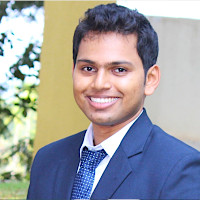
Mr. Amol Revankar
- DepartmentComputer Science & Engineering
- Year of Passing 2019
- Designation Software Engineer
- Organization Accenture
"NMAMIT is an amazing place for students to build their skills and aptitude. The teaching staff are excellent in their fields. Students are great learners. The college not only focuses on academics but also on extra curricular activities promoting students' growth. Summing it up, I say, 'It was an honor for me to be a part of NMAMIT".

Ms. Deeksha Bangera
- Department Computer Science & Engineering
- Year of Passing 2019
- DesignationGraduate Engineer Trainee
- Campus RcruitedMercedes Benz
It was a wonderful experience at NMAMIT, Nitte. The faculty members were always encouraging and supportive. The pre-placement activities were very helpful with all the mock tests and training sessions.
Ms. Deeksha S N
- Department Computer Science & Engineering
- Year of Passing 2019
- DesignationSoftware Development Engineer
- Organization Oracle India Private Limited
I am indebted to NMAMIT for providing me excellent lecturers in my M.Tech programme and opportunities to develop my professional personality. NMAMIT has an amazing Placement cell that invites the best of companies to get their students hired for good positions. I express my deep gratitude to all my teachers of NMAMIT. I had the best facilities -a good library, labs, canteen, hostel, indoor and outdoor sports. I shall always remain grateful to NMAMIT.
Mr. Manjunatha U
- Department Computer Science & Engineering
- Year of Passing 2019
- Designation Graduate Engineer Trainee
- Organization Mercedes-Benz Research and Development India
My 4 years in college has been absolutely wonderful at NMAMIT. I have been extremely lucky to have professors who made my academic life comfortable thereby providing me time to explore other interests, opportunities to test my skills in various arenas - from technical clubs to sports clubs, from student chapters to college fests.
NMAMIT continuosly supports students by mentoring and counselling from the time of their entry to exit. They also have strict policies against ragging and sexual harassment to provide a safe eco space for growth of all individuals.
I cannot thank the Placement Department enough for the platform they provided for my career. My experience of college life has turned me into a wholesome person, ready to face new challenges in life every day and I wholeheartedly thank each and every one at NMAMIT who have made my college life memorable.
Ms. Pallavi
- Department Computer Science & Engineering
- Year of Passing 2014
- DesignationSenior Software Engineer
- Organization Happiest Minds Technologies Ltd.
"At NMAMIT, I have received equal opportunities in curricular and extra curricular activities. The institute has an outstanding library with a plethora of books for all disciplines of engineering. The faculty are co-operative and provide vital course materials and throw light on open queries throughout the engineering journey. Various companies visit the campus for placements. The placement department simultaneously provides required training and study materials to prepare every individual for interviews and to pursue their future endeavours."
Ms. Preethika Anchan
- Department Computer Science & Engineering
- Year of Passing 2019
- DesignationSolutions Engineer
- Designation VMware
"My sincere appreciation and gratitude to all the staff of NMAMIT and Abhyuday, the Training & Placement Department for their efforts in imparting quality technical education and aptitude training. I am forever grateful to them for helping me to grab the amazing opportunity that came into my life of being a part of VMware".

Mr. Rameez Shuhaib
- Department Computer Science & Engineering
- Year of Passing 2018
- DesignationSoftware Engineer
- Organization Shuttl
"The NMAM institute of Technology has always provided me an opportunity to broaden my skills and to focus on my areas of specific interests in Academics. The friendly attitude of the professors and their willingness to readily offer a helping hand has helped me to improve technically as well as personally. I'm proud to be an NMAMITian".
Mr. Shashank S Shetty
- Department Computer Science & Engineering
- Year of Passing 2018
- DesignationSoftware Engineer
- Organization MakeMyTrip & Goibibo
"Education is the passport to the future, for tomorrow belongs to those who prepare for it today."- Malcolm X
I am grateful to NMAMIT, Nittefor providing me opportunities for growth. I had an amazing college journey. “To reach the top of the ladder, one should have a great foundation” they say. NMAMIT has given me just that to improve my professional and soft skills. Students in NMAMIT have the benefit of exposure to the challenges of modern technology. They have opportunities to upgrade their skills with a number of events & activities within the college and at inter collegiate levels. NMAMIT has an amazing bunch of experienced faculty. I have benefited greatly from the friendly, supportive student-teacher interactions. Students and teachers strive to reach higher by stretching their limits.
The college has a very approachable Placement department, where anyone can seek help, be it academic, personal or career related. I have benefited a lot from this. The campus placements are growing constantly with top firms visiting NMAMIT and the placement numbers steadily rising. I would strongly recommend my friends and family to consider NMAMIT as their college of preference.
Ms. Siri Vikyath
- Departmentcomputer Science & Engineering
- Year of Passing 2018
- DesignationSenior Quality Assurance Engineer
- Organization Informatica
"My college has played a very important role in the larger journey of my life. It has helped me get where I am today. I will always be grateful to NMAMIT for helping me grow. I am a proud NMAMITIAN. "
Ms. Vandana Nayak
- DepartmentComputer Science Engineering
- Year of Passing 2018
- DesignationSoftware Development Engineer
- Organization IBM India Software Labs
NMAMIT, Nitte has gained immense popularity for the quality of education, faculty and the amazing placement opportunities it offers. The college management is really good and the environment very pleasant and green. Placement department works extra hard to get most of the students placed in reputed companies. Four years of my journey in this college was incredible and lively. Cheers!!
Ms. Varsha P
- DepartmentComputer Science Engineering
- Year of Passing 2018
- Designation Software Engineer
- Organization Informatica
"I joined NMAMIT with hopes of graduating with a job in hand. (I had been allocated a seat in a college in Bangalore but desired to study in my native place and the best choice was NMAMIT.) The advantage of NMAMIT over other colleges in the city is the beauty of nature we get to witness, the humane nature of the people, and the encouraging teachers. They are supportive inside and outside the classroom with academic and extra curricular activities- cultural or sports or just about anything. NMAMIT faculty are like family . They live and teach by example. My journey of 4 years in NMAMIT was joyful and memorable. I have learnt valuable life' lessons along with the curriculum. The brilliant minds at Abhyuday, Placement, make my college truly the best experience one could ever have.
Mr. Vineeth Bangera
- DepartmentComputer Science Engineering
- Year of Passing 2014
- DesignationUX Designer
- Organization NetApp
"I'm fortunate to have found great mentors at NMAMIT who have molded me to explore beyond my horizon by encouraging me to conduct activities that were not limited to a single domain. This ability to think creatively and laterally has definitely helped me find answers during challenging situations. Furthermore, I strongly believe the NMAMIT community including the staff, alumni, and my peers have played a crucial role in my professional career."

Mr. Akshay Kumar
- Department Computer Science
- Year of Passing 2016
- Designation Lead Software Developer
- Organization Collins Aerospace
Well, it is often said “Your attitude, not your aptitude, will determine your altitude”. NMAMIT has been that source which has fine tuned my attitude to help me reach the altitude where I stand today. From enhancing one's self confidence to exploring the credibility, to dream bigger and proceed towards achieving the goals our educational institutions and the faculty, play a major role. I am extremely happy that I got an opportunity to be a student of this wonderful institution which has shaped every individual to come out with flying colors in their life.
The confidence imbibed in each and every student and the support rendered by all the faculty members in NMAMIT is immense and this leads to self development of an individual. Ample opportunities have been provided by the institution to improve oneself in academics as well as extra - curricular activities which definitely enhances the leadership skills in an individual. I am thankful to each and every teacher who has helped me to be a better person in all four years of Engineering. Finally, it is believed that "Education is the passport to the future, for, tomorrow belongs to those who prepare for it today", so keep preparing, keep improving, keep exploring and never give up on your dreams.

Mr. Glenn Thomas Alex
- Department Computer Science & Engineering
- Year of Passing 2019
- Designation Proactive Customer Success Engineer
NMAMIT has always been my second home. It's where I discovered a part of myself, and who I wanted to become. Hearing the word 'Nitte' makes me smile and that's the place I want to go back to, if given a chance.This is why I try my best to help the juniors in their academics, especially with regard to placements, because the outstanding feature of this college is the brilliant placements offered at the end of 4 years.
Mr. Kartikay Dwivedi
- Department Computer Science
- Year of Passing 2016
- Designation Cloud Infrastructure Administrator
- Campus Recruited VMware
The three most important factors influencing success for an engineer are ' Learning Environment, Branch of interest and opportunity for Placements'. NMAMIT provides all three - the ideal atmosphere for learning, best faculty (as I had in CSE who are also friendly and helpful) and, good placements.
Abhyuday, the counselling, welfare, training & placement department works efficiently with concern, to groom all the students to prepare them for life and find placements in the best possible companies. (Placements begin on entering the final year), I even had the rich privilege and freedom of running a program to train the 3rd year students to prepare for placements along with a team of like minded campus recruited students, a process that trains us in compassionate leadership.