

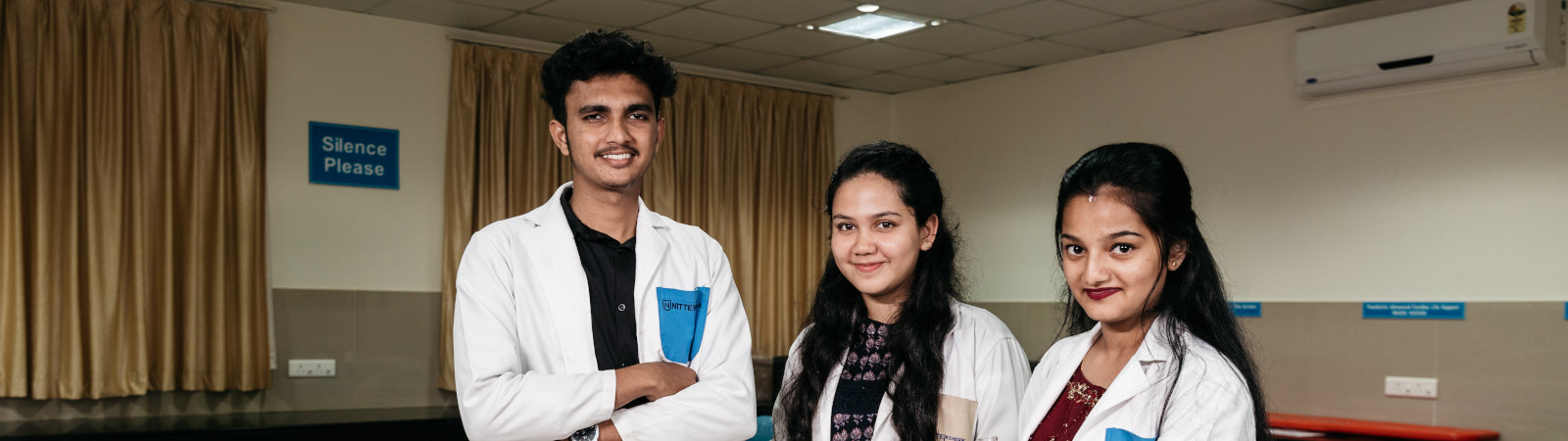
Department of Physiology
The Department of Physiology provides comprehensive teaching, training, and research in alignment with the National Medical Commission (NMC) Competency-Based Medical Education (CBME) curriculum. It caters to undergraduate students of MBBS, BDS, Physiotherapy, Nursing, and Allied Health Sciences programs, including Biomedical Sciences, Medical Laboratory Technology, Medical Imaging Technology, Anesthesia& Operation Theatre Technology, Renal Dialysis Technology, and Radiation Therapy Technology. The department also offers MD (Physiology) and Ph.D. programs.
The department is well-equipped with modern infrastructure to support competency-based training. It houses specialized laboratories including Clinical Physiology, Hematology, Human Physiology, Amphibian and Mammalian Physiology, and a dedicated Research Laboratory. The Clinical Physiology Laboratory plays a pivotal role in implementing the CBME curriculum by providing a structured, skills-oriented environment for early clinical training. It facilitates the acquisition of core clinical competencies through hands-on sessions in basic clinical examination, including general physical examination, vital signs assessment, and systemic examination. These sessions are aligned with defined competencies, enabling students to integrate physiological principles with clinical application from the early phases of training.
The Hematology Laboratory provides hands-on training in various hematological tests. The Human Physiology Laboratory is equipped with 10 digital data-acquisition systems for conducting pulmonary function tests, autonomic function tests, muscle fatigue studies, and neurophysiological studies. The Clinical Physiology Laboratory facilitates training in basic clinical examination skills and Basic Life Support (BLS). At the same time, Amphibian and Mammalian laboratories support both conventional and simulation-based experiments in accordance with ethical standards.
In addition, the department offers a robust teaching-learning environment with demonstration rooms, a seminar hall, and a departmental library. Teaching methodologies are aligned with CBME and include Small Group Discussions, Early Clinical Exposure, Simulation-based learning, and Self-Directed Learning supported by an e-learning platform. The training is reinforced through skill stations, checklists, and Objective Structured Practical Examination (OSPE) formats, ensuring competency attainment, documentation in logbooks, and readiness for real-life clinical scenarios, as mandated by the NMC CBME guidelines. Assessment methods include formative and summative evaluations, OSPE, and competency-based logbook tracking.
The department is actively engaged in research, encouraging undergraduate, postgraduate, and doctoral scholars to undertake innovative studies. The department emphasizes research aligned with current health priorities, with focus areas including cardiorespiratory physiology, neurophysiology, exercise physiology, autonomic function, and clinical physiology, as well as emerging domains relevant to lifestyle disorders and aging. The department actively promotes publications in indexed journals, presentations at national and international conferences, and participation in funded research initiatives. Overall, the department fosters academic excellence and advances research in the physiological sciences.
For any information regarding the admissions,mail us at: info@nitte.edu.in

Faculty
Dr. SUDHINDRA RAO M
- Designation Professor & Head
- Email sudhi78_dr@nitte.edu.in
- Joining date -
- Graduation:B.E in E&C from NIE, Mysore, India, 1986 -(FCD)
- Post-Graduation:M.Tech in CSE from MIT, Manipal, India, 1990-(FCD)
- Ph.D in CSE from University of Mysore, India, 2002
- Area of Research:CAD for VLSI - Topic: Design of Algorithms for optimum area utilization in VLSI ASICS
- Lecturer In Manipal Institute Of Technology for 6 Years
- Reader In Manipal Institute Of Technology for 3 Years
- Professor In NMAMIT for 7 Years
- Professor & Head Of Department of CSE and Dean(Academics) for 9 Years
- Professor From 2012-Till Date In NMAMIT
- Algorithm design for VLSI CAD, Multi core architecture and Program
- Optimization, Ad-hoc Networks, E-learning, Advanced Microprocessors
- Management responsibilities as Head of the Department of CSE
- Examiner for V.T.University Belagavi, Mangalore, Bangalore, Kuvempu, Kannur and Goa Universities
- Life Member of ISTE (LM816 )
- Senior Member of IEEE (01492834)
- Senior Member of CSI (F8000642)
- Fellow of IE(India)
- Logic Design
- Design and Analysis of Algorithms
- Finite Automata & formal Languages
- Computer Organization & Architecture
- Systems Programming
- RDBMS
- Microprocessors & Peripherals
- Principles of Programming Languages
- Compiler Design,
- Computer Graphics
- VLSI Design
- C# Programming & .NET Concepts
- Embedded and Real Time Systems
- Cryptography and Network Security
- MIS
- CAD for VLSI
- System simulation and Modelling.
Conference/Journal publications
- Developed "Computer Graphics Laboratory" at Manipal Institute Technology, Manipal, India in March 1988
- Reviewer for the Proceedings of IEEE Conference on "VLSI Design" since 2002.
- Chair of Programme Committee, National Conference on "Distributed Computing" , NMAMIT, Nitte India, 2004
- Coordinator for FIVE ISTE sponsored Short Term Training Programs
- Set up "Data Mining Laboratory" at NMAM Institute of Technology, Nitte during January 2006
- Chair of Organizing Committee , National Conference on "Ubiquitous & Pervasive Computing" , NMAMIT, Nitte, India, 24-25 January 2007
- So far, guided 42 BE level projects and 17 M.Tech. level projects
- President of Rotary Club of Nitte during 2006-07
- Consultant for a Patent Search organization :EntellectLLP.com
- Applied for an Indian Patent, based on research work (application no.: 428/CHE/2008)
- Applied for US Provisional Patent in April 2010 for the research work on "New Architecture for Network on chip (NoC) systems" (Application Number:61/395,480 dated 14/5/2010)
- Received AICTE travel grant for attending the conference at Shanghai, China
- Was Chairman of BOE (Board of Examination)-Computer Science at Mangalore University during 1997-98. Was member of BOE-Computer Science of Visvesvaraya Technological University ,Belgaum during 2004-05.
- BOS and BOE Chairman of NMAMIT Nitte for Computer Science UG and PG programs under Autonomous Scheme.
- Board of Studies member of Computer Science at MIT, ManipalUniversity, NMIT Bangalore, SDMCE Dharwad, BVBCE Hubli, Bangalore, Dr.AIT Bangalore and St.Aloysius College Mangalore during 2007-08
- Governing Council Member of St.John Engg. College Bangalore, Academic Council Member of Dr.AIT Bangalore from 2013.
- President of Hockey India Udupi from July 2014
- Program Chair of 2016 IEEE Distributed Computing, VLSI, Electrical Circuits and Robotics (DISCOVER) Conference, 13-14 August 2016, NITK, Surathkal
Research Thrust Areas
- Autonomic Neurosciences
- Biological Ageing
- Psychophysiology
- Medical Education
- Cognitive function Studies
The Department of Physiology at KSHEMA is a vibrant hub for research, with key thrust areas in Exercise physiology, Evoked potentials, Muscle physiology, Neurophysiology, Cardiovascular Autonomic function, Pulmonary Function and Medical Education. It is supported by advanced laboratory infrastructure, including a multi-channel digital data acquisition system that enables detailed neurophysiological assessments such as EEG, EMG, Nerve Conduction Studies, Evoked potentials, and Cardiovascular autonomic function testing. The department also provides specialized facilities for psychophysiological research, including electrodermal activity/sympathetic skin response recording and stimulus presentation systems. Additional equipment for exercise and muscle physiology assessments further strengthens its research capabilities. Through active collaboration with clinical departments, the department promotes translational research. With ongoing intramural and extramural funded projects and publications in indexed journals, it continues to make significant contributions to research.
List of related Research Projects (In last Five years)
Ongoing Research projects| Student | Year | STS Reference | Project Title | Guide | Department |
| S. Sivanesan | 1st Year | STS2026-21750 | Association of heart rate variability and pulmonary function with sleep quality and cognitive performance in anemic young adults | Dr. Preethi Hegde | Physiology |
| Dikshita Prathap | 2nd Year | STS2026-23724 | Association of screen time with visual evoked potentials, digital eye strain, and serum malondialdehyde levels among medical students | Dr. Aishwarya P. | Physiology |
| Kushi Rekha | 2nd Year | STS2026-22247 | Comparison of olfactory memory and visual memory among older adults | Dr. Shailaja Moodithaya | Physiology |
| Sl.No | Title of the Project | Funding agency |
| Dr. Ashwini | ||
| 1 | Evaluation of the efficacy of myogenic microRNAs in type 2 diabetics with sarcopenia | Ph D Research |
| 2 | Safety and feasibility of balloon dilatation across the mechanical heart valves- an invitro study | Ph D Research |
| 3 | Association of Circulating Mitochondrial-Related Myokines with Muscle Mass, Strength, Physical Performance, and Cognitive Function | NUFR |
| 4 | Association of electrophysiological, biochemical markers of auditory and visual aging with serum vitamin a levels across age groups | MD thesis |
| 5 | Association of cardiorespiratory fitness, and pulmonary function with serum vitamin D levels among young adults | MD thesis |
| 6 | Association between cardiometabolic risk factors and pulmonary function in young adults | MD thesis |
| 7 | To explore the Neurocognitive Impact of Musical Key Signatures on Visuospatial Working Memory and Information Retention | ICMR STS 2024 |
| 8 | To compare the Electrocardiographic changes in Acute Myocardial Infarction among Diabetic patients before and after thrombolytic therapy | NUSR |
| Dr.Aiswarya P | ||
| 1 |
Evaluation Of The Efficacy Of Myogenic Micrornas In Type 2 Diabetics With Sarcopenia Identifying a Biomarker Panel for Diabetic Sarcopenia Based on their Differential Expression after Resistance Training
|
RSSDI FUNDED EXTERNAL PROJECT |
| 2 |
The study of MicroRNA Expression Profiles as Diagnostic Biomarkers for Sarcopenia in South Asian Populations: Impact of Resistance Training
|
NITTE university funded |
| Dr.Preethi Hegde | ||
| 1 | Exploration of Neuroprotective effect of Astaxanthin on Motor Behavior by Modulation of Gut Microbiota in Stroke Induced Rats- A pilot Study, Funded by | Nitte (Deemed to be University) |
| 2 | EEG-based study of brain activity and cognitive function in centrally obese young adults with a family history of diabetes. Funded by | ICMR STS STS2025-11800 |
| 3 | valuating the Impact of obesity on nerve conduction, Electromyography, and salivary cortisol levels to decode the neurophysiological and biochemical interplay | ICMR STS |
| Dr.Shailaja Moodithaya | ||
| 1 | Immunosenescence Markers in Young Adults with and Without Pre-diabetes: A cross sectional analytical study | NUFR 2 |
| 2 | Role of Vitamin-D status on Phenotypic and Epigenetic Biological Aging-markers among Middle-aged Adults | PhD thesis |
Completed Research projects in the Department
| Sl.No | Title of the Project | Funding agency |
| 1 | The attitude, Compliance of preventive measures and psychological implications of evolving risk of coronavirus disease 2019 among elderly population- | NUSR |
| 2 | Evaluation of association between duration of sleep and cardiac autonomic function among young adults by assessment of heart rate variability - A cross sectional study | NUSR |
| 3 | Association between duration of Sleep and Blood Pressure Responses to Isometric Handgrip Test among healthy adults- | ICMR STS 2020 |
| 4 | Evaluation of association between motor imagery ability and cardiac autonomic function among trained classical dancers by assessment of heart rate variability. | NUFR |
| 5 | Association between Hemoglobin status and Blood Pressure Responses to Isometric Handgrip Test among young females- | ICMR STS-2018 |
| 6 |
Association of Maternal Psychological Stress with changes in Insulin Resistance during Antenatal and Postnatal period |
PhD thesis |
| 7 | Impact of Smartphone technology usage related habits on attention span among young adults | NUFR |
| 8 | Influence of dietary fibre consumption on severity of premenstrual symptoms, primary dysmenorrhoea among young adults - A cross sectional study- | ICMR-STS 2017 |
| 9 | Evaluation of Cardio-metabolic, Inflammatory, and Molecular Biomarkers of Ageing among Middle-Aged Adults with and without Vitamin D Deficiency |
PhD thesis |
| 10 | Evaluation of Cardio-Metabolic Risk Factors in relation to Serum Vitamin D Levels: A Cross-Sectional Study. | NUFR2 |
| 11 | Effectiveness of Slime and Fidget Spinner Toys in Relieving Acute Stress as Measured by Heart Rate Variability in Young Adults | ICMR-STS |
| 12 | Age of menarche in relation to exogenous factors among rural and urban school-going girls (ICMR_STS) | ICMR-STS |
| 13 | Cardiac, Sudomotor and Biochemical Autonomic Indices in Children with Autism Spectrum Disorders – A Case- Control Study (PhD thesis) | PhD thesis |
| 14 | Electrophysiological and biochemical indicators in Autism spectrum disorders.” | (ICMR-DHR funded) |
| 15 | Evaluation of Sympathetic Sudomotor Activity in perimenopausal Women with and without Symptoms (ICMR-STS) | ICMR-STS |
| 16 | Anti-aging role of Curcumin by modulating the inflammatory markers, reproductive markers in albino Wistar rats | NUFR2 |
| 17 | An Evaluation of Physiological, Biochemical and Cellular Indices of Ageing among Patients with Type 2 Diabetes Mellitus | PhD thesis |
| 18 |
Comparative and synergistic Radioprotective Effects of Cocos nucifera water and Trans-Zeatin on Electron Beam Irradiated Swiss Albino Mice |
BRNS funded |
| 19 |
Novel dietary approach for foetal programming of major chronic disorders in adult life using albin wistar rats- a prospective case control study |
ICMR |
| 20 | Development and validation of radiommunoassay for the invitro quantitative estimation of melatonin in human serum sample | BRNS |
| 21 | To investigate the ameliorative effect of lutein against electron beam radiation-induced oxidative stress in vitro and in vivo | BRNS |
| 22 |
“Investigation of predictive markers of pulmonary fibrosis in COVID-19 patients” |
NUFR |
| 23 |
Impact of obesity on airway resistance and airway conductance in adult obese population |
NUFR |
| 24 | The attitude, Compliance of preventive measures and psychologicalimplications of evolving risk of coronavirus disease 2019 among elderly population” | NUFR |
Clinical Trials: CTRI/2025/04/084645.Identifying a Biomarker Panel for Diabetic Sarcopenia Based on their Differential Expression after Resistance Training, RSSDI , 11-04-2025.
Number of Student short term projects funded by ICMR in last five years-13
Ph.D. Program
- Number of Ph.D. awarded - 06
- Number of students pursuing Ph.D- 02
Copyrights /Patent
- Copyright titled" Trans-zeatin: A Novel Mitigating Agent Against Electron Beam Radiation-induced Biological Damage" on 20-03-2025
- A COMPOSITION AND A METHOD FOR PREPARING AN ORAL GUT REVITAL SOLUTION (OGRS) Application No.202541024571 A, Publication Date : 28/03/2025
- Copyright titled” Micro-rna mediated regulation of sirtin and vitamin D receptor expression accelerated early onset of ageing Copyright L-143216/2024” on 09-02-2024
Achievements
- Dr. Damodara Gowda obtained in depth training on molecular techniques at Dr. Zhou’s lab, COP, University of Florida, USA
- Dr. Damodara Gowda received best Research Paper Award, Nitte (Deemed to be University), 2019
- Dr. Damodara Gowda received Best Paper Award, International Conference on Radiation Biology, 2018
- Dr. Damodara Gowda, presented research paper entitled “Role of Maternal Astaxanthin Supplementation on Brain Derived Neurotrophic Factor and Spatial Learning Behavior in Wistar Rat Offspring’s” in the international conference conducted by the Malaysian Society of Pharmacology and Physiology at University Sains Malaysia, Kota Bharu, between Aug 18-19th 2017
- Dr. Shailaja Moodithaya Awarded partial travel grant for the participation of 15th Australasian Menopause Society Congress at Brisbane, Australia, held on 9th to 11th 2011
- Dr. Shailaja Moodithaya Awarded Observership at Sensory Integration Lab, College of Health Professions Thomas Jefferson University, Philadelphia, Pennsylvania USA
- Dr. Harsha H N Presented a paper entitled “A language-independent fMRI paradigm of prospective memory activates the bilateral rostral prefrontal cortices in healthy subjects” at the Annual Meeting of Society for Neuroscience – 2010 held between 13th Nov to 17th Nov at San Diego, USA. Paper was selected for the SfN Graduate Travel Award for the year 2010
Dr. ASHWINI
- Designation Professor & Head
- Email prasadsahwini2@nitte.edu.in
- Joining date
MBBS, MD, PhD
Women health research Psychological stress research
Awarded with Ph D 2021
Publications:
- Kishan, A., Ullal, N.A. Evaluation of cardiovascular responses to isometric handgrip exercise: A risk stratification tool in diabetic patients with iron-deficiency anemia. Int J Diabetes Dev Ctries (2025). https://doi.org/10.1007/s13410-025-01572-0
- Ashwini, Moodithaya S, Shetty PK. Evaluation of an association between maternal prenatal psychological stress and insulin resistance during pregnancy and postpartum. Indian J Physiol Pharmacol 2023. 67(2);105-12.
- Kishan Prasad H.L, Dasan NM, Kishan A. Lipid profile in patients with leiomyoma-A case-control study Biomedicine: 2023; 43(3): 1005-7
- Ullal NA, Sathis B, Ashwini. Periodic reinforcement of knowledge and attitude towards basic life support skills among the medical undergraduates: A necessity of undergraduate medical education. Biomedicine 2022; 42(2): 333-7.
- Ashwini, Moodithaya S, Shetty PK, Bhat S. Evaluation of role of maternal antenatal cardiac autonomic and biochemical stress markers in prediction of psychological stress levels during postpartum period. Curr Psychol (2021). https://doi.org/10.1007/s12144-021-02175-8
- Participated in the Professional Development Programme on “MOOC – Design, Delivery & Evaluation” Conducted by Nitte (Deemed to be University), Mangalore, in association with National Institute of Technical Teachers Training and Research, Chennai from 13.05.2024 to 18.05.2024
- Attended BMSeCON 2023 4th International e-conference on “ Beyond Boundaries : Exploring excellence in Basic Medical Sciences” organized by department of Anatomy, Physiology, Biochemistry and center for biomedical research, AVMCH, Puducherry from 13th to 15th December 2023
- Attended International conference on Radiation Biology “Radiation effects -a Physiological Perspective” organized by K S Hegde Medical Academy, Nitte University, Mangalore held on 23rd Nov to 25th November 2023
- Attended the IJCSP- 2023, Indo-Japan International Conference on Future health Strategy by Transdisciplinary Approach during 13th to 15th February 2023.
- Attended the RAMSIECON-2021 Recent Advances in Medical Sciences International E-Conference conducted by Department of Physiology from 1st to 3rd July 2021 at Yenepoya Medical College, Mangalore, Karnataka, India.
Physiology
- Association of Maternal Psychological Stress with changes in Insulin Resistance during Antenatal and Postnatal period (self-funded)rnInvestigators: Dr Ashwini, Dr Shailaja S Moodithaya, Dr Prasanna Kumar Shetty
- The attitude, Compliance of preventive measures and psychological implications of evolving risk of coronavirus disease 2019 among elderly population (Nitte University)rnInvestigators: Dr Pooja Nayak, Dr Ashwini
- Association between Hemoglobin status and Blood Pressure Responses to Isometric Handgrip Test among young females (ICMR-STS-2018)rn
- Influence of dietary fiber consumption on the severity of premenstrual symptoms, primary dysmenorrhoea among young adults - A cross sectional study (ICMR-STS-2017)
Dr. HARSHA H.N.
- Designation Professor
- Email harsha@nitte.edu.in
- Joining date 13-09-2004
MBBS, MD, PhD
- John, J. P., Parekh, P., Halahalli, H. N., Menon, S., & Kutty, B. M. (2017). Auditory Verbal Hallucinations in Schizophrenia: A Model for Aberrant Self-consciousness. In Self, Culture and Consciousness (pp. 123-149). Springer, Singapore
- Shastry, N., Mirajkar, A. M., Moodithaya, S. S., & Halahalli, H. N. (2017). Resting heart rate variability and cardiorespiratory fitness in healthy young adults. Indian Journal of Medical Specialities, 8(1), 17-20
- Halahalli, H. N., John, J. P., Lukose, A., Jain, S., & Kutty, B. M. (2015). Endogenous-cue prospective memory involving incremental updating of working memory: an fMRI study. Brain Structure and Function, 220(6), 3611-3626
- Vijayakumari, A. A., John, J. P., Halahalli, H. N., Paul, P., Thirunavukkarasu, P., Purushottam, M., & Jain, S. (2015). Effect of polymorphisms of three genes mediating monoamine signaling on brain morphometry in schizophrenia and healthy subjects. Clinical Psychopharmacology and Neuroscience, 13(1), 68
- Shakeel, M. K., Halahalli, H. N., Kumar, K., Jain, S., & John, J. P. (2014). Utility of a computerized, paced semantic verbal fluency paradigm in differentiating schizophrenia and healthy subjects. Asian journal of psychiatry, 7, 22-27.
Physiology
Director, Curriculum Development, NitteDU; IQAC Coordinator, NitteDU
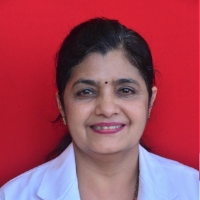
Dr. Shailaja S Moodithaya
- Designation Professor
- Email Shailaja.moodithaya@nitte.edu.in
- Joining date 15-10-1998
M.Sc, Ph.D
Autonomic neuroscience, Ageing biology
Awarded partial travel grant for the participation of 15th Australasian Menopause Society Congress at Brisbane, Australia, held on 9th to 11th September 2011
- 4th APPICON held between 29th Nov to 1st Dec, 2018, at KMC,Manipal titled ' Oxidative Stress And Cellular Aging Biomarkers in Diabetes Mellitus Patients with and Without Insulin Therapy'
- 2nd International Conference on Aging and Gerontology held at San Diego, USA, on June 26-28, 2017, titled "Association of Tightness of Glycemic Control with Biomarkers of Ageing in Healthy and Diabetic Subjects"
Publications
- Dhar P, Bhandary P, Moodithaya S. Influence of Serum Vitamin D on Age‐Related Physiological Changes: A Cross‐Sectional Study in Middle‐Aged Adults. Comprehensive Physiology. 2025 Oct;15(5):e70047.
- Sumit K, Moodithaya S; Adiga U; Desy TM; HonnaliNM ; Dhar P. Evaluation of SIRT1 as a Potential Biomarker of Aging Among Middle-Aged Individuals with Altered Serum Vitamin D Status. Research Journal of Pharmacy and Technology, RJPT 2025, vol. 18, issue (12)5663-8.doi;10.52711/0974-360X.2025.00818.
- Sumit K, Dhar P, Bijoor SN, Elizabeth G, Moodithaya SS. Vitamins and Minerals:Telomere length: An Integrative Approach. Journal of Chemical Health Risks. 2025 February 15;01:669-676.
- Dhar P, Moodithaya S, Patil P, Adithi K. A hypothesis: MiRNA‐124 mediated regulation of sirtuin 1 and vitamin D receptor gene expression accelerates aging. Aging Medicine. 2024 Jun;7(3):320-7.
- Vishakh R, Shailaja S Moodithaya, Vidya V, Ganesh Sanjeev, Suchetha Kumari N. Evaluating the DNA damage protecting activity of Tender Coconut Water in Swiss albino mice exposed to ionizing radiation. Research Journal of Pharmacy and Technology. 2024; 17(11):5286-0. doi: 10.52711/0974-360X.2024.00809
- Oral presentation “5th Edition of International Public Health Conference” held on March 19-21, 2026
- Participated in the IJCSP-2023 Pre-Conference Workshop on 13th February 2023 conducted by the Dept. of Physiology, KS Hegde Medical Academy, Nitte (Deemed to be University) in collaboration with DST, Govt. of India and University of Miyazaki, Japan. 13-02-2023 to 15-02-2023
- Participated in the ICRB-2023 Pre-Conference Workshop conducted by the Dept. of Physiology, KS Hegde Medical Academy, Nitte (Deemed to be University)23-11-2023
- ETHOS 5.0 conference K S Hegde Medical Academy, Nitte(DU), Mangalore, India11-11-2022
- Virtual international conference on “ Experiments in Gender Mainstreaming :India and Canada organized by Mangalore university 16-03-2021 to 17-03-2021
Physiology
- Grant of Rs. 12,50,000/- has been sectioned for a project entitled " Select electrophysiological and biochemical indicators in Autism spectrum disorders" Department of Health Research.ICMR-DHR -2016
- Grant of Rs. 14,55,000/- has been sanctioned for the project titled "Comparative and synergistic Radioprotective Effects of Cocos nucifera water and Trans-Zeatin on Electron Beam Irradiated Swiss Albino Mice". This project is funded by Board of Research in Nuclear Sciences (BRNS), Department of Atomic Energy (DAE) Government of India.-2012

Dr. Neetha Shastry
- Designation Professor
- Email drneetha.shastry@nitte.edu.in
- Joining date 16-02-2026
MBBS, MD
Autonomic function tests, Medical Education
FAIMER
- Neetha Shastry, Nicole Periera, Cleeta Rebeiro, Hemalatha Bangera, Praseena Kallingal. Comparative Effects of Intermittent and Continuous Energy Re-striction on Metabolic and Cognitive Functions in Menopausal Rodent Models. Journal of Chemical Health Risks(JCHR); JCHR (2025) 15(5), 2102-2112| ISSN:2251-6727
- Shastry N, Ullal NA, Thattil AM, Maitreyee DS, Bangera SR, Mahmood LS. Faculty perceptions of the efficacy, benefits and challenges of simulation-based early clinical exposure for medical students in India: A qualitative study. Indian J Physiol Pharmacol. 2024;68:350-4. doi: 10.25259/IJPP_537_2023. https://share.google/yjkL4chsokfk2bmaM
- Shivashankara A R, Archana Bhat, Nagesh K R, Maitreyee D S, Neetha Shas-try, Hilda Fernandes. Effectiveness of a Faculty Development Programme on Essential Teaching Skills for Allied Health Sciences Educators. RGUHS Jour-nal of Allied Health Sciences. 2024;4(3):1-6
- L Vishnu, Shastry N*, Kishan A. Cardiac autonomic modulation in response to stress in normotensive young adults with parental history of hypertension. J Basic Clin Physiol Pharmacol. 2019 Nov 22;31(2) https://share.google/dGDIG8HpB1SDjNwZn
- Ashwini Kishan, Neetha Shastry, Shailaja S Moodithaya, Amrit M Mirajkar, Prasanna Kumar Shetty. Diminished Vagal Tone and Enhanced Sympathetic Drive During Third Trimester of Gestation Among Healthy Women – A Cross-Sectional Study. Indian J Physiol Pharmacol 2018; 62(4). https://share.google/eF2meYqZ0wLHczWKW
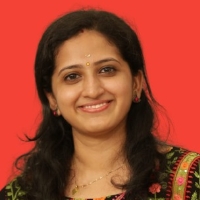
Dr. AISWARYA P
- Designation Assistant Professor
- Email draiswarya.p@nitte.edu.in
- Joining date 14-10-2022
MBBS, MD
Muscle physiology. exercise physiology, sarcopenia
Research Publications:
- Aiswarya P, NR VG, Sreedhish K, Koshy C. Correlation of body mass index and left ventricular mass index among adult hypertensives attending tertiary care center.
- Bibi DC, P DA, S DM. Cognitive Impairment in Chronic Obstructive Pulmonary Disease:A Cross-Sectional Study at A Tertiary Care Centre. Afr J Biomed Res. 2024 Sep 7;27(3):26–35. doi:10.53555/8ay17073
- Attended International conference on Radiation Biology “Radiation effects -a Physiological Perspective” organized by K S Hegde Medical Academy, Nitte University, Mangalore held on 23rd Nov to 25th November 2023
- Attended and presented paper in GERICON (Nov 2025)
- Attended the IJCSP- 2023, Indo-Japan International Conference on Future health Strategy by Transdisciplinary Approach during 13th to 15th February 2023.
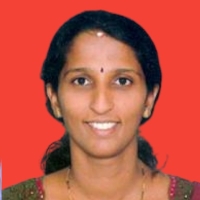
Dr. PREETHI HEGDE
- Designation Assistant Professor
- Email drpreethi.hegde@nitte.edu.in
- Joining date
MSc., MPhil., PhD
Neuroscience
- Dr. R.N. Moorty award for securing highest marks in M.Phil. in Neurophysiology, 2007
- Dr. B K Anand Research Prize for the year 2008, for the best research paper in APPICON 2008
- FOANS-2010 Overseas Travel Fellowship Award and IBRO Alumini best poster prize, IBRO,2010
Research Publications :
- Preethi Hegde, Kulvaibhav Singh, Sneehe Chaplot, Sumantra Chattarji, BSS Rao, Bindu M Kutty and Laxmi T Rao; Stress-induced changes in sleep and associated neuronal activity in rat hippocampus and amygdala. Neuroscience 153 (2008) 20– 30
- Preethi Hegde, Jayakrishnan H.R., Sumantra Chattarji, Bindu M Kutty, and TR Laxmi, Chronic Stress-Induced Changes in REM Sleep on Theta Oscillations in the Rat Hippocampus and Amygdala, Brain Res. 382 (2011) 155-164.
- Society for Neuroscience 2009, presented a poster entitled “The effects of enriched environment on contextual fear learning and extinction.” Session number 880 (Oct17-21, 1-5pm, 2009).
- . Third NBRC International Conference, National Brain Research Centre, Manesar, Haryana. Presented a poster entitled “Effect of Acute Immobiliztion Stress on the neuronal activities of the Hippocampus and Amygdala during Sleep-Wakefulness Cycle in Rats”. (December 13-15, 2006).
- Third National Conference of Indian Society for Sleep Research (ISSR 2007), NIMHANS, Bangalore. Presented paper entitled “Sleep associated changes in the amygdalohippocampal circuit following exposure to acute immobilization stress in male Wistar rats.” (December 16, 2007).
- 54th National Conference of APPI, APPICON Presented paper entitled “Stress induced changes in sleep and associated changes in the amygdalohippocampal circuit in male Wistar rats.” (December 27-30, 2008).
- i5th Congress of FOANS and 28th Meeting of Indian Academy of Neurosciences presented a poster entitled “Timing of environmental enrichment exposure affects extinction of fear memory in rats” (Nov25-28, 2010).
DR. ARYA S
- Designation Assistant Professor
- Email drarya.s@nitte.edu.in
- Joining date 01-09-2023
MBBS, MD
Clinical Physiology
Research Publications :
- S, Dr Arya, Dr Chitra Kuriakose, and Dr Aswathy V. A. 2024. “Nerve Conduction Studies in Diabetic Polyneuropathy: A Comparative Analysis of Asymptomatic and Symptomatic Patients.” African Journal of Biomedical Research 27(3):444–50. doi:10.53555/AJBR.v27i3.2170.
- International Conference of Radiation Biology at K.S.Hegde Medical Academy (Nov 2023)
- N-Vision International Conference at K .S.Hegde Medical Academy (April 2024)

Dr. Remya Bharath
- Designation Assistant Professor
- Email drremya.bharath@nitte.edu.in
- Joining date 01-09-2025
MSc, PhD
Autonomic Function testing & Electrophysiology
Won Best research paper award for oral presentation titled “Cardiac Autonomic and Biochemical Stress Indices in Children with Autism Spectrum Disorder” in Skill Educon 2.0 held on September, 2024 at Father Muller Medical College, Mangalore.
Bharath R, Moodithaya SS, Halahalli H, Undaru SB, Nallilu SK, Mirajkar AM. Evaluation of sympathetic sudomotor responses to auditory stimuli in children with autism spectrum disorders. Indian J Psychiatry. 2020 Oct;62(5):494-500.
- Atteded Skill Educon 2.0 held on September, 2024 at Father Muller Medical College, Mangalore.
- Attended the IJCSP- 2023, Indo-Japan International Conference on Future health Strategy by Transdisciplinary Approach during 13th to 15th February 2023.
- Attended IABMSCON – 2021 held on November 25th, 2021 in K. S. Hegde Medical Academy, Deralakatte.
- Attended APPICON, held on November 2018 in Manipal.
- Attended International Autism conference held on February 2018 in Mumbai

Dr.Hima M P
- Designation Senior Resident
- Email drhima.mp@nitte.edu.in
- Joining date 05-01-2026
MBBS, MD
Exercise Physiology and Cardiovascular Physiology
Secured 2nd rank in MD Physiology examination under Rajiv Gandhi University of Health Sciences (RGUHS), Bangalore, Karnataka.
Hima MP, Narasimha Rai K, Sanjay Bhagoji RK, Suhas YS. Comparative Analysis of Cardiopulmonary Fitness in Women from Madikeri: Evaluating the Effectiveness of the Young Men’s Christian Association 3-Minute Step Test Versus the Treadmill Bruce Protocol. European Journal of Cardiovascular Medicine. 2025 Feb 26;15:543-7.
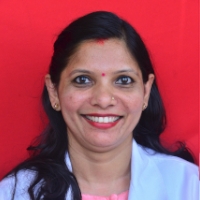
Dr. VIJAYALAXMI B.M.
- Designation Senior Resident
- Email Vijirajbm1998@nitte.edu.in
- Joining date 16-10-2008
MSc, PhD
Genetic, Reproductive Physiology, Lifestyle Dissorders
Research Publications :
- Vijayalaxmi BM, Manjeera L, Hegde P, D’Souza PS, D’Souza N, Shetty PK. Association of vitamin D deficiency with demographic, metabolic and sex hormone levels in polycystic ovarian syndrome. Biomedicine. 2023;43(6):1727-32.
- Vijayalaxmi BM, Gowda DK, Ullal H. Nutritional enrichment with curcumin during perinatal period alleviates metabolic disorders in the adult life. Research Journal of Pharmacy and Technology. 2021; 14(12):6681-6.
- Vijayalaxmi BM, Lakshmi Manjeera, SuchethaKumari , Prasanna Kumar Association between Vitamin-D with Metabolic Parameters in Polycystic Ovarian Syndrome Research Journal of Pharmaceutical, Biological and Chemical Sciences. 2020; 11(5), 134-138
- Vijayalaxmi B.M., A.P.Krishna and Dr. Shrikanth L. Patil Evaluation and comparison of lifestyle and fitness among software and Non-Software Professionals. European journal of pharmaceutical and medical research2017,4(11)
- Oral presentation International Conference of Radiation Biology at K.S.Hegde Medical Academy (Nov 2023)
- Oral presentation Recent Advances in Medical Sciences International E-Conference Poster Presentation -RAMSICON 2021 on 01-7-21 to 3-7-21 Yenepoya medical college
- Oral presentation and attended conference of IJCSP-2023 on 13th-15 febraury 2023, at K.S.Hegde Medical Academy Deralakatte, Mangaluru.
- Oral presentation and attended42nd Annual conference of Indian Association of Biomedical Scientists “IABMSCON-2021” on 25th-27th November at NITTE (Deemed to be University).
Human Physiology

DR. SANKAR K R
- Designation Senior Resident
- Email .
- Joining date

MS. POULAMI DHAR
- Designation Tutor
- Email poulami.dhar@nitte.edu.in
- Joining date 01-08-2022
MSc (Medical Physiology)
Aging, Epigenetics, Immunohematology
- Dhar P, Bhandary P, Moodithaya S. Influence of Serum Vitamin D on Age‐Related Physiological Changes: A Cross‐Sectional Study in Middle‐Aged Adults. Comprehensive Physiology. 2025 Oct;15(5):e70047.
- Kumar S, Moodithaya S, Adiga U, Desy TM, Honnali NM, Dhar P. Evaluation of SIRT1 as a Potential Biomarker of Aging among Middle-Aged Individuals with Altered Serum Vitamin D Status. Research Journal of Pharmacy and Technology. 2025 Dec 1;18(12):5663-8.
- Dhar P, Moodithaya S, Patil P, Adithi K. A hypothesis: MiRNA‐124 mediated regulation of sirtuin 1 and vitamin D receptor gene expression accelerates aging. Aging Medicine. 2024 Jun;7(3):320-7
- Manjula SD, Poulami D, Vasanthalakshmi K. A cross-sectional survey of platelet transfusion practices from a tertiary care center. Biomedicine. 2023 May 4;43(02):664-7.
- Dhar P, Moodithaya SS, Patil P. Epigenetic alterations—The silent indicator for early aging and age‐associated health‐risks. Aging Medicine. 2022 Dec;5(4):287-93.
- Oral presentation in the IJCSP-2023 Pre-Conference Workshop on 13th February 2023 conducted by the Dept. of Physiology, KS Hegde Medical Academy, Nitte (Deemed to be University) in collaboration with DST, Govt. of India and University of Miyazaki, Japan.
- Oral presentation in the ICRB-2023 Pre-Conference Workshop conducted by the Dept. of Physiology, KS Hegde Medical Academy, Nitte (Deemed to be University)

Dr. AMRUTHA AITHAL
- Designation Tutor
- Email .amrutha.aithal@nitte.edu.in
- Joining date 08-01-2023
MBBS

Dr. Megha S
- Designation Tutor
- Email drmegha.s@nitte.edu.in
- Joining date 12-05-2025
MBBS
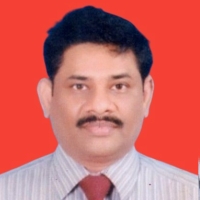
DR.CHETHAN KUMAR VM
- Designation Tutor
- Email .
- Joining date
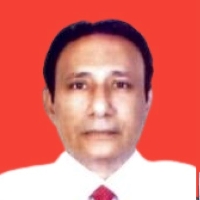
DR.PRASHANTH AMIN
- Designation Tutor
- Email .
- Joining date

Dr. Rammohan P
- Designation Tutor
- Email .
- Joining date 31-01-2025
MBBS
Evoked potentials ,Cardiovascular Physiology

Dr. Annu Joseph
- Designation Tutor
- Email .
- Joining date 10-02-2026
MBBS
Mitochondrial biology, Skeletal muscle physiology and Aging

Dr. Afsal Manujan
- Designation Tutor
- Email .
- Joining date 11-02-2026
MBBS
Exercise/Sports physiology and Medical education

Dr. Mahalakshmi PC
- Designation Tutor
- Email .
- Joining date 09-02-2026
MBBS
Electrophysiology
