

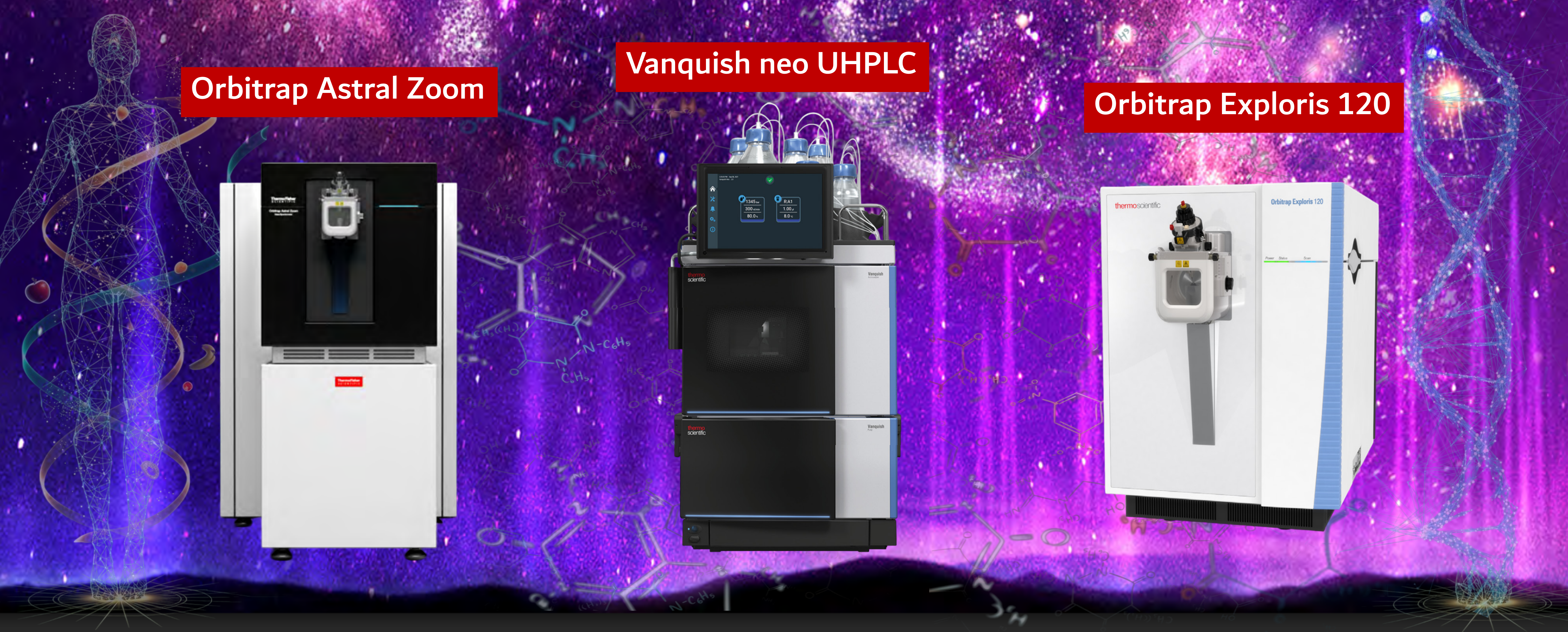
Center for Omics & Systems Medicine (C-OSM)
In a visionary and philanthropic stride toward shaping the future of scientific research and national development, the academic leadership of Nitte (Deemed to be University), under the guidance of Hon’ble Chancellor Shri N. Vinaya Hegde, proposes the establishment of a specialized, state-of-the-art facility dedicated to advanced multi-omics research.
The Center for Omics & Systems Medicine (C-OSM) will serve as a premier national hub for cutting-edge investigations in genomics, proteomics, metabolomics, interactomics, and systems-level biology across human diseases, livestock health, and medicinally and economically important plants.
By enabling the discovery, development, and validation of high-value biomarkers, diagnostics, therapeutic targets, and vaccine candidates, the center will accelerate translational research and foster innovation. Through strategic industry partnerships and robust Technology Transfer mechanisms, C-OSM aims to drive employment generation, stimulate biotech entrepreneurship, and contribute to sustainable national wealth creation—positioning Nitte (DU) as a leader in India’s next-generation omics and biotechnology ecosystem.
Vision:
To emerge as a global leader in integrative omics and systems medicine, driving discovery, innovation, and translation for precision health. By uniting cutting-edge technologies in genomics, proteomics, metabolomics, and advanced data science, the center will deepen the understanding of complex diseases and enable impactful clinical applications that advance human and societal well-being.
Mission:
Advance Multi-Omics Research:
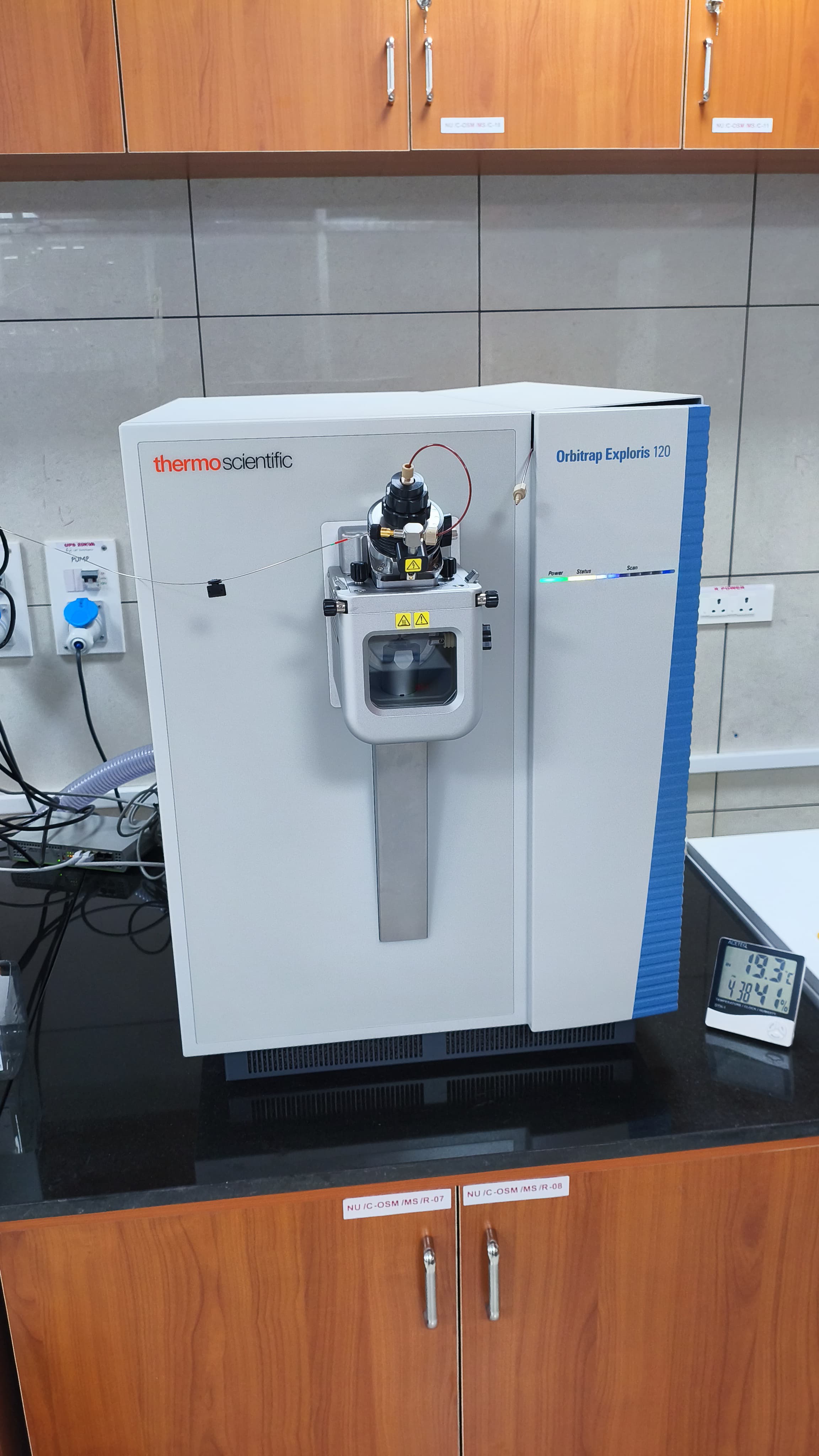
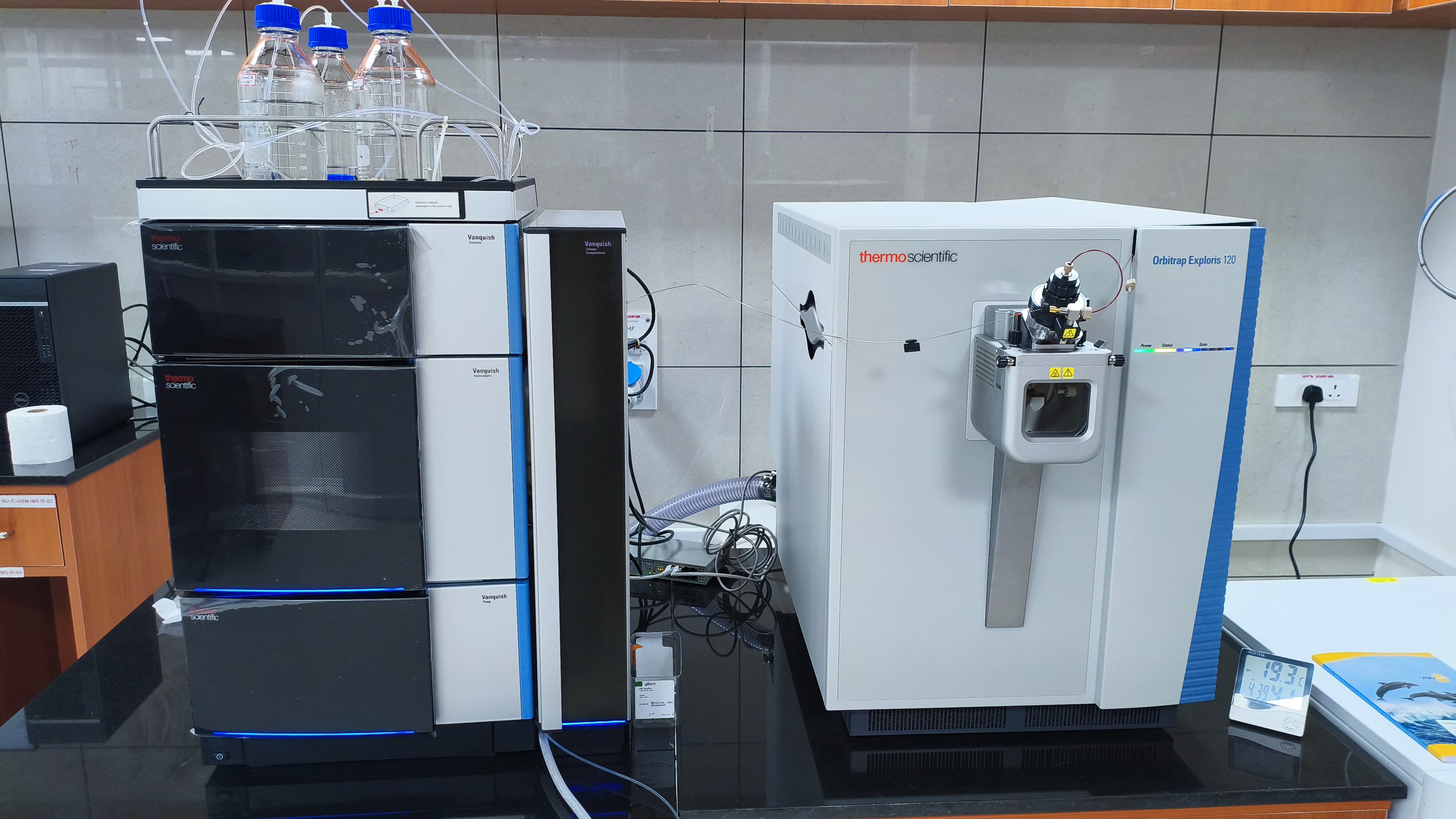
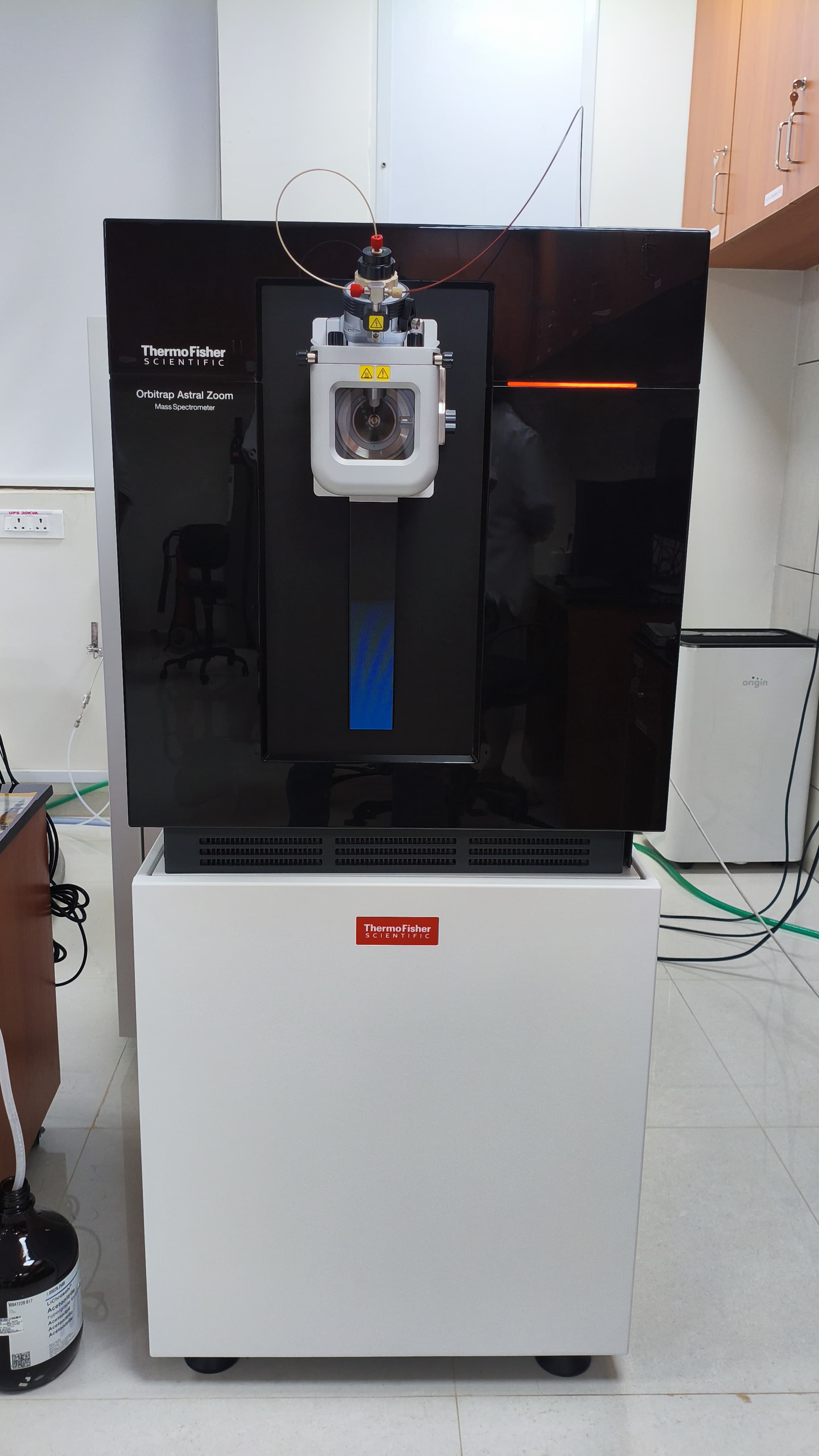
Establish next-generation platforms for proteogenomics, phosphoproteomics, metabolomics, and high-resolution mass spectrometry to unravel biological complexity at unprecedented depth.
Promote Systems Medicine:
Integrate multi-omics datasets with computational modelling, AI-driven analytics, and network biology approaches to derive systems-level insights into human health and disease.
Enable Translation & Innovation:
Discover, validate, and advance biomarkers, diagnostics, therapeutic targets, and vaccine candidates for major global health priorities-including cancer, infectious diseases, neurological disorders, and metabolic syndromes.
Build Capacity & Talent:
Train and nurture the next generation of scientists, clinicians, and data scientists through specialized academic programs, hands-on research, and global collaborative exposure.
Collaborate, Lead & Impact:
Forge strong partnerships with national and international academic institutions, industries, and healthcare organizations to create impactful translational pipelines and contribute to India’s innovation and biotechnology leadership.
Programs - Ph.D
The Center for Omics and Systems Medicine (C-OSM) offers opportunities for talented young researchers to pursue full-time research on current and impactful topics. Under the Faculty of Biological Sciences, selected candidates receive fellowship support from the University. In addition, research positions under ongoing funded projects are available, with the option to register for a Ph.D. as Junior Research Fellows.The Center aims to foster collaboration between biologists and clinicians while using advanced OMICs technologies to explore the molecular basis of human diseases, host-pathogen interactions, metabolism, therapeutic responses, drug targets including traditional medicines, and mechanisms of drug resistance. Our team includes experts in mass spectrometry, molecular biology, data science, programming, and clinical research, working together to advance the molecular understanding of biology. We are inviting applications from dedicated individuals to join as Junior Research Fellows, with the possibility to progress into Ph.D. programs at Nitte DU. Fellows will work on diverse biological research questions, including infectious diseases, cancer biology, large-scale data analysis, data integration, and biological databases. Research activities will involve genomic, proteomic, metabolomic, and molecular biology techniques to discover molecular mechanisms, signaling networks, and metabolic alterations, always with a focus on meaningful translational outcomes. Candidates with a Master’s degree in any Life Science or Chemistry discipline and a strong passion for research are encouraged to apply.
Faculty of Biological Sciences and For more about the Ph.D. program at NitteDU https://nitte.edu.in/phd.php
Faculty
C-OSM Publications
- Parate SS, Rehas R, Gupta S, George LS, Mahammad N, Unni A, TR S, Manuel S, Shaji V, Krishna SV A, George M. BC-Predict Database: A Curated Resource of Experimentally Validated Markers in Multidrug Resistance in Breast Cancer. bioRxiv. 2025:2025-10.
- Ramesh P, Upadhyay SS, Thomas SD, Sorake CJ, MK G, Shetty VV, Modi PK, Shetty R, Vijayakumar M, Codi JA, Prasad TS. Differentiating Gastric Cancers from Acid Peptic Diseases through Integrative Targeted Proteomics and Machine Learning Approaches. Journal of Proteome Research. 2025 Sep 17;24(10):5159-76.
- Upadhyay, S. S., Parate, S., D’Souza, U., Kurian, A., Biradar, S. Bhat, G., Sadananda, V., and Prasad, T. S. K. (2025). An integrative omics and network pharmacology approach to evaluate the anti-ulcer activity of _Bombax ceiba_ L. gum in rats. In press.
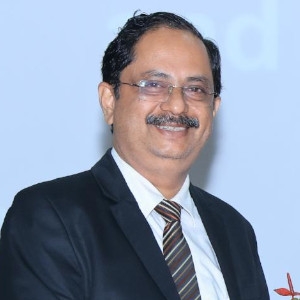
Dr. T. S. Keshava Prasad
- Designation Director, Center for Omics and Systems Medicine | Professor, Department of Biochemistry
- Email keshava.prasad@nitte.edu.in
- Joining date 29-09-2025
Dr. T. S. Keshava Prasad is an expert in proteomic, proteogenomic and metabolomic analysis. He has over 23 years of research experience in this area and published over 300 research articles in journals of international repute, including Nature, Nature Biotechnology, Nature Communications, Genome Research, Genome Biology, PNAS, Nucleic Acids Research, PLOS Pathogens, EMBO Reports, Journal of Cell Communication and Signaling, Molecular and Cellular Proteomics, Journal of Proteomics, Journal of Proteome Research, Proteomics, Scientific Reports, Clinical Proteomics, among others. He received theYoung Investigator Award from the DBT, Government of India, in 2007. Dr. Prasad has an H-index of 55 with a total citation of more than 20,015. His 215 articles have received a minimum citation of 10. Dr. Prasad has reached a cumulative impact factor of more than 1651.
Dr. Prasad is among the Top 2% of all 78,885 scientists of India, with a rank of #20 among a total of 1356 Molecular Biology & Genetics scientists as estimated by AD Scientific Index (https://www.adscientificindex.com/) for the year 2023.
• Ph.D. in Mycology, Goa University, India, 2004
• M.Sc. in Biosciences, Mangalore University, India, 1998
• M.Sc. in Biosciences, Mangalore University, India, 1998
Dr. Prasad, with a H-Index of 56, is ranked 73 in India in the 2023 Edition of Ranking of Top Scientists in the field of Biology and Biochemistry released by research.com recently at https://research.com/scientists-rankings/biology-and-biochemistry.
He led the efforts to develop the Human Protein Reference Database (http://www.hprd.org), which is cited in over 3,000 international publications. His two papers -“Human Protein Reference Database”article published in the year 2009 is ranked second and “A draft map of the human proteome” featured on the cover of Nature in 2014 is ranked sixth among the Top 10 Publications with Indian affiliation in the area of Biology and Biochemistry as evaluated by the Department of Science and Technology (DST), Government of India with the help of two independent international entities - Thomson Reuters and Elsevier and published in the “India's Research Landscape: Output, Collaboration and Comparative Performance - Bibliometric Studies" on February 17, 2016. He was also involved in the development of the Plasma Proteome Database (http://www.plasmaproteomedatabse.org), and the database of human signaling pathways – NetPath (http://www.netpath.org). Dr. Prasad is a very active Institution Builder. He has successfully established proteomics and bioinformatics facilities and research teams in three Institutes – i) Institute of Bioinformatics, Bangalore; ii) National Institute of Mental Health and Neurosciences (NIMHANS), Bangalore; and iii) Yenepoya (Deemed to be University), Mangalore. He also contributed immensely to establishing Multiomics facilities at DBT-National Institute of Immunology, New Delhi, and ICMR-Vector Control Research Center, Puducherry.rnDr. Prasad’s research group has increasingly focused on genomic, proteomic, and metabolomic approaches to investigate human diseases to discover novel biomarkers, therapeutic targets, and molecular networks involved in disease and recovery. He collaborated with many subject experts to apply multi-omic approaches to vector-borne diseases, acute febrile illness, cancers, and neurological diseases. He led work on proteomics of pathogens, human cell line models, tissues, and body fluids. While undertaking these studies, he contributed significantly to the draft map of the human proteome (featured on the cover of Nature), which led to the discovery of more than 200 novel human proteins and several corrections in the known genes. Dr. Prasad also led a most extensive proteome map of the human brain from 32 different regions of the human brain, which he plans to communicate to the Cell. He also developed the largest proteome map of 10 different parts of the human eye, which will be submitted to Nature Medicine.
He led the efforts to develop the Human Protein Reference Database (http://www.hprd.org), which is cited in over 3,000 international publications. His two papers -“Human Protein Reference Database”article published in the year 2009 is ranked second and “A draft map of the human proteome” featured on the cover of Nature in 2014 is ranked sixth among the Top 10 Publications with Indian affiliation in the area of Biology and Biochemistry as evaluated by the Department of Science and Technology (DST), Government of India with the help of two independent international entities - Thomson Reuters and Elsevier and published in the “India's Research Landscape: Output, Collaboration and Comparative Performance - Bibliometric Studies" on February 17, 2016. He was also involved in the development of the Plasma Proteome Database (http://www.plasmaproteomedatabse.org), and the database of human signaling pathways – NetPath (http://www.netpath.org). Dr. Prasad is a very active Institution Builder. He has successfully established proteomics and bioinformatics facilities and research teams in three Institutes – i) Institute of Bioinformatics, Bangalore; ii) National Institute of Mental Health and Neurosciences (NIMHANS), Bangalore; and iii) Yenepoya (Deemed to be University), Mangalore. He also contributed immensely to establishing Multiomics facilities at DBT-National Institute of Immunology, New Delhi, and ICMR-Vector Control Research Center, Puducherry.rnDr. Prasad’s research group has increasingly focused on genomic, proteomic, and metabolomic approaches to investigate human diseases to discover novel biomarkers, therapeutic targets, and molecular networks involved in disease and recovery. He collaborated with many subject experts to apply multi-omic approaches to vector-borne diseases, acute febrile illness, cancers, and neurological diseases. He led work on proteomics of pathogens, human cell line models, tissues, and body fluids. While undertaking these studies, he contributed significantly to the draft map of the human proteome (featured on the cover of Nature), which led to the discovery of more than 200 novel human proteins and several corrections in the known genes. Dr. Prasad also led a most extensive proteome map of the human brain from 32 different regions of the human brain, which he plans to communicate to the Cell. He also developed the largest proteome map of 10 different parts of the human eye, which will be submitted to Nature Medicine.
- Genomics, proteomics and bioinformatics
- Infectious diseases including tuberculosis and malaria
- Human signaling and metabolic pathways
- Development of biological databases
- Molecular targets of traditional medicines
- Young Investigator, Department of Biotechnology, Government of India
- Visiting Scientist at Boone Laboratory, Centre for Cellular and Biomolecular Research in University of Toronto, Canada
- HUPO Young Investigator, Paper selected for oral presentation at 13th Human Proteome Organization World Congress held at Madrid, Spain from October 5-8, 2014
- F1000 Travel Award from the Wellcome Trust to participate in "EMBO international conference of Molecular and Population Biology of Mosquitoes" held at Kolymbari, Greece from July 15-19, 2013
- Travel award from National Institute of Genetics, Japan to speak on 'Curation for Systems Biology Resources in an Academic Model' in the 4th International Biocuration Conference held at Tokyo, Japan from October 11-14, 2010
| Member | Scientific Advisory Committee (SAC), ICMR- Vector Control Research Center, Pondicherry |
| Member | Institutional Committee for Stem Cell Research (IC-SCR), Stempeutics Research Pvt. Ltd., Manipal |
| Member | Institutional Biosafety Committee (IBSC), School of Life Sciences, Manipal Academy of Higher Education, Manipal |
| Executive Council Member (Elected) | Proteomics Society of India (2023) |
| Associate Editor | Journal of Cell Communication and Signaling |
| Editorial board member | Journal of Proteins and Proteomics Journal of Proteomics and Bioinformatics |
| Reviewer | Nature Communications, Nucleic Acids Research, Molecular and Cellular Proteomics, Science Translational Medicine, Journal of Proteomics, Journal of Proteome Research, Proteomics, OMICS: a Journal of Integrative Biology, Systems Biology and Medicine, PLOS One, Trends in Molecular Medicine, DNA Research, Analytical Chemistry, Bioinformatics, Biotechnology and Applied Biochemistry, BMC Bioinformatics, Expert Review of Proteomics, BMC Genomics, Genomics, Emerging Microbes & Infections, Journal of Cell Communication and Signaling, Food Chemistry, Database (Oxford Journals), Genomics Proteomics & Bioinformatics, BMC Complementary and Alternative Medicine, Brain and Behavior, BBA - Proteins and Proteomics, Bioinformatics and Biology Insights, Journal of Ethnopharmacology, Journal of Alternative Complementary & Integrative Medicine, Biologia, Data in Brief, Environmental Research, Indian Journal of Medical Research, International Journal of Molecular Sciences, International Journal of Rheumatic Diseases |
| Member | Human Proteome Organization (HUPO) |
| Life Member | National Academy of Vector-Borne Diseases, India |
| Member | Advisory Board, Department of Biotechnology, Siddhaganga Institute of Technology, Tumkur |
| Member | Board of Studies, Biotechnology Finishing School, Siddaganga Institute of Technology, Tumkur |
| Member | Scientific Advisory Board, Institute for Drug Delivery and Biomedical Research (IDBR), Bangalore |
| Member | Scientific Advisory Committee (SAC) for Dabur–FRLHT collaborative research, Trans-Disciplinary University, Yelahanka, Bangalore |
| Member | Board of Studies, Yenepoya Research Center, Yenepoya (Deemed to University) |
| Member | Board of Studies for Basic Science, Faculty of Science, Yenepoya (Deemed to University) |
| Member | Board of Studies, Faculty of Science, Yenepoya (Deemed to University) |
| Member | Board of Studies, Department of Biotechnology, St. Aloysius College, Mangalore |
- Rawat A, Antil N, Meenakshi, Deshmukh B, Rai AB, Nagar A, Kumar N, Prasad TSK, Karmodiya K, Sharma P. PfPPM2 signalling regulates asexual division and sexual conversion of human malaria parasite Plasmodium falciparum. Nat Commun 2025;16(1):4790, doi:10.1038/s41467-025-59476-
- Prasad, T. S. K.*, Mohanty, A. K., Kumar, M., Sreenivasamurthy, S. K., Dey, G., Nirujogi, R. S., Pinto, S. M., Madugundu, A. K., Patil, A. H., Advani, J., Manda, S. S., Gupta, M. K., Dwivedi, S. B., Kelkar, D. S., Hall, B., Jiang, X., Peery, A., Rajagopalan, P., Yelamanchi, S. D., Solanki, H. S., Raja, R., Sathe, G. J., Chavan, S. N., Verma, R., Patel, K. M., Jain, A. P., Syed, N., Datta, K. K., Khan, A. A., Dammalli, M., Jayaram, S., Radhakrishnan, A., Mitchell, C. J., Na, C. H., Kumar, N., Sinnis, P., Sharakhov, I. V., Wang, C., Gowda, H., Tu, Z., Kumar, A. and Pandey, A. (2017), Integrating transcriptomic and proteomic data for accurate assembly and annotation of genomes. Genome Research, 1, 133-144, (DOI:doi/10.1101/gr.201368.115),(*Corresponding Author), 302. Kim, M. S., Pinto, S. M., Getnet, D., Nirujogi, R. S., Manda, S. S., Chaerkady, R., Madugundu, A. K., Kelkar, D. S., Isserlin, R., Jain, S., Thomas, J. K., Muthusamy, B., Leal-Rojas, P., Kumar, P., Sahasrabuddhe, N. A., Balakrishnan, L., Advani, J., George, B., Renuse, S., Selvan, L. D. N., Patil, A. H., Nanjappa, V., Radhakrishnan, A., Prasad, S., Subbannayya, T., Raju, R., Kumar, M., Sreenivasamurthy, S. K., Marimuthu, A., Sathe, G. J., Chavan, S., Datta, K. K., Subbannayya, Y., Sahu, A., Yelamanchi, S. D., Jayaram, S., Rajagopalan, P., Sharma, J., Murthy, K. R., Syed, N., Goel, R., Khan, A. A., Ahmad, S., Dey, G., Mudgal, K., Chatterjee, A., Huang, T. C., Zhong, J., Wu, X., Shaw, P. G., Freed, D., Zahari, M. S., Mukherjee, K. K., Shankar, S., Mahadevan, A., Lam, H., Mitchell, C. J., Shankar, S. K., Satishchandra, P., Schroeder, J. T., Sirdeshmukh, R., Maitra, A., Leach, S. D., Drake, C. G., Halushka, M. K., Prasad, T. S. K., Hruban, R. H., Kerr, C. L., Bader, G. D., Iacobuzio-Donahue, C. A., Gowda, H. and Pandey, A. (2014). A draft map of the human proteome. Nature. 509, 575-581., (DOI:doi/10.1038/nature13302), Impact Factor:69.504, Citations:2286
- Kandasamy, K., Mohan, S. S., Raju, R., Keerthikumar, S., Kumar, G. S. S., Venugopal, A. K., Telikicherla, D., Navarro, J. D., Mathivanan, S., Pecquet, C., Gollapudi, S. K., Tattikota, S. G., Mohan, S., Padhukasahasram, H., Subbannayya, Y., Goel, R., Jacob, H. K. C., Zhong, J., Sekhar, R., Nanjappa, V., Balakrishnan, L., Subbaiah, R., Ramachandra, Y. L., Rahiman, B. A., Prasad, T. S. K., Lin, J., Houtman, J. C. D., Desiderio, S., Renauld, J., Constantinescu, S. N., Ohara, O., Hirano, T., Kubo, M., Singh, S., Khatri, P., Draghici, S., Bader, G. D., Sander, C., Leonard, W. J. and Pandey, A. (2010), NetPath: A public resource of curated signal transduction pathways. Genome Biology, 1, R3, (DOI:doi.org/10.1186/gb-2010-11-1-r3), Impact Factor:17.906, Citations:498
- Prasad, T. S. K*., Goel, R., Kandasamy, K., Keerthikumar, S., Kumar, S., Mathivanan, S., Telikicherla, D., Raju, R., Shafreen, B., Venugopal, A., Balakrishnan, L., Marimuthu, A., Banerjee, S., Somanathan, D. S., Sebastian, A., Rani, S., Ray, S., Kishore, C. J. H., Kanth, S., Ahmed, M., Kashyap, M., Mohmood, R., Ramachandra, Y. L., Krishna, V., Rahiman, A. B., Mohan, S., Ranganathan, P., Ramabadran, S., Chaerkady, R. and Pandey, A. (2009), Human Protein Reference Database - 2009 update. Nucleic Acids Research, Database issue, D767-72, (DOI:doi.org/10.1093/nar/gkn892),(*Corresponding Author), Impact Factor:19.16, Citations:3504
- Mathivanan, S.., Ahmed, M.., Ahn, N.G., Alexandre, H., Amanchy, R., Andrews, P. C., Bader, J. S., Balgley, B. M., Bantscheff, M., Bennett, K. L., Björling, E., Blagoev, B., Bose, R., Brahmachari, S. K., Burlingame, A. S., Bustelo, X. R., Cagney, G., Cantin, G. T., Cardasis, H. L., Celis, J. E., Chaerkady, R., Chu, F., Cole, P. A., Costello, C. E., Cotter, R. J., Crockett, D., DeLany, J. P., De Marzo, A. M., DeSouza, L. V., Deutsch, E. W., Dransfield, E., Drewes, G., Droit, A., Dunn, M. J., Elenitoba-Johnson, K., Ewing, R. M., Van Eyk, J., Faca, V., Falkner, J., Fang, X., Fenselau, C., Figeys, D., Gagné, P., Gelfi, C., Gevaert, K., Gimble, J. M., Gnad, F., Goel, R., Gromov, P., Hanash, S. M., Hancock, W. S., Harsha, H. C., Hart, G., Hays, F., He, F., Hebbar, P., Helsens, K., Hermeking, H., Hide, W., Hjernø, K., Hochstrasser, D. F., Hofmann, O., Horn, D. M., Hruban, R. H., Ibarrola, N., James, P., Jensen, O. N., Jensen, P. H., Jung, P., Kandasamy, K., Kheterpal, I., Kikuno, R. F., Korf, U., Körner, R., Kuster, B., Kwon, M. S., Lee, H. J., Lee, Y. J., Lefevre, M., Lehvaslaiho, M., Lescuyer, P., Levander, F., Lim, M. S., Löbke, C., Loo, J. A., Mann, M., Martens, L., Martinez-Heredia, J., McComb, M., McRedmond, J., Mehrle, A., Menon, R., Miller, C. A.., Mischak, H., Mohan, S. S., Mohmood, R., Molina, H., Moran, M. F., Morgan, J. D., Moritz, R., Morzel, M., Muddiman, D. C., Nalli, A., Navarro, J. D., Neubert, T. A., Ohara, O., Oliva, R., Omenn, G. S., Oyama, M., Paik, Y. K., Pennington, K., Pepperkok. R., Periaswamy, B., Petricoin, E. F., Poirier, G. G., Prasad, T. S. K., Purvine, S. O., Rahiman, B. A., Ramachandran, P., Ramachandra, Y. L., Rice, R. H., Rick, J., Ronnholm, R. H., Salonen, J., Sanchez, J. C., Sayd, T., Seshi, B., Shankari, K., Sheng, S. J., Shetty, V., Shivakumar, K., Simpson, R. J., Sirdeshmukh, R., Siu, K. W., Smith, J. C., Smith, R. D., States D. J., Sugano, S., Sullivan, M., Superti-Furga G., Takatalo, M., Thongboonkerd, V., Trinidad, J. C., Uhlen, M., Vandekerckhove, J., Vasilescu, J., Veenstra, T. D., Vidal-Taboada, J. M., Vihinen, M., Wait, R., Wang, X., Wiemann, S., Wu, B., Xu, T., Yates, J. R., Zhong, J., Zhou, M., Zhu, Y., Zurbig, P. and Pandey, A. (2008), Human Proteinpedia enables sharing of human protein data. Nature Biotechnology, 2, 164-167, (DOI:doi.org/10.1038/nbt0208-164), Impact Factor:68.164, Citations:178
- Upadhyay, S. S., Shetty, R. and Prasad, T. S. K*. (2023). Prospects for the discovery of actionable molecular targets for Triple Negative Breast Cancer. Book chapter In: "Protein Biomarkers: Discovery and Applications in Clinical Diagnostics". Springer Nature. In press.
- Ramesh, P., Akbar, K. C. J. and Prasad, T. S. K*. (2023). Proteins biomarkers for diagnosing gastric cancers: perspectives through mass spectrometry-based discoveries. Book chapter In: "Protein Biomarkers: Discovery and Applications in Clinical Diagnostics". Springer Nature. In press.
- Rex, D. A. B. and Prasad, T. S. K*. (2023). Data analysis pipelines, potential pitfalls, and troubleshooting for MS-based biomarker discovery and validation. Book chapter In: "Protein Biomarkers: Discovery and Applications in Clinical Diagnostics". Springer Nature. In press.
- Parate, S. S., Vijayakumar, M. and Prasad, T. S. K*. (2023). Ex vivo drug assay as a potential hospital-based testing platform for clinical research and personalized treatment for solid tumors. Book chapter In: "Protein Biomarkers: Discovery and Applications in Clinical Diagnostics". Springer Nature. In press.
- Hegde, A., Upadhyay, S.S., Prasad, T. S. K., Modi, P. K. (2023). Chapter Sixteen - Mass spectrometry-based approaches for the identification of molecular mechanism of action of ayurvedic medicines in Parkinson disease. Ayurvedic Herbal Preparations in Neurological Disorders. 425-459
Patents Filed:
- Keshava Prasad T. S., D. A. B. Rex and Arun Kumar S. T. (2023). Composition for wound healing. Complete specifications (India). 202141036627, (13/02/2023), LI1217-YENE-024-CS
- S. L. Hoti, Keshava Prasad T. S., Ishwar Singh, Arun A. Bhagwath and Prashant Kumar Modi (2022). Parasitic macrophage migration inhibitory factor 2 of filarial parasite as a novel drug. Complete specifications 202141018695 (22/04/2022), PLDIN2022-90178P-CS
- Yashodhar P. Bhandary, Sadiya Bi Shaikh, Mohd. Altaf Nazar, Ashwini Prabhu, Prashant Kumar Modi, Keshava Prasad, T. S. (2021). Discovery of emerging novel molecular biomarkers identified as a control panel in detection of Idiopathic Pulmonary Fibrosis. Complete specifications (India).
- Keshava Prasad T. S., Srikanth Prasad Tripathy, Devendra S. Chauhan, Harsha Gowda, Akhilesh Pandey, Jayshree Advani, Renu Verma and Oishi Chatterjee (2020). Method and kit for detection of drug resistant Mycobacterium tuberculosis. Complete specifications (India). Ref. 201941006113. 14/02/2020
- Krishna R. Murthy, Kalpana B. Murthy, Naveen Benakappa, Asha Benakappa, Praveen R Murthy, Akhilesh Pandey, Prasad, T. S. K., Harsha Gowda and Keshava Krishna Datta. (2019). Method and Kit for Early Diagnosis of Retinopathy of Prematurity. Provisional Patent (India). Ref. 201941006635
Invited talks
- Attended the first Research Advisory Council meeting of R & D Cell on Janaury 27, 2025 as a Chairman of Collaboration and Community Committee and a member of R and D Cell.
- Invited as the Chief Guest and keynote speaker for the Faculty Development Programme (FDP) on “Research Methodology,” organized by Shridevi Institute of Medical Sciences and Research Hospital & Shridevi Institute of Allied Health Sciences, Tumakuru, on February 4, 2025.
- Invited as a keynote speaker for the “National Symposium on Proteomics for Life: The Intra and Interplay of Proteins in Plants and Microbes” on 18th March 2025 to be held at the Central University of Tamil Nadu, Thiruvarur.
- Delivered a lecture on How to be a successful grants person? on 4th August August, 2025 at Multidisciplinary Research Unit, S.S. Medical College, Rewa.
- Delivered a lecture on Individual PI Projects, Networked Grant Collaborations, and Multi Centric Collaborative Projects and Hands on grant writing on 5th August, 2025 at Multidisciplinary Research Unit, S.S. Medical College, Rewa.
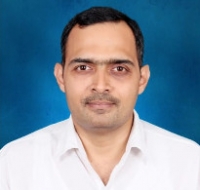
Prof. Dr. Gowrish S
- Designation Professor
- Email drgowrishs@nitte.edu.in
- Joining date 12-10-2009
Pursing PhD - Faculty of Dental Sciences, A. B. Shetty Memorial Institute of Dental Sciences, Nitte (Deemed to be University)
MDS - Saveetha Dental College, Conservative Dentistry and Endodontics, The Tamil Nadu Dr. M. G. R. Medical University
BDS - SDM College of Dental Sciences and Hospital, Karnataka University
MDS - Saveetha Dental College, Conservative Dentistry and Endodontics, The Tamil Nadu Dr. M. G. R. Medical University
BDS - SDM College of Dental Sciences and Hospital, Karnataka University
External Research Grants:
- ICMR First in the World Challenge Research Grant. Co-Principal Investigator - Nitte (DU) - 2025
- ICMR Small Research Grant. Co-Principal Investigator - Nitte (DU) - 2025
- ICMR - Short term studentship, Ms. Arushi - 2022
- Indian Association of Conservative Dentistry and Endodontics
- Indian Endodontic Society
- Association of Conservative Dentistry and Endodontics of Karnataka
- Aesthetic Dentistry Association of India
- Indian Dental Association
- Proteomics Society of India
Publications: 31
Patents: 4
Books: 4
Scopus Author ID: 57211752458
https://orcid.org/0000-0002-0600-7794
Patents: 4
Books: 4
Scopus Author ID: 57211752458
https://orcid.org/0000-0002-0600-7794
Conservative Dentistry and Endodontics, Dental Materials
Rare Diseases, Biopharma, Neurological Omics and Biobanking, Infectious Diseases, Host-Pathogen Systems Biology

Dr. Vandana Sadananda
- Designation Reader
- Email drvandanasadananda@nitte.edu.in
- Joining date 08-09-2017
PhD - Faculty of Dental Sciences, A. B. Shetty Memorial Institute of Dental Sciences, Nitte (Deemed to be University)
MDS - Conservative Dentistry and Endodontics, A. B. Shetty Memorial Institute of Dental Sciences, Nitte (Deemed to be University)
BDS - A. B. Shetty Memorial Institute of Dental Sciences, Rajiv Gandhi University of Health Sciences
MSc - General Microbiology, St. Joseph College, Bangalore University
BSc - Microbiology, Zoology, Chemistry, St. Agnes College, Mangalore University
MDS - Conservative Dentistry and Endodontics, A. B. Shetty Memorial Institute of Dental Sciences, Nitte (Deemed to be University)
BDS - A. B. Shetty Memorial Institute of Dental Sciences, Rajiv Gandhi University of Health Sciences
MSc - General Microbiology, St. Joseph College, Bangalore University
BSc - Microbiology, Zoology, Chemistry, St. Agnes College, Mangalore University
External Research Grants:
- ICMR First in the World Challenge Research Grant. Principal Investigator - Nitte (DU) - 2025
- ICMR Small Research Grant. Principal Investigator - Nitte (DU) - 2025
- Indian Association of Conservative Dentistry and Endodontics
- Indian Endodontics Society
- Association of Conservative Dentistry and Endodontics of Karnataka
- Aesthetic Dentistry Association of India
- Proteomics Society of India
Publications: 54
Patents: 11
Books: 4
Scopus Author ID: 57188646933
https://orcid.org/0000-0003-1546-4978
Patents: 11
Books: 4
Scopus Author ID: 57188646933
https://orcid.org/0000-0003-1546-4978
Conservative Dentistry and Endodontics, Dental Materials
Biopharma, Rare Diseases, Infectious Diseases, Host-Pathogen Systems Biology, Neurological Omics and Biobanking
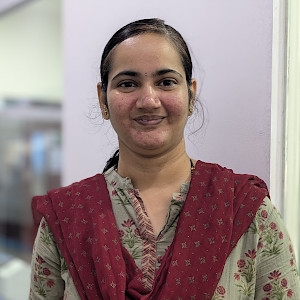
Dr. Akhila H S
- Designation Assistant Professor Grade II
- Email akhila.hs@nitte.edu.in
- Joining date 06-10-2025
Dr. Akhila H. S. obtained her doctoral degree from Manipal Academy of Higher Education, Manipal for the thesis entitled “Evaluation of novel non-ulcerogenic synthetic molecules in inflammation. After completion of her PhD, she worked as a guest faculty at the P.G department of Biochemistry, Mangalore University for four years. She has filed one patent, published 10 research articles, and received two best poster awards. Her research interest areas include inflammation, cancer, metabolic disorders and cell signalling.
- Ph.D. (2018): Topic “Evaluation of novel non-ulcerogenic synthetic molecules in inflammation” under the guidance of Dr. M.K. Unnikrishnan, Manipal Academy of Higher Education, Manipal.
- M.Sc. in Biochemistry (2012), Department of studies in Biochemistry, University of Mysore, Manasa Gangotri, Mysore.
- B.Sc. (Biotechnology-Biochemistry-Microbiology) (2010), Yuvaraja’s College, Mysore.
- Research Associate (May 2024 to September 2025) DBT/Wellcome Trust India Alliance grant entitled “Regulation of Plasmodium CellCycle and Cell Division by Protein Phosphorylation” under the mentorship of Dr. T. S.Keshava Prasad, at the Center for Systems Biology and Molecular Medicine (CSBMM),Yenepoya Research Center, Yenepoya (Deemed to be University), Mangalore.
- Worked as a Post-doctoral Fellow under the guidance of Dr. T. S. Keshava Prasad, at the Center for Systems Biology and Molecular Medicine (CSBMM), Yenepoya Research Center, Yenepoya (Deemed to be University), Mangalore from October 2023 to May 2024.
- Guest faculty at the P.G department of Biochemistry, Mangalore University for four years.
- Proteomics
- Phosphoproteomics
- Metabolomics
- Oncometabolites
- Inflammation
- Discovery of novel therapeutic target
- Akhila H. S. “Evaluation of Novel Non Ulcerogenic Synthetic Molecules in Inflammation” at Manipal Research Colloquium, Manipal University, Manipal on 5th April 2017. (Received the Best poster award)
- Akhila H. S, Chethan G H, Chandra Sekhar Misra, Yogendra Nayak and M K Unnikrishnan “Anti-Inflammatory Activity of Novel Synthetic Small Molecule NAPA-1: A Multi-Target Approach” at National Seminar on Translational Immunology : Today’s Research -Tomorrow's Therapy VIT University, Vellore on 24th -25th March 2017. (Received the Best poster award)
Life member of the Proteomics Society of India
- Althaf Mohammed KT, Panwar A, Shrungeswara AH, Prasad TSK, Raut AA, Mishra A. Metabolomic profiling and identification of potential biomarkers of highly pathogenic avian influenza (H5N1) in chicken. Frontiers in Cellular and Infection Microbiology. 2025 10.3389/fcimb.2025.1540290
- Venkatachalam H, Jayashree BS, Shrungeswara AH. Evaluation of Anti-Inflammatory Potentials of Novel Flavonols and Their Metal Complexes. Engineered Science. 2022;18:217-23. 10.30919/es8e676
- Shrungeswara AH, Unnikrishnan MK. Evolution of dietary preferences and the innate urge to heal: drug discovery lessons from Ayurveda. Journal of Ayurveda and integrative medicine. 2019;10(3):222-6. 10.1016/j.jaim.2017.08.003
- Kumar N, Shrungeswara AH, Mallik SB, Biswas S, Mathew J, Nandakumar K, Mathew J, Lobo R., Pinocembrin-Enriched Fractions of Elytranthe parasitica (L.) Danser Modulates Apoptotic and MAPK Cellular Signaling in HepG2 Cells. Anti-Cancer Agents in Medicinal chemistry. 2018; 18(11):1563-72. /10.2174/1871520618666180911112127
- Mudgal J, Shetty P, Reddy ND, Shrungeswara AH, Gourishetti K, Mathew G, Nayak PG, Kumar N, Kishore A, Kutty NG, Nandakumar K. In vivo Evaluation of Two Thiazolidin-4-one Derivatives in High Sucrose Diet Fed Pre-diabetic Mice and Their Modulatory Effect on AMPK, Akt and p38 MAP Kinase in L6 Cells. Frontiers in pharmacology. 2016, 14;7:381 10.3389/fphar.2016.00381
- Rajesh Krishna, Keshava Prasad TS, Akhila HS and Sakshi S Parate submitted provisional patent (Application No. 202541020934) entitled “System for multi-protein MRM assay for Haematological malignancies” on March 07,2025.
- Akhila HS, Chethan GH, Chandra Sekhar Misra and MK Unnikrishnan submitted a patent application entitled ' A nontoxic, non-ulcerogenic, pleiotropic novel synthetic small molecule for treating chronic inflammation' (Application No: 201741000101) applied on January 2, 2017.
- National Workshop on Metabolomics organized by Center for Systems Biology and Molecular Medicine, Yenepoya Research Centre, Yenepoya (deemed to be University) from September 3 2024 to September , 2024.
- National Workshop on Mass Spectrometry-based Metabolomics and Data Analysis organized by Center for Systems Biology and Molecular Medicine, Yenepoya Research Centre, Yenepoya (deemed to be University) from September 26, 2024 to September 28, 2024.
- Workshop on Hands-on Workshop on Metabolomic Analysis: Unlocking the Power of Mass Spectrometry organized by Center for Systems Biology and Molecular Medicine, Yenepoya Research Centre, Yenepoya (deemed to be University) from May 26 to 28, 2025
- Workshop on Fundamentals and Techniques in Proteomics organized by Center for Systems Biology and Molecular Medicine, Yenepoya Research Centre, Yenepoya (deemed to be University) from May 29 to 31, 2025
- Hands-on Workshop on Mass spectrometry-based Metabolomics organized by Center for Systems Biology and Molecular Medicine, Yenepoya Research Centre, Yenepoya (deemed to be University) from July 21 to 23, 2025
Molecular Biology, Cell Signalling, Metabolism I and II, and BiophysicalTechniques.
- Delivered a invited talk on "Mass Spectrometry: From Basics to Breakthroughs in Research", a special lecture organized by MU-Biochemical Innovation society at Biochemistry department, Mangalore University, Mangalore on January 03, 2025.
- Delivered a talk on “Basics of HPLC” during the National Workshop on Metabolomics, organized by CSBMM, Yenepoya Research Center on September 03, 2024.
- Akhila H.S, Geetha Mathew, Magith Thambi, M K Unnikrishnan. “Lifestyle diseases and the development of human olfacto-gustatory preference: Applying evolutionary thought to drug discovery” UGC sponsored two day national conference on “Myths and facts about lifestyle diseases- A practical perspective” on 3rd and 4th August 2015 at St. Philomena’s college, Mysuru.
- Akhila HS “Acute Stress Increases Circulating Anandamide and other N-Acylethanolamines in Healthy Humans’’ at one day symposium “Cannabis:Revisited” on 21st April 2014 held at Manipal College of Pharmaceutical sciences, Manipal. (Recieved second prize).
- Demonstration and oral presentation as resource person on “Basic Cell Culture Techniques” in AICTE sponsored Seminar-cum-Workshop on the theme, “Crusade against neoplasia and challenges in targeting tumor-specific nuclear machinery”, conducted by Manipal College of Pharmaceutical Sciences, 21st – 23rd January 2014 at Manipal University , Manipal
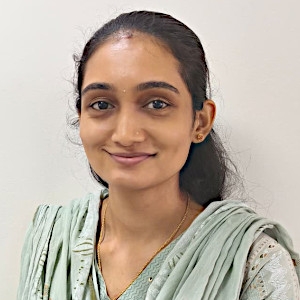
Ms. Akhila B. Rai
- Designation Assistant Professor Grade I
- Email akhila.rai@nitte.edu.in
- Joining date 06-10-2025
Akhila B. Rai worked on the development of serum-based assay for colorectal cancer detection in her Ph.D. Her research interests include clinical proteomics, mass spectrometry, post-translational modifications, cell signaling, and translational research. Through her research, she aims to bridge the gap between laboratory discoveries and clinically actionable diagnostics.
- Doctor of Philosophy (Faculty of Science), Yenepoya (Deemed to be University), Mangalore, 2025
- Master of Science (Molecular Biology), JSS Academy of Higher Education and Research, Mysore, 2020
- Bachelor of Science (Biomedical Science), Nitte University Center for Science Education and Research (NUCSER), Nitte (Deemed to be University), Mangalore, 2018
- Project Research Scientist-I, Yenepoya (Deemed to be University), Mangalore (23/05/2024 - 03/10/2025)
- Senior Research Fellow, Yenepoya (Deemed to be University), Mangalore (01/03/2024 – 22/05/2024)
- Junior Research Fellow, Yenepoya (Deemed to be University), Mangalore (01/03/2021 - 29/02/2024)
- Proteomics
- Cancer Biology
- Translational Research
- Post-translational Modifications
- Molecular Biology
- Signaling Pathways
Proteomics Society of India (PSI), Springer Nature India - Best Poster Award 2023. Presented at the 15th Annual Meeting of Proteomics Society, India along with the International Conference on “Integrated Proteomics: Application in Food, Nutrition and Health (IPAF[1]NH-PSI2023),” organized by National Institute of Plant Genome Research (NIPGR), New Delhi, from 20th to 22nd November 2023.
Life member of the Proteomics Society of India
- Mitra A, Chaudhury D, Rai AB, Das UN, Prasad TSK, Bose B, Shenoy PS. Arachidonic Acid Protects Skeletal Muscle Against Hyperglycaemia-Induced Muscle Atrophy by Modulating Myogenesis and Regulating KLF15 Expression in C57Bl/6 Mice. FASEB J 2025;39(18):e71036, doi:10.1096/fj.202502321RR
- Rai AB, Codi JAK, Kotimoole CN, Ramesh P, Narayana VK, Shaji V, Prasad TSK. Data-Independent Acquisition Analysis to Identify Serum Biomarkers and Neoantigens for Differentiating Colorectal Cancer from Inflammatory Bowel Diseases. J Proteome Res 2025, doi:10.1021/acs.jproteome.5c00285
- Rawat A, Antil N, Meenakshi, Deshmukh B, Rai AB, Nagar A, Kumar N, Prasad TSK, Karmodiya K, Sharma P. PfPPM2 signalling regulates asexual division and sexual conversion of human malaria parasite Plasmodium falciparum. Nat Commun 2025;16(1):4790, doi:10.1038/s41467-025-59476-
- Rai AB, Codi JAK, Suchitha GP, Hemavathi KN, Dagamajalu S, Abhinand CS, Raju R, Prasad TSK. Mapping growth differentiation factor-15 (GDF15)-mediated signaling pathways in cancer: insights into its role across different cancer types. Discov Oncol 2025;16(1):386, doi:10.1007/s12672-025-02121-1
- Gupta P, Goswami SG, Kumari G, Saravanakumar V, Bhargava N, Rai AB, Singh P, Bhoyar RC, Arvinden VR, Gunda P, Jain S, Narayana VK, Deolankar SC, Prasad TSK, Natarajan VT, Scaria V, Singh S, Ramalingam S. Development of pathophysiologically relevant models of sickle cell disease and beta-thalassemia for therapeutic studies. Nat Commun 2024;15(1):1794, doi:10.1038/s41467-024-46036-x
Patent
Prasad TSK, Rai AB, Codi JAK, Vijayakumar M, Shetty R. MS-based assays to quantify a panel of targeted serum protein biomarkers for detecting colorectal cancer. Application No: 202541015752. Provisional patent filed on 22nd February, 2025.
Invited Collaborator Speaker, Annual Meeting of the Center for Emerging and Tropical Diseases (CETD), 2025, Kasturba Medical College (KMC), Manipal. Talk Title: “Discovering Parasite Signaling Pathways Using Mass Spectrometry-Based Phosphoproteomics,” 2nd-3rd June 2025.
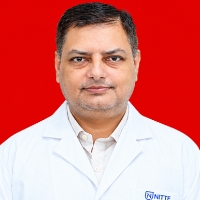
Dr. Kapil Sharma
- Designation Assistant Professor II/Staff Scientist
- Email kapil.sharma@nitte.edu.in
- Joining date 25-06-2026
Dr. Kapil Sharma is a biopharma, biotechnology and biochemistry professional with extensive research and industry experience in drug discovery, plant genomics, metabolomics, proteomics, and omics-driven science. He earned his Ph.D from the Repository of Tomato Genomics Resources (RTGR), Department of Plant Sciences, Hyderabad Central University, where his research focused on tomato mutants and natural variants compromised in ethylene biosynthesis. Following his doctoral work, he contributed as a Post-doctoral Research Associate at IIIT-Hyderabad and RTGR, later served as Senior Omics Scientist at Enveda Therapeutics Pvt. Ltd., Hyderabad, and subsequently worked as Consultant-Life Sciences/Junior Project Manager at Evolvus Technologies Pvt. Ltd., Pune. His academic and professional interests include biopharmaceutical development, biotechnology, and translational research in healthcare. He is also an experienced scientific content curator, writer, editor, and peer reviewer, with 15 high-impact peer-reviewed research publications and significant contributions to scientific reports, book chapters, conference proceedings, and grant proposals.
Ph.D Plant Sciences/Biotechnology, Hyderabad Central University, 2016.
M.Sc. Biochemistry, Hyderabad Central University, 2009.
B.Sc. Biotechnology, Institute of Applied Medicine and Research (IAMR), CCS University, Meerut, U.P.
M.Sc. Biochemistry, Hyderabad Central University, 2009.
B.Sc. Biotechnology, Institute of Applied Medicine and Research (IAMR), CCS University, Meerut, U.P.
Consultant-Life Sciences/Junior Project Manager- Evolvus Technologies Pvt. Ltd., Pune, India. (Nov 2023- May 2026)rn
rnrnSenior Omics Scientist- Platform Metabolomics Innovation, Enveda Therapeutics, Hyderabad, India. (Oct 2021- Sept 2023) rn
rnResearch Advisor- Prof. Abhijit Mitrarn
- rn
- Worked on diverse and unstructured datasets, including Drug Metabolism Pharmaco Kinetics (DMPK), Pharmaco Dynamics (PD), Absorption, Distribution, Metabolism, and Excretion (ADME), Steady-State Kinetics, Phosphosite Plus- Cell Signaling Technology (PSP-CST), Protein Degraders (PROTACs, Proximers, Molecular Glues, etc.), Therapeutic Peptide, Antibody Drug Conjugates (ADC), BGMA, Clinical trial datasets, etc. and provided customised and cost-effective scalable solutions to help enterprises. rn
rnrnSenior Omics Scientist- Platform Metabolomics Innovation, Enveda Therapeutics, Hyderabad, India. (Oct 2021- Sept 2023) rn
- rn
- Developed platform technologies based on LC-MS/MS to drive Drug discovery from the huge repository of plant molecules. rn
- Worked on novel target discovery and lead generation techniques involving co-fractionation, limited proteolysis, PROTACs, and Thermal Proteome Profiling (TPP). rn
- Identified novel targets proteins from plant molecule and animal tissue interaction studies. rn
- rn
- Work involved physiological and biochemical characterisation (by LC-MS, GC-MS, UPLC, GC, HPLC, etc.) of fruit ripening mutants of tomato obtained by Genome editing (CRISPR-Cas9 system) and discovered metabolites linked with novel pathways that were associated with longer shelf life, low ethylene production, and increased level of lycopene.
rnResearch Advisor- Prof. Abhijit Mitrarn
- rn
- Developed a national repository that provides a user-friendly interface for depositing, sharing, and analysing metabolomics data, generated by high-end mass spectrometers and chromatographs (GC-MS, LC-MS, NMR, and U-HPLC). rn
- Natural-Product based Drug discovery,
- Metabolic Reprogramming and Phytochemical Systems Pharmacology for Cancer and Diabetes,
- Metabolomics,
- Proteomics,
- Genetic Engineering,
- Reverse Genetics,
- Functional Genomics.
- Qualified for University Grants Commission - Research Fellowship in Science for Meritorious students (UGC-RFSMS), India, for Junior Research Fellowship (JRF) and Senior Research Fellowship (SRF).
- Recipient of an international travel award from Department of Biotechnology, Govt. of India, for attending 10th Solanaceae Conference held in Beijing, China, 13th - 17th October 2013.
- Qualified for Agriculture Research Service-National Eligibility Test (ARS-NET), India, 2010.
- Qualified for Graduate Aptitude Test in Engineering (GATE) examination-2009 (Life Sciences) conducted by Indian Institute of Science (IISc), Bengaluru, India, with 95.50 percentile.
- Qualified for CSIR-UGC NET- Conducted jointly by the Council of Scientific and Industrial Research (CSIR) and University Grants Commission (UGC), India, JUNE and DEC 2008.
- Narasimha Nizampatnam, Kapil Sharma, Prateek Gupta, Injangbuanang Pamei, Supriya Sarma, Yellamaraju Sreelakshmi and Rameshwar Sharma (2024). Introgression of a dominant phototropin1 mutant enhances carotenoids and boosts flavor-related volatiles in genome-edited tomato RIN mutants. New Phytologist (IF: 10.3), (Joint 1st author). https://doi.org/10.1111/nph.19510
- Kapil Sharma, Soni Gupta, Supriya Sarma, Meenakshi Rai, Yellamaraju Sreelakshmi, Rameshwar Sharma (2021). Mutations in Tomato 1-Aminocyclopropane Carboxylic Acid Synthase2 Uncover Its Role in Development beside System II Responses. The Plant Journal (IF: 7.2). https://doi.org/10.1111/tpj.15148
- HimabinduVasuki Kilambi, Alekhya Dindu, Kapil Sharma, NarasimhaRao Nizampatnam, Neha Gupta, NikhilPadmanabhan Thazath, AjayakumarJaya Dhanya, Kamal Tyagi, Sulabha Sharma, Sumit Kumar, Rameshwar Sharma, Yellamaraju Sreelakshmi (2021). The new kid on the block: A dominant-negative mutation of phototropin1 enhances carotenoid content in tomato fruits. The Plant Journal (IF: 7.2). https://doi.org/10.1111/tpj.15206
- Khandal H, Gupta SK, Dwivedi V, Mandal D, Sharma NK, Vishwakarma NK, Pal L, Choudhary M, Francis A, Malakar P, Singh NP, Sharma K, Sinharoy S, Singh NP, Sharma R, Chattopadhyay D (2020). Root-specific expression of chickpea cytokinin oxidase/ dehydrogenase 6 in chickpea leads to enhanced root growth, drought tolerance and yield without compromising nodulation. Plant Biotechnology Journal (IF: 13.8). https://doi.org/10.1111/pbi.13378
- Sureshbabu Marriboina, Kapil Sharma, Debashree Sengupta, Anurupa Devi, Yadavalli, Rameshwar Sharma, Attipalli Ramachandra Reddy (2021). Systematic hormone-metabolite network provides insights of high salinity tolerance in Pongamia pinnata (L.) pierre. Physiologia Plantarum (IF: 6.4). https://doi.org/10.1111/ppl.13486
ORCID ID : 0000-0002-1847-4584
Scopus ID: 57190135203
WOS ID/ Researcher ID: AAM-5025-2021
- The core resource person of the organizing committee of the “1st, 2nd, 3rd, and 4th National Training Workshop on TILLING and Genome Editing in Crop Plants” funded by DBT at Repository of Tomato Genomic Resources, University of Hyderabad, India, 2015, 2017, and 2019 respectively.
- The core resource person of the organizing committee of “Computational Core for Plant Metabolomics (CCPM) workshop” conducted jointly by JNU-Delhi and IIIT-Hyderabad, India, 2013-2017.
- Ghosh Indira, Jhanwar Madan, Kaalia Rama, Maheswary Saket, Mitra Abhijit, Modee Rohit, Mohapatra Rajkishore, Panday Shailesh, Parekh Nita, Prasad Rajesh, Pudi Vikram, Rani Pratibha, Reddy Vamshi, Saini Isha, Shah Tejas, Sharma Kapil, Singh Jaspreet, Sircar Sanchari (2017). CCPM: Computational Core for Plant Metabolomics “A synergistic alliance of chemistry, biology and computer science” – A Collaborative Platform. Poster presentation in R & D SHOWCASE, International Institute of Information Technology (IIIT)- Hyderabad, India, on Feb 18-19, 2017.
- Actively participated and a member of the organizing committee of the Plant Sciences Colloquium conducted by Dept. of Plant Sciences, University of Hyderabad, India, 2010-2014.
- Kapil Sharma, Soni Gupta, Yellamaraju Sreelakshmi and Rameshwar Sharma (2013). Identification and characterization of ethylene overproducer mutant by TILLING in tomato. Oral talk in 5th Plant Sciences Colloquium, University of Hyderabad, India, 2013.
Peer Reviewer for the journals :
- Acta Physiologiae Plantarum by Springer Nature (ISSN: 1861-1664).
- Physiology and Molecular Biology of Plants by Springer Nature (ISSN: 0971-5894).
- Journal of Biotech Research (ISSN: 1944-3285). Research work acknowledged by news papers :
- UOH Tweaks Tomato For Longer Life, Better Taste | Times of India
- Nutritious Tomatoes From Repository of Tomato Genomics Resources, University of Hyderabad
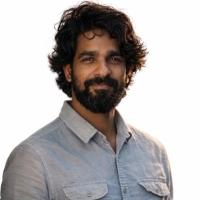
Dr Shaiesh Morajkar
- Designation GSERF- Post-Doctoral Research Fellow
- Email .
- Joining date 09-03-2026
Dr. Morajkar S. is an Environmental Biotechnologist with expertise spanning molecular biology, wetland ecology, and biosorption-based remediation strategies. His interdisciplinary research integrates molecular markers, bioinformatics, and geospatial tools to address challenges in climate-resilient agriculture and biodiversity conservation. He has a strong focus on developing nature-based solutions and actively contributes to policy translation, bridging the gap between scientific research and sustainable environmental management. Dr. Morajkar’s current research interests lie in proteogenomic approaches for engineering climate-resilient crops, with particular emphasis on enhancing salinity and submergence tolerance in rice.
Ph.D. (Biotechnology), Department of Biotechnology and Research, Mangalore University, Mangalore, Karnataka, India, 2019.
UGC-NET (Assistant Professorship) in Environmental Science, December 2019.
MH-SET (Assistant Professorship) in Life Science, June 2019.
M.Sc. (Biotechnology) from St. Aloysius College (Autonomous), Mangalore University, Karnataka, India (2013).
UGC-NET (Assistant Professorship) in Environmental Science, December 2019.
MH-SET (Assistant Professorship) in Life Science, June 2019.
M.Sc. (Biotechnology) from St. Aloysius College (Autonomous), Mangalore University, Karnataka, India (2013).
- Assistant Professor & In-charge of Department of Environment Science and Impact Assessment (ESIA), Department of Biotechnology, CES’s Chowgule College of Arts and Science, Goa. (18.07.2022 – 07.03.2026)rn
- Scientific Officer, Goa State Wetland Authority (GSWA), Government of Goa. (23.12.2019 to 19.07.2022)rn
- Young Professional II, Genetics and Breeding, ICAR- Central Coastal Agricultural Research Institute, Goa. (28.05.2018 to 20.12.2019)rn
- Project Assistant, Natural Resource Management, ICAR- Central Coastal Agricultural Research Institute, Goa. (16.11.2017 to 26.05.2018)rn
- Project Assistant, St Aloysius College Mangalore. (01.04.2016 to 31.03.2017)
- rnLecturer (Part time), Department of Biotechnology, St Agnes College Mangalore. (01.07.2015 to 21.03.2016)rn
- Project Assistant, St Aloysius College Mangalore. (05.12.2013 to 01.08.2014)
- Climate smart/ Resilient Crops
- Molecular Biology
- Proteogenomic
- Wetland ecology and Biodiversity conservation
- Biosorption technology
- Plant physiology
- Geoinformatics and biodiversity mapping
- Goa State Research Foundation (GSRF) Post-Doctoral Research Fellowship 2025-26.
- Young Scientist Award 2025, USTM in collaboration with Indian Fern Society
- Certificate of Merit 2025 for the credible research contributions in pteridology by the Indian Fern Society.
- First place in state level Innovative student driven project, Goa State Council for Science & Technology (GSCST) in association with Department of Science, Technology and Waste Management (DST&WM) and Directorate of Sports and Youth affairs, Govt. of Goa.
- Young Pteridologist Award (2022) University of Calicut, Kerela, in collaboration with Indian Fern Society.
- Prof. Brij Mohan Johri Award (2015) for the best Poster at the XXXVIth PTCA (I) Annual meet National Symposium.
- Dr. Ambedkar National Merit Scholarship Award, given by Dr. Ambedkar Foundation, Ministry of Social justice and empowerment, Government of India.
- Goa State Biodiversity Strategy and Action Plan (GSBSAP)
- Indian Fern Society (IFS)
- India Botanical Society (IBS)
- Mahajan GR, Das B, Kumar P, Murgaokar D, Patel K, Desai A, Morajkar S, Kulkarni RM, Gauns S. (2024) Spectroscopy-based chemometrics combined machine learning modeling predicts cashew foliar macro- and micronutrients, Spectrochimica Acta Part A: Molecular and Biomolecular Spectroscopy; 320: 124639. https://doi.org/10.1016/j.saa.2024.124639 IF: 4.3
- Morajkar S, Sangeeta S, Hegde S. (2024) Assessment of carbon sequestration rate and tree diversity in a model urban green cover study using a college campus in Mangalore city. Trends in Current Biology.; 2(1): 26-33. https://doi.org/10.14719/tcb.2950; IF: --
- Kushalan S, Kashyap A, Morajkar S, Hegde S (2023) Geospatial Distribution of Fluoride and Iron in Natural Water Sources in Mangalore City. Journal of Health and Allied Sciences NU. https://doi.org/10.1055/s-0042-1760322; IF: 0.3
- Mahajan, GR, Das, B, Morajkar, S et al. (2021) Comparison of soil quality indexing methods for salt-affected soils of Indian coastal region. Environ Earth Sci 80, 725. https://doi.org/10.1007/s12665-021-09922-x IF: 3.12
- Morajkar S, Hegde S (2021) Biodiversity, richness, and spatial distribution of extant Pteridophytes in Kudremukh National Park, Western Ghats, India. Plant Science Today, 8(4): 848–858. https://doi.org/10.14719/pst.2021.8.4.1057 IF: 1.08
Book Chapters
- Morajkar S, Suneetha C, Kumar HTG, Hegde S. (2022) Molecular Markers in Pteridophytes. In: Ferns: Biotechnology, Propagation, Medicinal Uses and Environmental Regulation, Spinger Nature. pp. 99- 134. https://doi.org/10.1007/978-981-16-6170-9_5
- Sajeev S, Roshni PT, Mathias RC, Morajkar S, Prabhu SG, Hegde S. (2022). Pteridophytes: Effective Agents of Phytoremediation in Pteridophytes. In: Ferns: Biotechnology, Propagation, Medicinal Uses and Environmental Regulation, Spinger Nature. pp. 627-649. https://doi.org/10.1007/978-981-16-6170-9_27
- Morajkar S. (2022) Recent advances in DNA barcoding of Pteridophytes. In: Emerging Trends in life science. SciEng Publications. pp. 16-29.
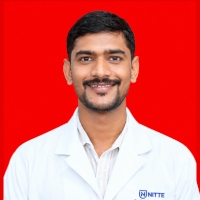
Dr. B S Dayananda
- Designation Research Scientist
- Email bs.dayananda@nitte.edu.in
- Joining date 06-07-2026
Dr. B. S. Dayananda is a Research Scientist at the Centre of Omics and Systems Medicine (C-OSM), K.S. Hegde Medical Academy (KSHEMA), Nitte (Deemed to be University), India. He obtained his Ph.D. in Industrial Chemistry from Mangalore University in 2025, with research focused on the synthesis of chromone and coumarin derivatives and their polymeric composites for biological and optoelectronic applications. His expertise spans medicinal chemistry, biomaterials, electrospun nanofibers, drug delivery, fluorescence spectroscopy, and optoelectronic materials. Prior to his current position, he worked as a Research Associate at Syngene International Ltd. (Biocon) and as an Assistant Professor at Srinivas Institute of Technology. Dr. Dayananda has authored 14 peer-reviewed international publications and continues to pursue interdisciplinary research integrating chemistry, advanced materials, omics technologies, and translational biomedical applications.
PhD in Industrial Chemistry at Mangalore University, Mangalagangothri
Masters of Science in Industrial Chemistry at Mangalore University, Mangalagangothri
Masters of Science in Industrial Chemistry at Mangalore University, Mangalagangothri
- Biomaterials & Drug Delivery: Electrospinning of polymeric materials (e.g., Eudragit, Pullulan, Chitosan, Cellulose Acetate) for sustained and targeted drug delivery systems.
- Medicinal Chemistry: Synthesis and evaluation of heterocyclic compounds (chromone, coumarin, thiazole hybrids) as biologically active agents.
- Spectroscopy & Structural Analysis: Characterization of organic molecules, composites, and nanocomposites using Mass, UV-Vis, IR, NMR, and Fluorescence spectroscopy.
- Optoelectronics: Evaluation of aggregation-induced emission (AIE) and excited-state intramolecular- proton transfer (ESIPT) phenomena for optical applications and biosensors.
- Awarded with the certificate of excellence in recognition of significant contribution towards developing the scheme with cost consciousness, improved yield, and less steps, as quickly as possible for the Phase III clinical trial compound
- KSET Certification: Cleared the Karnataka State Eligibility Test for Assistant Professor. /
- B.S. Dayananda, B.K. Sarojini, K.R. Harshitha, “Revisiting the pharmacological potential of 3-hydroxy flavone derivatives (3HF) in transdermal drug delivery by electrospun cellulose acetate nanofiber,” ChemistrySelect (2023), doi.org/10.1002/slct.202202702. 202202702.
- B. S. Dayananda, B. K. Sarojini, Q. A. Wong, C. K. Quah, P. J. Srijana, and Pushparekha, “X-aggregation-induced emission in newly fabricated Pullulan/3- Hydroxyflavone derivative composite electrospun nanofiber mat for optical applications,” Journal of Molecular Structure, vol. 1286, 135523, 2023, doi: 10.1016/j.molstruc.2023.135523.
- B. S. Dayananda, B. K. Sarojini, Q. A. Wong, C. K. Quah, and P. J. Srijana, “J- aggregation-induced photoluminescence in electrospun pullulan/ 2-(2- fluorophenyl)-3-hydroxy-4H-chromen-4-one composite mat for photonic applications,” Opt. Mater. vol. 143, 2023, doi: 10.1016/j.optmat.2023.114303.
- B. S. Dayananda, B. K. Sarojini, Pushparekha, “Stoke’s shift and quantum efficiency enhancement in fluorescent coumarin aldehyde (HMCA) dye- conjugated chitosan matrix for optoelectronic applications,” Dyes and Pigments, 223 (2024), 111936, doi.org/10.1016/j.dyepig.2024.111936.
- B. S. Dayananda, B.K. Sarojini, Pushparekha, Aggregation-Induced Emission in Chitosan/7-Diethylamino-4-Methyl Coumarin Composite System for Optoelectronic Applications, Journal of Applied Polymer Science. (2025) 1–13. https://doi.org/10.1002/app.57344.
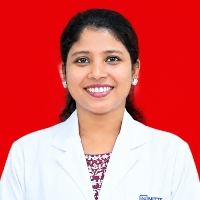
Dr. Vinitha D'Souza
- Designation Research Scientist
- Email vinitha.dsouza@nitte.edu.in
- Joining date 12-06-2026
Dr. Vinitha D'Souza completed her PhD in Life Sciences from Nitte (Deemed to be University) in 2026. During her doctoral research, she investigated the impact of protein malnutrition on chemical-induced hepatotoxicity using preclinical animal models, integrating biochemical, histopathological, proteomics, and metabolomics approaches. She has extensive experience in preclinical biomedical research, including experimental study design, animal experimentation, IAEC/CPCSEA regulatory compliance, and scientific documentation. She worked as a Project Technical Support III at the Centre for Systems Biology and Molecular Medicine, Yenepoya Research Centre, Yenepoya (Deemed to be University), Mangaluru, where she contributed to an ICMR-funded multi-omics project on Gaucher disease, focusing on kinase signaling pathways, biomarker discovery, and LC–MS/MS-based proteomics and metabolomics analyses. She is currently working as a Research Scientist at the Center for Omics and Systems Medicine (COSM), NITTE (Deemed to be University), where her research focuses on multi-omics approaches, biomarker discovery, and translational biomedical research. She has authored several peer-reviewed research articles, review papers, and a book chapter in reputed international journals.
• PhD in Life Sciences, Nitte (Deemed to be University), 2026.
• M.Sc. in Zoology, Mangalore University.
• B.Sc. (CBZ), St. Aloysius College, Mangaluru.
• M.Sc. in Zoology, Mangalore University.
• B.Sc. (CBZ), St. Aloysius College, Mangaluru.
Preclinical Animal Research, Toxicology, Proteomics, Metabolomics, Translational Biomedical Research.
- Qualified KSET (Assistant Professor Eligibility), University of Mysore.
- Published multiple peer-reviewed research articles in international journals.
- Badanthadka M. et al., Turkish Journal of Pharmaceutical Sciences (2024).
https://doi.org/10.4274/tjps.galenos.2023.23855 - Augustin V. et al., Turkish Journal of Pharmaceutical Sciences (2024).
https://doi.org/10.4274/tjps.galenos.2023.56736 - Book Chapter: CRC Press (2025).
https://doi.org/10.1201/b23328- 26 - D’Souza V. et al., SN Comprehensive Clinical Medicine (2026). https://doi.org/10.1007/s42399-026-02354-3
- D'Souza V. et al., Daru: Journal of Pharmaceutical Sciences (2026).
https://doi.org/10.1007/s40199-026-00611-3
- Oral Presentation – Nirma University (2021)
- Posters – ANVESHAN (2022), ICMPHQL (2022)
- Volunteer – ICAPHS Conference (2020)
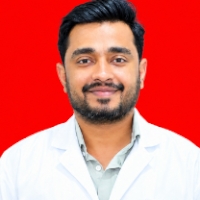
Shreesha Sadashiva Rao
- Designation Research Scientist
- Email shreesha.rao@nitte.edu.in
- Joining date 17-06-2026
Dr. Shreesha Sadashiva Rao, brings extensive international experience from academia and industry, having served as a Postdoctoral Research Fellow in the Fish Immunology Group at the University of Bergen, Norway (2022–2025), where he led multidisciplinary projects on host–pathogen interactions and advanced vaccine innovation. Dr Rao completed his PhD in Veterinary medicine from National Pingtung University of Science and Technology, Taiwan awarded in 2021 where he worked on “Genetic characteristics, cell-surface properties and vaccine efficacy of Lactococcus garvieae in cultured fish”. Dr Rao’s research expertise spans transcriptomics, veterinary diagnostics, and bioinformatics, with a strong foundation in veterinary medicine and aquaculture. In 2025, Dr Rao also undertook an industry internship at Stiftelsen Industrilaboratoriet (ILAB), Bergen, bridging academic research with practical industry applications in animal health and diagnostics. Dr. Rao has authored multiple peer-reviewed publications in high-impact journals, contributing significantly to the understanding of immune mechanisms in veterinary, and holds an H-index of 9 as per Google Scholar since 2021. Alongside his research Dr Rao has supervised MSc and BSc students from different countries. He has completed advanced training in pedagogy and has completed the course on ‘AI in healthcare’ from Standford University, USA. His current work integrates omics-technologies, immunology, and applied animal health, positioning him as a globally trained scientist dedicated to One Health solutions.
PhD in Veterinary medicine at National Pingtung University of Science and Technology, Taiwan. Grade: 91.12%. ( 1stRank)
Masters of Fisheries Science in Aquaculture at College of Fisheries, Mangalore, KVAFSU. India. Grade: 7.98 /10.00
Masters of Fisheries Science in Aquaculture at College of Fisheries, Mangalore, KVAFSU. India. Grade: 7.98 /10.00
Multi-omics studies, Immunology, host–pathogen interactions and advanced vaccine innovation.
- Marie Skłodowska-Curie (SEAS) Postdoctoral Fellowship (2022–2025), University of Bergen, Norway
- Meltzer Research Fund Award (2024), The Meltzer Foundation, Norway.
- Junior Young Scientist Award (2022), Society of Fisheries and Life Sciences, India
- Outstanding International Research Performance of the Year (2022), NPUST, Taiwan
- Certificate of Excellence (2021), NPUST, Taiwan
- Rao, S. S., Lunde, H. S., Dolan, D. W. P., Fond, A. K., Petersen, K., & Haugland, G. T. (2023). Transcriptome-wide analyses of early immune responses in lumpfish leukocytes upon stimulation with poly(I:C). Frontiers in Immunology, 14, 1198211. https://doi.org/10.3389/fimmu.2023.1198211 Journal Metrics: IF: 5.9 | Rank: Q1 (Immunology)
- Rao, S. S., Nelson, P. A., Lunde, H. S., & Haugland, G. T. (2023). Evolutionary, comparative, and functional analyses of STATs and regulation of the JAK-STAT pathway in lumpfish upon bacterial and poly(I:C) exposure. Frontiers in Cellular and Infection Microbiology, 13, 1252744. https://doi.org/10.3389/fcimb.2023.1252744 Journal Metrics: IF: 4.8 | Rank: Q1 (Microbiology)
- Rao, S., Pham, T. H., Poudyal, S., Cheng, L. W., Nazareth, S. C., Wang, P. C., & Chen, S. C. (2022). First report on genetic characterization, cell-surface properties and pathogenicity of Lactococcus garvieae, emerging pathogen isolated from cage-cultured cobia (Rachycentron canadum). Transboundary and Emerging Diseases, 69(3), 1197–1211. https://doi.org/10.1111/tbed.14083 Journal Metrics: IF: 3.5 | Rank: Q1 (Veterinary Sciences)
- Rao, S., Chen, M. Y., Sudpraseart, C., Lin, P., Yoshida, T., Wang, P. C., & Chen, S. C. (2022). Genotyping and phenotyping of Lactococcus garvieae isolates from fish by pulse-field gel electrophoresis (PFGE) and electron microscopy indicate geographical and capsular variations. Journal of Fish Diseases, 45(6), 771–781. https://doi.org/10.1111/jfd.13601 Journal Metrics: IF: 2.2 | Rank: Q1 (Fisheries)
- Rao, S., Byadgi, O., Pulpipat, T., Wang, P. C., & Chen, S. C. (2020). Efficacy of a formalin inactivated Lactococcus garvieae vaccine in farmed grey mullet (Mugil cephalus). Journal of Fish Diseases, 43(12), 1579–1589. https://doi.org/10.1111/jfd.13260 Journal Metrics: IF: 2.2 | Rank: Q1 (Fisheries)
- 22nd International Conference on Diseases of Fish and Shellfish by European Association of Fish Pathologists in Heraklion, Crete, Greece. 2025
- 23rd Conference on Fish Immunology and Vaccination Workshop at Wageningen University, Netherlands 2024
- Workshop on Natural v/s Synthetic Drugs by society of biological chemists by Indian Institute of Science (IISc), India, Jan 2016
- Workshop on DNA Barcoding -concept and application by: Paul Hebert Centre for DNA Barcoding & Biodiversity Studies, Dr. Babasaheb Ambedkar Marathwada University, Aurangabad, India. 2016
- Workshop on Data Curation Using Perl & Python and Database Development Using Mysql workshop organised by RGCB - Rajiv Gandhi Centre for Biotechnology, India, 2016
Scopus ID: 57219000486
WOS ID/ Researcher ID: AAL-3360-2021
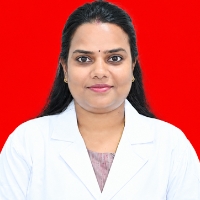
Dr. Priyanka D N
- Designation Project Research Scientist
- Email priyanka.dn@nitte.edu.in
- Joining date 18-08-2026
Dr. Priyanka D N completed her Ph.D. in Biochemistry from CSIR-Central Food Technological Research Institute (CFTRI), Mysuru, in 2025. Her doctoral research examined the regulation of gluconeogenesis by low molecular weight chitosan through PI3K-AKT-FOXO signalling in streptozotocin-induced diabetic rats, integrating cell-based assays, and biochemical and molecular profiling across oxidative stress, mitochondrial function, autophagy, and neuroinflammation pathways. She holds an M.Tech in Industrial Biotechnology from the National Institute of Technology Karnataka, Surathkal, and a B.Tech in Biotechnology and Biochemical Engineering from the University of Kerala. She subsequently worked as a Research Scientist in an R&D laboratory and executed bioanalytical workflows spanning HPLC-based quantification, Western blotting, RT-qPCR, and cell-based assays. She joined C-OSM in August 2026, where her research focuses on evaluating the tumorigenic potential of areca nut through in vitro and in vivo models combined with mass spectrometry-based proteomics.
- PhD in Biochemistry, CSIR-Central Food Technological Research Institute, Mysuru
- M.Tech in Industrial Biotechnology, National Institute of Technology Karnataka, Surathkal
- B.Tech in Biotechnology and Biochemical Engineering, University of Kerala
Metabolic and inflammatory disease mechanisms; PI3K-AKT and autophagy signalling; natural bioactives and carbohydrate polymers; cell-based disease models; multi-omics approaches to biomarker discovery.
- CSIR Junior Research Fellowship - All India Rank 94 (2019-2025)
- GATE Scholarship - All India Rank 599 (2017-2019)
- Priyanka D N, Harish Prashanth K V, "Low molecular weight chitosan (~20 kDa) exhibits in vivo anti-hyperglycemic effects through AKT/PI3K/FOXO pathway," Carbohydrate Polymer Technologies and Applications, vol. 8, 100534, 2024, doi: 10.1016/j.carpta.2024.100534.
- Priyanka D N, et al., "A review on potential anti-diabetic mechanisms of chitosan and its derivatives," Carbohydrate Polymer Technologies and Applications, vol. 3, 100188, 2022, doi: 10.1016/j.carpta.2022.100188.+
- 38th Carbohydrate Conference (CARBO-XXXVIII), Association of Carbohydrate Chemists and Technologists, 2024
- International Food Convention (IFCON), Association of Food Scientists and Technologists (India), 2023
- Indo-US Workshop on Molecular Epidemiology, 2022
- 35th Carbohydrate Conference (CARBO-XXXV), Association of Carbohydrate Chemists and Technologists, India, 2021
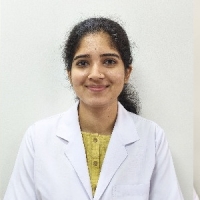
Malleshwari M
- Designation Ph. D. Scholar
- Email .
- Joining date 02-02-2026
Malleshwari M. is currently a Ph.D. scholar at the Center for Omics and Systems Medicine (C-OSM), K. S. Hegde Medical Academy (KSHEMA), Nitte (Deemed to be University). She holds a Master of Science degree in Biochemistry from Mangalore University (2024) . Her academic training and research experience are centered on advanced analytical techniques, biomarker discovery, and omics-driven translational research.
She has worked as Junior research fellow at the Centre for Systems Biology and Molecular Medicine, Yenepoya Research Centre, Yenepoya (Deemed to be University), Mangalore, where she was involved in targeted and untargeted proteomics and metabolomics studies. She has hands-on experience operating and maintaining high-end mass spectrometry platforms. Previously, she worked as a Junior Project Fellow at Onconquer Private Limited, Yenepoya Technology Incubator, contributing to a BIRAC-funded project focused on developing mass spectrometry–based multi-protein panel assays for hematological malignancies.
• Master of Science in Biochemistry (2022-2024) - Mangalore University, Mangalagangothri
• Bachelor of Science (BZC) (2019-2022) - University College Mangalore, Hampankatta
• Bachelor of Science (BZC) (2019-2022) - University College Mangalore, Hampankatta
Proteomics, Metabolomics, Mass Spectrometry–based Biomarker Discovery, Cancer Biology, Translational Omics Research
Workshops Organized:
- One day Hands-on Workshop on Mass spectrometry-based Metabolomics organized by Center for Systems Biology and Molecular Medicine, Yenepoya Research Centre, Yenepoya (deemed to be University) on 4th November 2025
- Hands-on Workshop on Mass spectrometry-based Metabolomics organized by Center for Systems Biology and Molecular Medicine, Yenepoya Research Centre, Yenepoya (deemed to be University) from July 21 to 23, 2025
- Workshop on Proteomics and Phosphoproteomics organized by Center for Systems Biology and Molecular Medicine, Yenepoya Research Centre, Yenepoya (deemed to be University) from July 24 to 26, 2025
- Workshop on Hands-on Workshop on Metabolomic Analysis: Unlocking the Power of Mass Spectrometry organized by Center for Systems Biology and Molecular Medicine, Yenepoya Research Centre, Yenepoya (deemed to be University) from May 26 to 28, 2025
- Workshop on Fundamentals and Techniques in Proteomics organized by Center for Systems Biology and Molecular Medicine, Yenepoya Research Centre, Yenepoya (deemed to be University) from May 29 to 31, 2025.
- National Level workshop on “Identification Techniques of Macrofungi and Lichens” held at University college Mangalore in the year 2019.
- Workshop On Network Pharmacology : Tools and Applications organized by Center for Systems Biology and Molecular Medicine, Yenepoya Research Centre, Yenepoya (deemed to be University) from 12 June 2025.
- Grant Writing for Early- Career Researchers: Breaking into Funding organized by Center for Systems Biology and Molecular Medicine, Yenepoya Research Centre, Yenepoya (deemed to be University) from 23 to 24 May 2025.
- Participated in International webinar on “Neuroinflammation and Regenerative Medicine” conducted by St. Aloysious (deemed to be University) PG studies in the year 2024.
LinkedIn: linkedin.com/in/malleshwari-m-0b36261b4
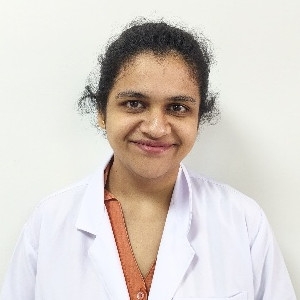
Raja Rajeshwari
- Designation PhD Scholar
- Email .
- Joining date 02-02-2026
Ms. Raja Rajeshwari completed her MSc in Biochemistry from JSS University, Mysuru, in 2023. She began her journey in bioinformatics during her MSc dissertation titled “Identification of Differentially Expressed Genes in Lymphoblastoid Cell Lines from Bipolar Patients” at NIMHANS, where she worked on differential gene expression analysis in bipolar disorder. She has over two and a half years of experience as a Bioinformatician, with expertise spanning genomics, transcriptomics, proteomics, and metabolomics data analysis. She has hands-on experience in LC–MS/MS–based metabolomics workflows and next-generation sequencing analyses, including RNA-Seq and whole exome sequencing. She worked as a Junior Research Fellow at Centre for Systems Biology and Molecular Medicine, Yenepoya Research Centre, Yenepoya (Deemed to be University), Mangalore, Yenepoya, for six months. She is currently pursuing her PhD at the Center for Omics and Systems Medicine (C-OSM), KSHEMA, Nitte (Deemed to be University), where her research focuses on proteogenomics and integrative multi-omics approaches on cancer.
- M.Sc. in Biochemistry, JSS University, 2023.
- B.Sc. in Kongunadu arts and science college, Coimbatore, Tamilnadu.
Bioinformatics, Computational Biology, Cancer Biology.
- Hands-on Workshop on Mass spectrometry-based Metabolomics organized by Center for Systems Biology and Molecular Medicine, Yenepoya Research Centre, Yenepoya (deemed to be University) from July 21 to 23, 2025.
- Workshop on Proteomics and Phosphoproteomics organized by Center for Systems Biology and Molecular Medicine, Yenepoya Research Centre, Yenepoya (deemed to be University) from July 24 to 26, 2025.
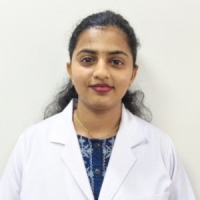
Ms Shwetha
- Designation Ph.D. Scholar
- Email .
- Joining date
Shwetha Poojary is a Ph.D. Scholar at the Centre for Omics and Systems Medicine (C-OSM), K. S. Hegde Medical Academy (KSHEMA), Nitte (Deemed to be University working on “Development of a Mass Spectrometry-Based Serum Biomarker Panel for Early Lung Cancer Detection in Indian Patients.” She holds an M.Sc. in Microbiology from Mangalore University and completed a three-month internship at the Yenepoya Research Centre on the antagonistic effect of turmeric extract against Enterococcus species isolated from colon cancer patients. She also worked as a Junior Research Fellow at CSBMM, Yenepoya Deemed to be University, for seven months. Her research focuses on mass spectrometry-based proteomics and translational biomarker discovery.
- Master of Science in Microbiology (CGPA - 7.84) Mangalore University (2022-2024)
- Bachelor of Science in Microbiology (CGPA 7.96) St Aloysius college ,(2019- 2022)
Past Experience the following details to be included
Proteomics, Metabolomics, Bioinformatics, Biotechnology, Microbiology , Cancer Biology
Workshops Organized:
- Workshop on Proteomics and Phosphoproteomics organized by Center for Systems Biology and Molecular Medicine, Yenepoya Research Centre, Yenepoya (deemed to be University) from July 24 to 26, 2025
- Hands-on Workshop on Mass spectrometry-based Metabolomics organized by Center for Systems Biology and Molecular Medicine, Yenepoya Research Centre, Yenepoya (deemed to be University) from July 21 to 23, 2025
- Workshop on Molecular Docking and Dynamics Simulation organized by Center for Systems Biology and Molecular Medicine, Yenepoya Research Centre, Yenepoya (deemed to be University) from June 13 to 14, 2025
- Workshop on Fundamentals and Techniques in Proteomics organized by Center for Systems Biology and Molecular Medicine, Yenepoya Research Centre, Yenepoya (deemed to be University) from May 29 to 31, 2025.
- Workshop on Hands-on Workshop on Metabolomic Analysis: Unlocking the Power of Mass Spectrometry organized by Center for Systems Biology and Molecular Medicine, Yenepoya Research Centre, Yenepoya (deemed to be University) from May 26 to 28, 2025.
- Gunvatta Yatra Awareness Program on NABL Accreditation of Biobanks in accordance with ISO 20387:2018 at Department of Medical Education, Manipal Academy of Higher Education (MAHE), Manipal conducted on 23 July 2025
- Workshop On Network Pharmacology : Tools and Applications organized by Center for Systems Biology and Molecular Medicine, Yenepoya Research Centre, Yenepoya (deemed to be University) from 12 June 2025.
- Grant Writing for Early- Career Researchers: Breaking into Funding organized by Center for Systems Biology and Molecular Medicine, Yenepoya Research Centre, Yenepoya (deemed to be University) from 23 to 24 May 2025
- Hands-on Training in Molecular Biology Techniques organized by Cell Biology and Molecular Genetics Yenepoya Research centre,Yenepoya (Deemed to be University) from 6 to 8 Sep 2024
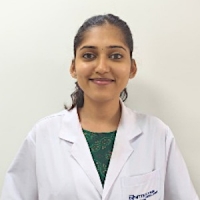
Nethra V
- Designation Ph. D. Scholar
- Email .
- Joining date
Ms. Nethra V obtained her M.Sc. degree in Molecular Biology from the University of Mysore, Manasa gangotri, Mysore, in 2023. Master’s thesis work on “Purification and characterization of L-Serine/L-Threonine Deaminase from Solanum melongena”.
- M.Sc. in Molecular Biology, University of Mysore, 2023.
- B.Sc. in BBM (Biochemistry, Botany, Microbiology), Yuvaraja’s college Mysore, Mysore, 2021.
Immunology, Proteomics, Phosphoproteomics, Immunopeptidomics.
- Participated in National Symposium on “Trends in Drug Discovery”
- Participated in National Symposium on “Molecular biology of the cell ”
- National symposium on “Toxins and Biomolecules”
- Attended Biorad Bioprocessing seminar 2024.
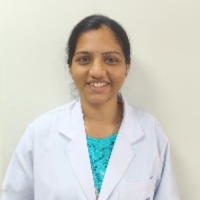
Ananya N
- Designation Research Assistant
- Email .
- Joining date 02-02-2026
Ms. Ananya N obtained her M.Sc. degree in Computational Biology and Bioinformatics (By Research) from the Yenepoya Research Centre, Yenepoya (Deemed to be) University, Mangaluru, in 2025, securing a Gold Medal for Academic Excellence (First Rank). During her master’s thesis, she investigated the in vitro anticancer activity of Bhallataka Taila in breast cancer cell line, integrating cell culture assays with proteomics and phosphoproteomics workflows. She is currently working as a Research Assistant at the Center for Omics and Systems Medicine (C-OSM), K. S. Hegde Medical Academy (KSHEMA), Nitte (Deemed to be University).
- M.Sc. in Computational Biology & Bioinformatics (By Research), Yenepoya Research Centre, 2025
- B.Sc. in Botany, Zoology, and Chemistry, Canara College, Mangaluru, 2023.
Cancer Biology, Bioinformatics, Mass spec based Proteomics and metabolomics
Gold Medalist – Academic Excellence Award (First Rank), MSc.
- MiCON – Conference on latest trends and innovations in microbiology and biotechnology.
- Workshop on Single cell and Spatial Multiomics
- Workshop on Network Pharmacology: Tools and Applications.
- Workshop on Grant Writing for Early-Career Researchers: Breaking into Funding.
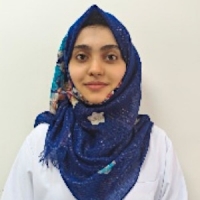
Fathima Fareeha
- Designation Research Assistant, C-OSM, KHSEMA, NITTE
- Email .
- Joining date 02-02-2026
Fathima Fareeha has obtained her masters degree in Chemistry from Yenepoya Institute of Arts, Science, Commerce & Management, Mangalore (2025), securing top academic distinctions including the Outstanding Student Achiever Award, Academic Excellence Award, and first rank in M.Sc. Chemistry. Currently she is working as a Research Assistant at Centre for Omics and Systems Medicine (C-OSM), K.S. Hegde Medical Academy (KHSEMA) , NITTE (Deemed to be University), Deralakatte, Mangalore.
- M.Sc. in Chemistry (1st rank), Yenepoya Institute of Arts Science Commerce & Management, Balmatta, Mangalore 2025.
- B.Sc. in Chemistry, Botany, Zoology (4th rank), Sri Venkataramana Swamy College, Bantwal, Mangalore University, 2023.
Metabolomics, Phosphoproteomics, Natural product & medicinal chemistry.
- M.Sc. Chemistry (1st rank -Academic Excellence award)
- Won inter-collegiate chemistry seminar competitions held in St. Aloysius college, Mangalore and Mangalore University.
- B.Sc. Chemistry, Botany, Zoology (4th rank)
- Undertook my internship program titled “Metabolomics combined with network pharmacology: Insights into neuroprotective mechanisms of Kapikacchu ayurvedic churna in Parkinson’s disease treatment” at Yenepoya Research Centre (YRC-CSBMM), Deralakatte, Mangalore, for a duration of one and a half month
- Participated in Chemcareers-an interactive workshop held at St. Alloysius College, Mangalore sponsored by the Royal Society of Chemistry, UK
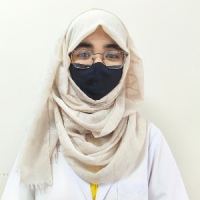
Mumaiza Kittur
- Designation Research Assistant
- Email .
- Joining date 09-02-2026
Mumaiza Kittur has completed her M.Sc. in Biomedical Sciences from the SDM Research Institute for Biomedical Sciences (SDMRIBS), Dharwad. Her master’s dissertation focused on sitosterolemia, with an emphasis on lipid metabolism and disease mechanisms. She has a strong academic foundation in molecular biology and biomedical sciences. Currently, she is working as a Research Assistant at the Centre for Omics and Systems Medicine (C-OSM), K.S. Hegde Medical Academy (KSHEMA), NITTE (Deemed to be University), Deralakatte, Mangalore.
- Master of Science (M.Sc.) in Biomedical Sciences, SDM Research Institute for Biomedical Sciences, Dharwad, 2025.
- Bachelor of Science (B.Sc.) in Chemistry, Botany & Industrial Microbiology, Kittel Science College, Dharwad, 2023
Mass spectrometry, Lipidomics, Stem Cell Biology, Metabolomics, Molecular Biology and Proteomics.
- M.Sc. Biomedical Sciences (3rd Rank)
- B.Sc. (1st Rank Holder) Won Best Model Presentation Award held at the Department of Anatomy, SDM Medical College, Sattur, Dharwad.
- SDMBIOMEDCON 2024 – Conference on Emerging Trends in Biomedical Research.
- Workshop on Attune™ CytPix™ Imaging Flow Cytometry (2024) held at CCMS SDM Sattur Dharwad
- Workshop on Demonstration of drosophila practicals and application in research held at SDMRIBS Dharwad
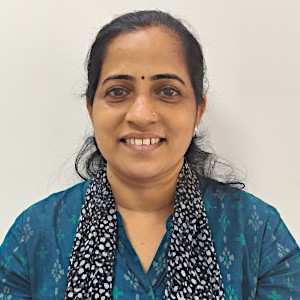
Ms. Roopa
- Designation Scientific Administration Assistant
- Email office.osm@nitte.edu.in
- Joining date
Ms. Roopa has over 28 years of experience in administrative and clerical roles across academic institutions, private firms, and the shipping industry. Her responsibilities included office management, typing, accounting, cash handling, documentation and student support. She has served in various departments at Mangalore University, handling finance, academic coordination, sports activities, and departmental administration. She has also worked with Ericson & Richards Shipping Company, managing accounts and office operations.

Dr. Sohini Basu
- Designation Research Scientist
- Email basu.sohini@nitte.edu.in
- Joining date 01-09-2026
Dr. Sohini Basu completed her Ph.D. in Biochemistry from the University of Calcutta, where her doctoral research focused on the molecular regulation of cell-cycle progression in the fission yeast Schizosaccharomyces pombe. Her work investigated the antagonistic roles of bZIP transcription factors, particularly Atf1 and Pcr1, in regulating cyclin expression during the G2/M transition.She subsequently joined the Department of Biochemistry and Molecular Biology at Michigan State University, USA, as a Postdoctoral Research Associate, where she expanded her research expertise into chromatin biology, epigenetic regulation, heterochromatin, and cellular ageing. Her postdoctoral research focused on understanding the molecular mechanisms underlying chronological lifespan in S. pombe, with particular emphasis on heterochromatin regulation, histone modifications, stress responses during ageing. Her research experience integrates molecular biology, chromatin immunoprecipitation, quantitative PCR, Western blotting, fluorescence microscopy, and transcriptomic approaches. Dr. Basu is currently a Research Scientist at the Centre for Omics and Systems Medicine (C-OSM), Nitte (Deemed to be University), where she is expanding her research interests towards translational biomedical research and systems-level approaches. Her current research interests involve integrating cellular and molecular biology with high-throughput omics technologies, including metabolomics and proteomics, to investigate disease-associated molecular mechanisms and identify potential biomarkers and therapeutic targets
- Ph.D. in Biochemistry, University of Calcutta, India
- M.Sc. in Microbiology, West Bengal University of Technology, India
- B.Sc. in Microbiology, Bidhannagar College, India
Metabolic and inflammatory disease mechanisms, Mass Spectrometry,Natural bioactives, cell-based disease models, multi-omics approaches to biomarker discovery.
- Paul, Karnelia, Biswajit Ray, Chinmay Saha, Anupam Roy, Sohini Basu, and Anindita Seal. 2026. A Metal Importer and Exporter Interact Differently in the Chloroplast and Cell Membrane Membranes 16, no. 5: 167. https://doi.org/10.3390/membranes16050167
- Sohini Basu , Yongqi Xu , Tommy Vo . (2025). Loss of epe1+ extends chronological lifespan in Schizosaccharomyces pombe. MicroPubl Biol.https://doi.org/10.17912/micropub.biology.001507
- Sohini Basu, Protiti Maiti Ghosh, Agamani Ghosal, Suchismita Dutta Geetanjali Sundaram. (2022). Transcription factor Atf1-dependent degradation of the mitotic cyclin Cdc13... FEBS Letters. https://doi.org/10.1002/1873-3468.14439
- Sushobhana Bandyopadhyay, Protiti Maiti Ghosh#, Sohini Basu#, Madhurima Paul, Syed Benazir Alam, Elizabeth Das, Geetanjali Sundaram. (2017). Antagonistic regulation of cyclin expression by Pcr1 and Atf1... FEMS Microbiology Letters. https://doi.org/10.1093/femsle/fnx132
- Understanding plant-microbe interaction on the leaf surface. Sourav Ghosh, Livia Eliza Alex, Farha Khan, Jhumki Das, Tethi Biswas, Sohini Basu, Pritam Basak, Ankita Nag, Ashoke Ranjan Thakur, M. Sudarshan, Christian Ulrich, Inga Mewis and Shaon Ray Chaudhuri. In LifeScience: Recent Innovation and Research (LS). ISBN: 987-9384443-53-5; pg 119-149
- Poster: ‘Antagonistic influences of transcription factors Atf1 and Pcr1...’ 10th Conference on Yeast Biology, JNU, New Delhi & Amity University, 2018.
- Poster: ‘Cyclin synthesis and degradation in mitosis...’ XI International Conference on Biology of Yeasts and Filamentous Fungi, Univ. of Hyderabad, 2019.
- Poster: ‘Multifactorial regulation of Atf1-dependent degradation of Cdc13...’ SBC Symposium, SNU, Kolkata, 2022
- Oral: ‘In and out of mitosis – understanding new coordinators’ SBC Symposium, IICB, Kolkata, 2019.