Summer School
Summer School
WEAVING ART INTO PUBLIC SPACES28TH APRIL - 6TH MAY 2025
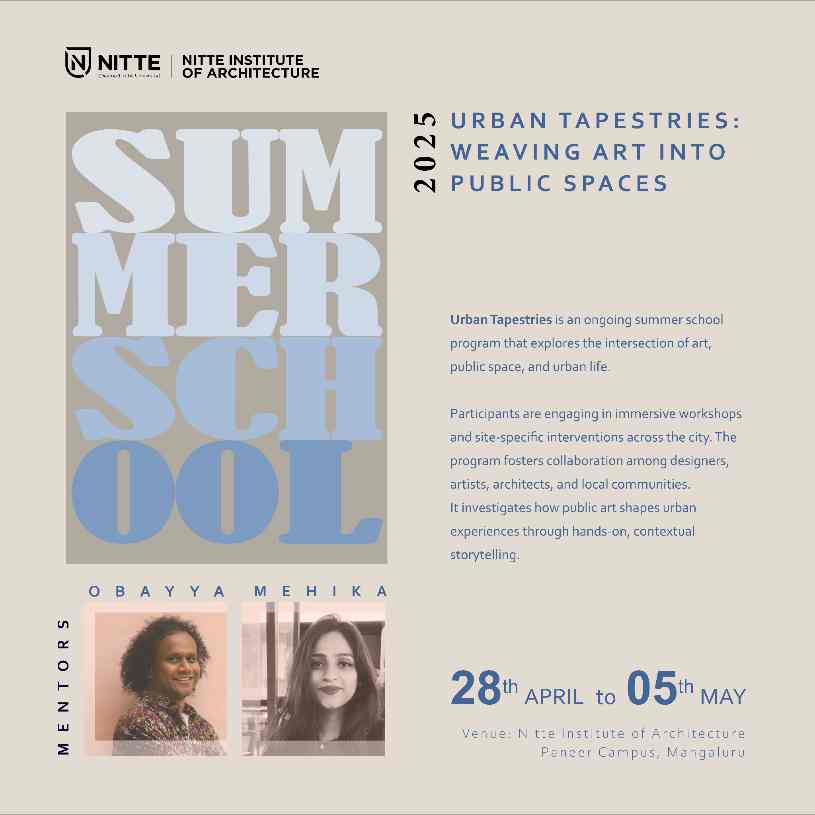 |
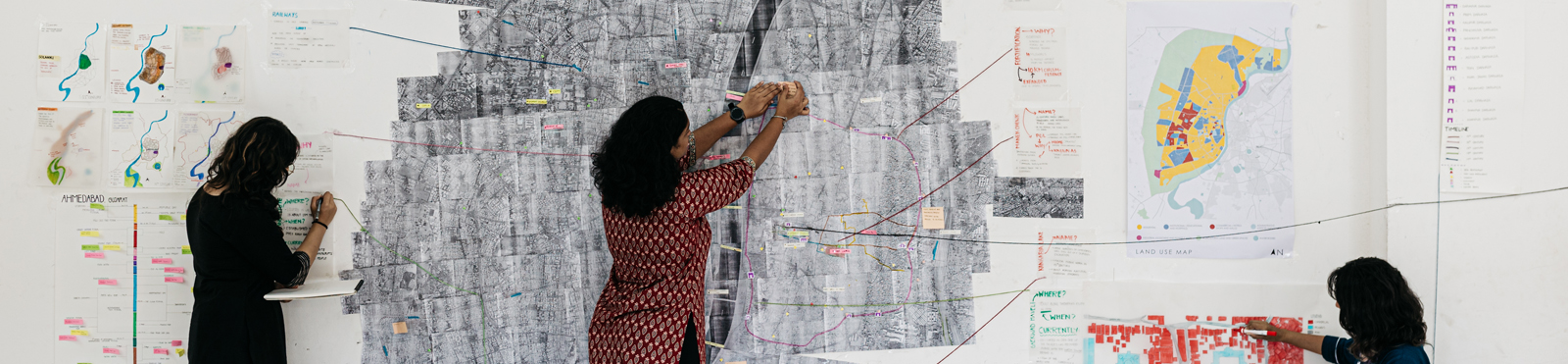
Urban Tapestries - Weaving Art into Public Spaces: This Summer School program explored the dynamic relationship between art, public space and urban life through hands-on workshops enriched by two incredible artists - Obayya and Mehika. Encouraging interdisciplinary collaboration among designers, artists, architects, urbanists and local communities, the program aimed to create impactful public art installations that were aimed to be rooted in the context. The workshop focused on understanding the role of public art in shaping urban narratives and experiences. Through experiential learning, participants worked hands-on with materials, techniques and storytelling approaches to craft meaningful urban interventions.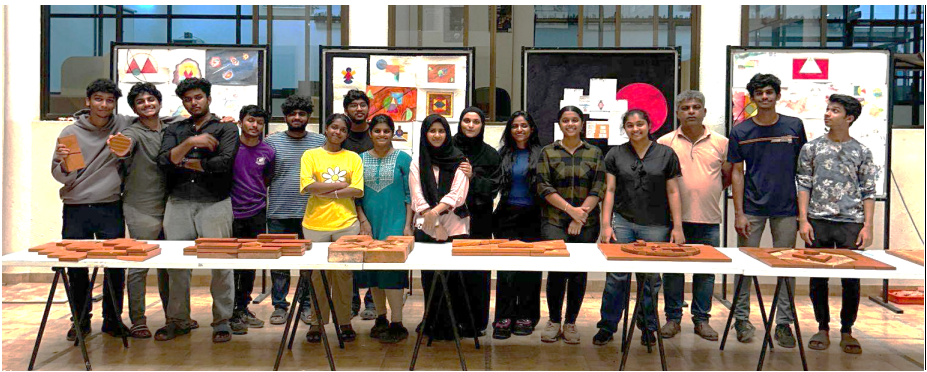 |
CRAFTED BY DESIGN: CROSS-POLLINATING CREATIVITY - A CRAFTSMAN-DESIGNER WORKSHOP SERIES
22nd to 27th JULY 2024
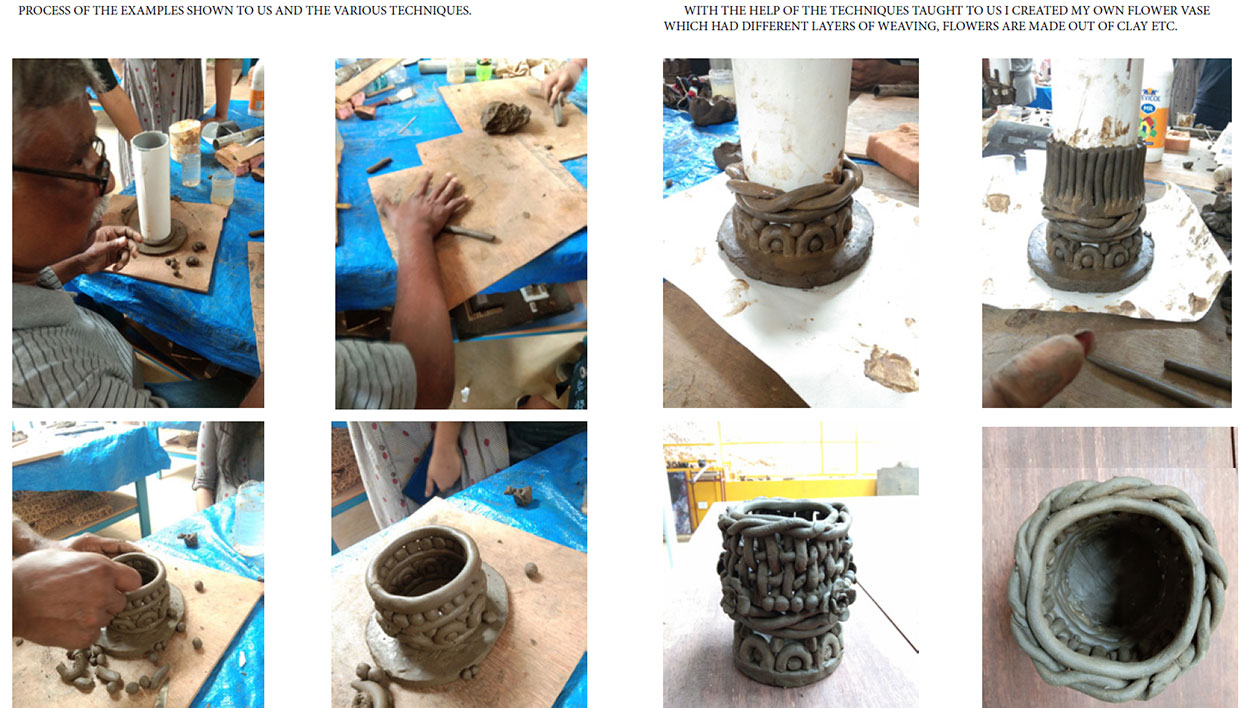
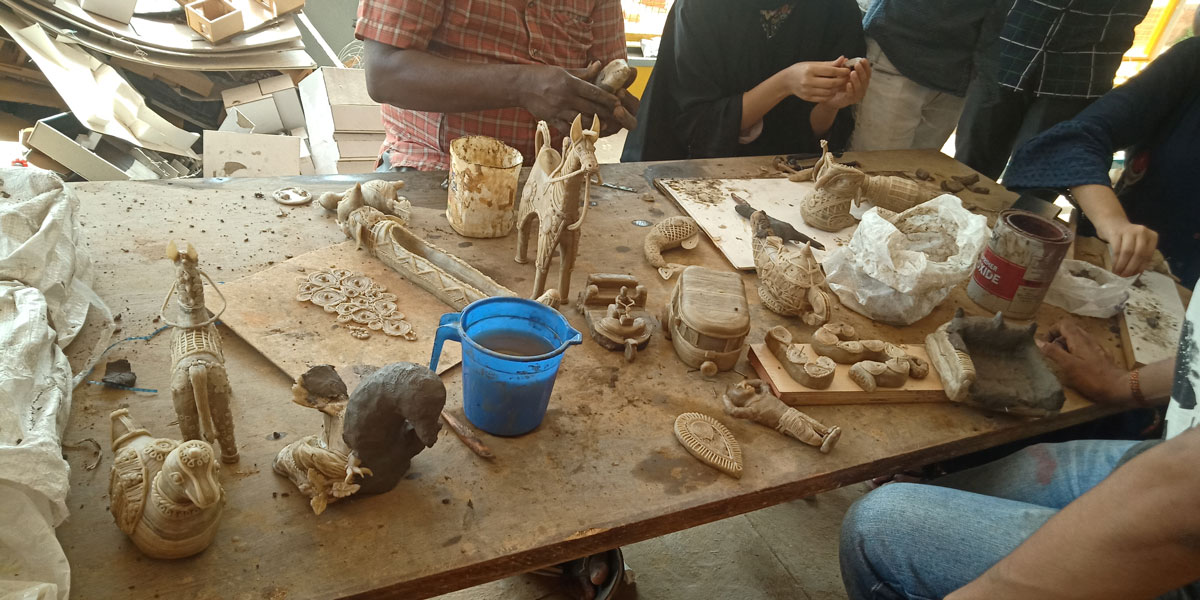
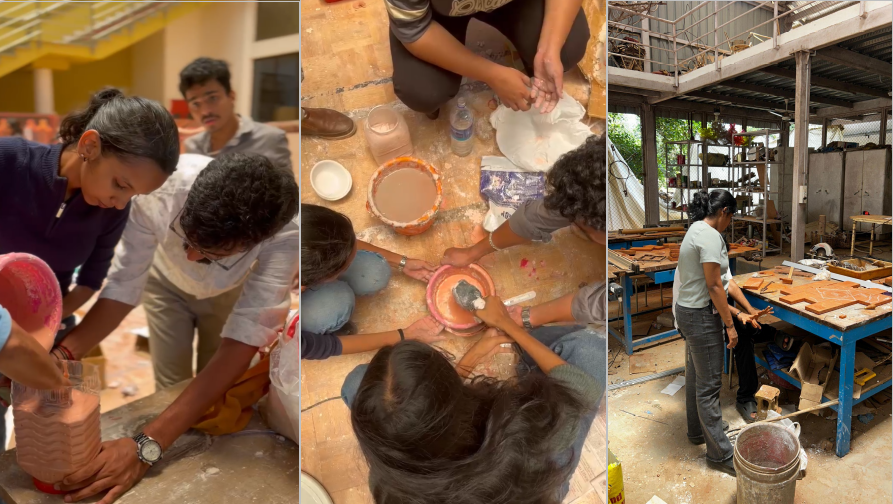
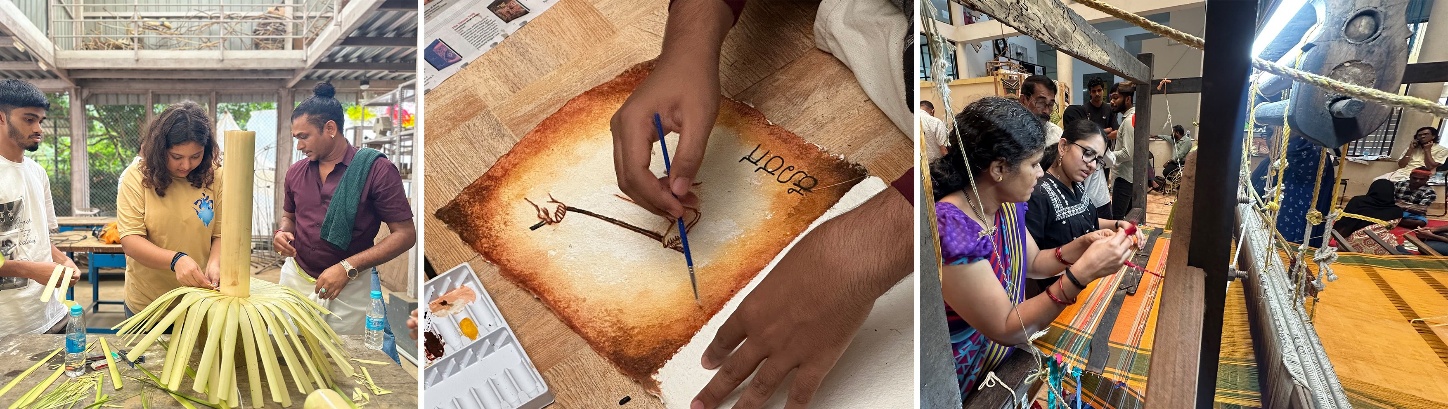
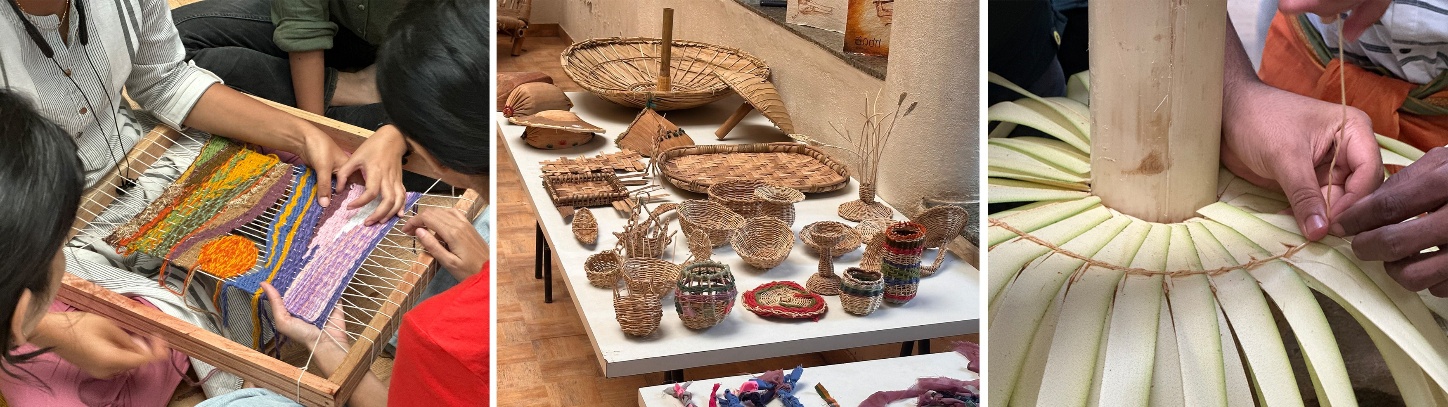
The Craftsman-Designer Cross-Pollination Workshop was a unique platform where designers and craftsmen came together to share, learn and create. This series encouraged collaboration across disciplines, blending traditional skills with contemporary design thinking. The workshops were collaboratively led by artists Kirti Chandak and Madhri Jhaveri with artisans from the Talipady Weavers Society and Pambadha & Koraga Communities.
By bridging the gap between craft and design, the workshops aimed to spark new ideas, promote mutual learning and build meaningful partnerships. Participants exchanged techniques, explored each other’s creative processes and inspired innovation. The week-long program included hands-on sessions, open discussions and collaborative projects. Together, these workshops aimed to celebrate the power of collaboration and the creative energy that emerged when different worlds met.
Design thinking and prototyping
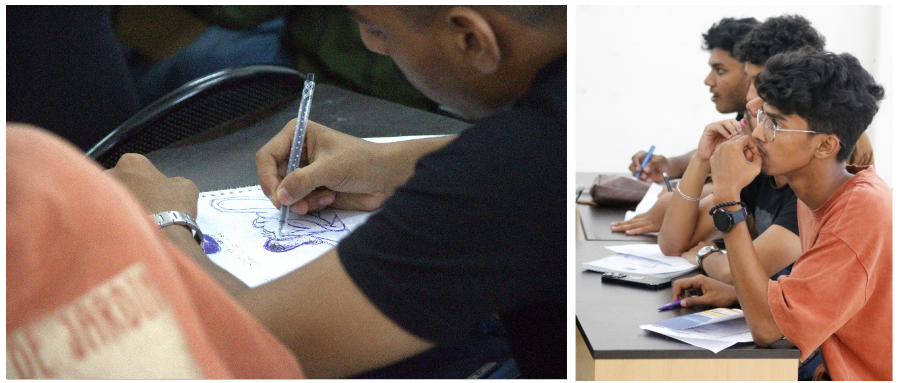
The 5-day workshop from 24th to 29th July 2023 on Design Thinking and Entrepreneurship held at Nitte Institute of Architecture focused on topics such as strategic collective thinking, self-education, design thinking and innovation.
Strategic Collective Thinking was led by Prof. Sankaran, who spoke about the importance of visionary planning and foresight in achieving goals. He introduced the concepts of Pyramidal Thinking, Purpose-Driven Thinking and System Thinking, explaining how these frameworks help in making informed and strategic decisions.
Self-Education and Memory Treatment was conducted by Mr. Gopadkar, who presented innovative ways of learning through creativity. His students performed songs incorporating math theorems to the tunes of Bollywood music and used visual aids to remember social science concepts, promoting a joyful and lasting learning experience. This session emphasized learning for life rather than rote memorization for exams, making education a more personal and engaging journey.
Days 3 - 5 focused on Entrepreneurship and Design Thinking, led by Meenakshi Patil and Krish Srikanth. These sessions encouraged human-centered innovation. Students were introduced to the three main phases of design thinking: Discover, Ideate and Prototype - each stage aiming to create user-friendly, need-based solutions.
The activities helped students learn how to empathize with users, identify real-world challenges, brainstorm creative ideas and develop working prototypes for feedback. By the end of the workshop, students reported improved critical thinking and a deeper understanding of how thoughtful design can create a meaningful change in society.
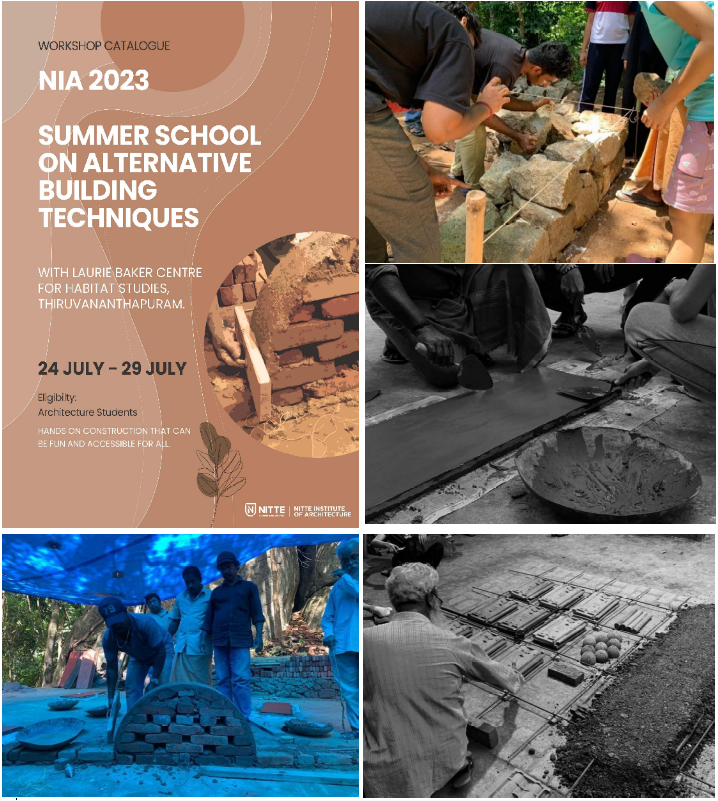
Alternate Building Techniques - Summer School at Laurie Baker Center, Trivandrum
24th - 29th July 2023.
The Alternate Building Techniques Summer School at the Laurie Baker Center in Vilappilsala, Trivandrum, offered students an immersive, hands-on introduction to sustainable architecture rooted in regional materials and techniques. The experience began with interactive sessions by architects from COSTFORD, who shared insights on climate-responsive design and the philosophies of Laurie Baker. Students explored themes like cost-effective construction and the use of local materials, followed by practical exercises in mud testing and wall construction. Over the course of the week, students engaged with various traditional building methods, including rat-trap bond brickwork, Jali patterns for ventilation, wattle and daub techniques, bamboo construction, mud flooring and arch building - each activity reinforcing the importance of low-impact, context-sensitive architecture.
Complementing the technical learning were curated site visits to institutions and iconic buildings that embody Baker’s principles, such as Kanthari, Karimadon, Loyola Hall and the Centre for Development Studies. A traditional Sadya meal added a cultural layer to the experience, while a final day of exploration across heritage landmarks like the Napier Museum and Kuthiramalika Palace helped students appreciate the influence of regional identity on architectural expression. The summer school left participants with enriched perspectives and practical skills rooted in sustainable design thinking.