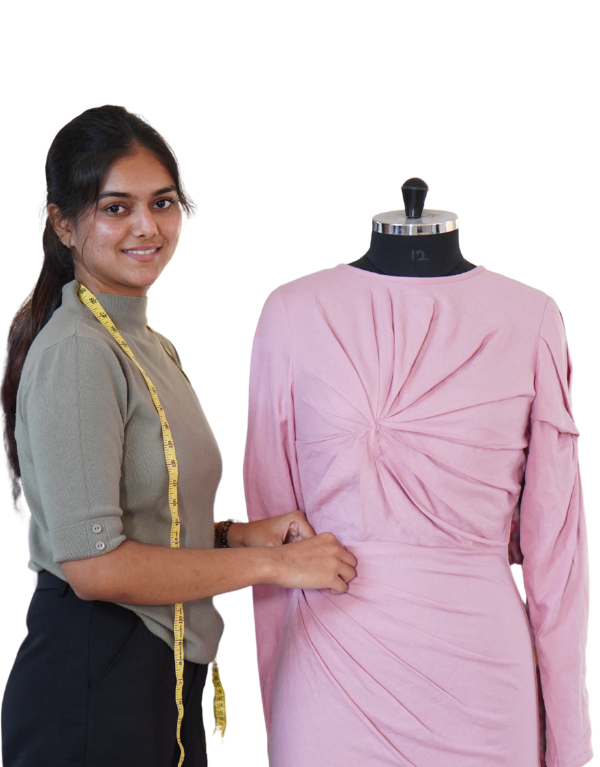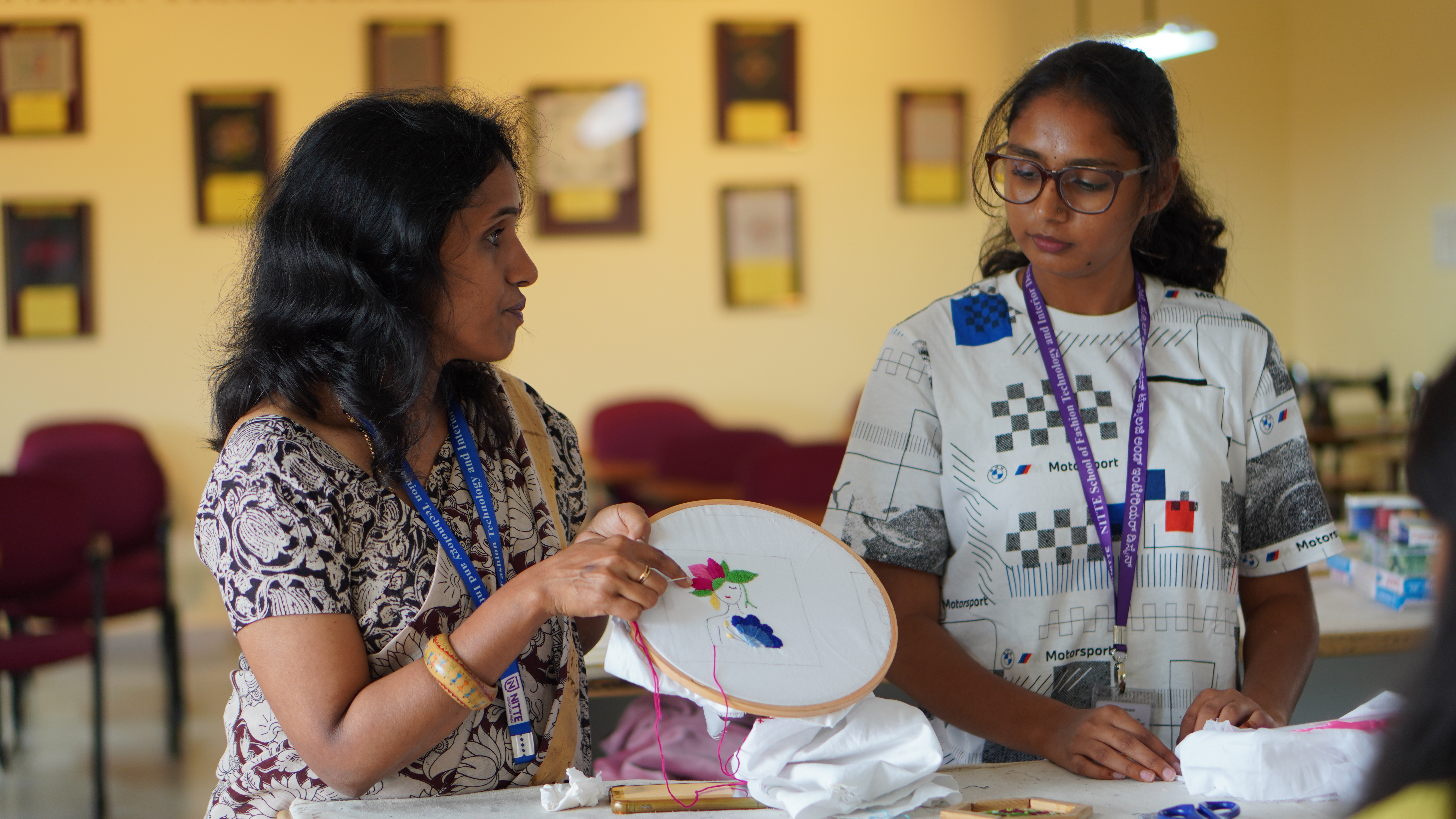
“You design clothes, do you?” I smile and say, “No, not really.” And then usually I get a blank stare in return.
I don't criticize anyone for having such an opinion. Most of us grew up with the idea that textiles meant clothes and clothes meant fashion. It is a pretty natural assumption. But after all these years of working with fibres and fabrics, I have come to see textiles very differently, as something that quietly touches almost every part of our lives in places we never pause to think about.
So let me give you that perspective today.
Textiles Are All Around Us, Not Just on Us
Look around the room that you are in right now. The curtains, the sofa you sit on, the carpet you stand on and even the stuffing that pads your mattress are all textiles. They aren't “worn” and so we don't tend to think of them as such, but they do the same kind of work as clothing, providing comfort, holding shape and lasting through years of daily use.
When I’m talking to interior design students, I always tell them that choosing a fabric for a sofa is not so different from choosing a fabric for a shirt. You’re thinking about the touch, the wear and the aging.
Now consider health care. A simple wound dressing must be permeable so that air can flow through it but infection does not. A surgeon’s gown has to keep fluid out for hours on end but not be so stiff that it hinders the surgeon's tasks. I think it’s really moving that something as basic as fabric can have such an important role in keeping people safe and helping them heal.
Or consider transportation. The seat you sit on in a car, the seatbelt that goes across your chest and the life saving airbag that deploys in a fraction of a second are all textiles designed to do one job very well, often in conditions that no piece of clothing would ever face. On agricultural farms, nets protect crops from birds and bugs. In sports, fabrics absorb impact and protect the body from injury. All of these are textiles, but their work has nothing to do with style or fashion.
The thing that holds all this together is not the look of the material but what it has to do. Strength, flexibility, breathability and protection are the things we think about long before colour or texture even comes into the equation.
A Domain That Is Learning to Consider the Earth
Let me not lie to you. Our field has not always been eco friendly. Making and processing textiles in the normal way can use a lot of water, energy and chemicals. And much of what we produce ultimately becomes waste. For a considerable amount of time, this has been a source of concern for many of us in this profession, and I am confident to report that it is finally being addressed with the seriousness it requires.
This is the reason why people are interested in natural fibres again, agricultural waste that was once burned or thrown away, textiles made from old clothes and new bio based materials coming out of research labs. Fabrics made from discarded garments, banana fibre, flax fibre and pineapple leaf fibre are no longer impossible concepts. They are now within our reach. Actually, they are already in use.
On the other hand, I would like to tell you the truth about something. Sustainability is not a simple choice between “natural” and “synthetic.” When you think of the whole journey, a natural fibre that needs enormous amounts of water to be grown or that wears out after a few washes may not actually be the kinder option.
We should be asking tougher questions. How long will this product last? How much energy was used to make it? Can it be reused? What becomes of it when it is finally thrown away?
These are not simple questions and I don't always have straightforward answers to them myself. But the real change starts when you really ask them.
What Are Fibres Becoming Other Than Clothes?
Some of the most exciting work I see happening today doesn’t even look like textile in the traditional sense. Natural fibres are being combined with resins to create strong composite materials used in furniture, car parts and even building components. Natural fibres and recycled textile waste are also being used to make interior products. Researchers are developing biodegradable materials that simply disappear when their life is over rather than sitting in a landfill for decades.
Textiles are also being used to reinforce construction and packaging materials, giving strength with very little weight. Then there are so called smart textiles, fabrics that have tiny embedded sensors capable of detecting temperature or body movement. It might sound like something from the future, but it is really the same story continuing to evolve. Textiles are adapting to meet whatever the times demand of them.
A Word to the Young Designers Among Us
If you are a student of fashion, textiles or interior design reading this, I want to say something to you directly. Colour, texture and appearance will always matter in your work and they should. But increasingly, you will also need to think about how a material performs, how comfortable it feels to the person using it, how long it lasts, what it costs the environment to make and what can be done with it once its first life is over.
You don't need to become a scientist to do this well. But you do need enough curiosity to ask the right questions and enough openness to work closely with people who understand the science behind the materials you love working with. I have seen the best outcomes happen exactly at this meeting point where design and material science come together.
Where I Think We Are Headed
I don't believe the future of textiles will arrive as one big dramatic invention. It will come more quietly through small and steady improvements, better materials, more careful use of resources, less waste and products designed with their whole journey in mind from the raw fibre to what happens after we are done with them.
I am not saying that textiles can solve every environmental problem we have today. That wouldn't be truthful and I don't think it would be fair to you either. But I do believe, and I say this with real hope, that this field is finding quiet and useful ways to help, in the way we build our homes, care for the ill, travel from one place to another, produce our food and simply live our daily lives a little better.
That, in my opinion, is something worthy of our attention.