The Search for Unusual Allies: Why Frogs?
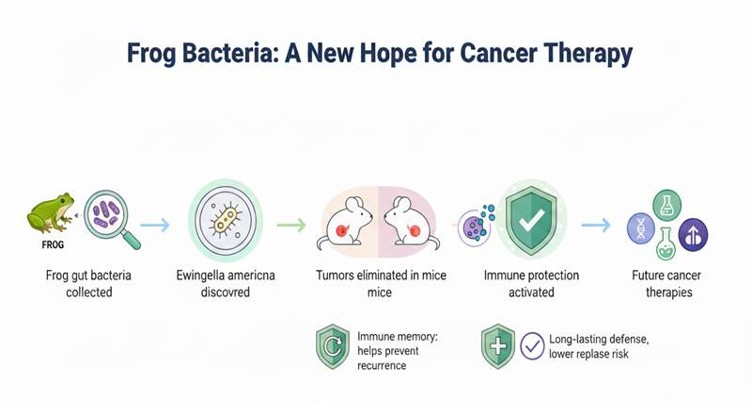
Researchers from the Japan Advanced Institute of Science and Technology (JAIST) were motivated by the idea that wild amphibians and reptiles—whose immune systems are constantly exposed to pathogens in their environments—might harbor unique bacteria with potent therapeutic properties.2 The idea was simple yet innovative: could bacteria from these hardy animal’s fight disease in mammals, possibly even cancer?
To explore this, the team collected gut bacteria from:
- Japanese tree frogs (Dryophytes japonicus)
- Japanese fire-belly newts (Cynops pyrrhogaster)
- Japanese grass lizards (Takydromus tachydromoides)
Out of 45 isolated bacterial strains, only nine were deemed safe for use in mammals. Among these, Ewingella americana—a bacterium found in the gut of the Japanese tree frog—stood out for its dramatic anticancer effects.
Experiment and Results: Tumor Eradication in Mice
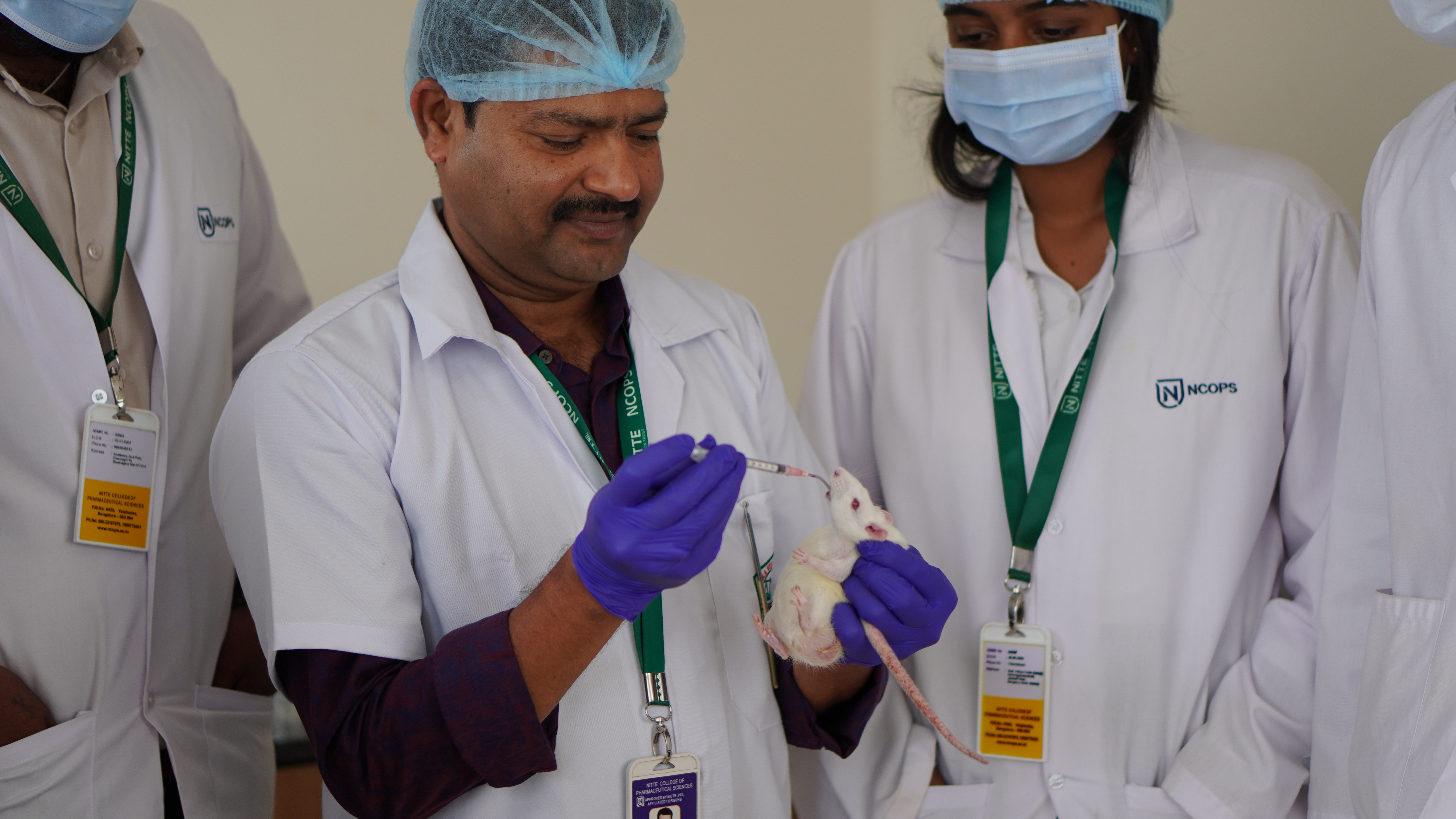
The research team induced colorectal tumors in laboratory mice, then treated them with a single intravenous dose of Ewingella americana. The results were stunning:
- Complete Tumor Elimination: All treated mice experienced total regression of their tumors.
- Superior to Standard Therapies: This result outperformed leading existing treatments, including advanced immunotherapies and chemotherapy.
Key Observations
- Rapid Tumor Colonization: Within 24 hours, E. americana accumulated in the tumors at levels up to 3,000 times higher than in any healthy tissue.
- No Harmful Side Effects: The bacterium was quickly cleared from the blood and did not colonize healthy organs. No toxicity was observed in any treated mice.
How Does It Work?
Ewingella americana’s success in eliminating tumors depends on a dual mechanism:
- Direct Attack on Cancer Cells:The bacterium thrives in the low-oxygen (hypoxic) environment of tumors, where it multiplies and directly damages cancer cells.
- Immune System Activation:E. americana acts like a “beacon,” recruiting the mouse’s own immune system—especially T cells, B cells, and neutrophils—to the tumor site. This coordinated attack helps destroy remaining cancer cells.
Long-Lasting Protection
Perhaps most impressive, when cured mice were re-injected with cancer cells, none developed new tumors. This suggests that the bacterium not only eliminated the original tumor but also triggered a durable immune memory, providing ongoing protection.
What Makes This Discovery Unique?
- Microbiome-Based Cancer Therapy: This is one of the first examples of using a naturally occurring bacterium from amphibians to treat cancer in mammals.
- Selective Tumor Targeting: Because E. americana only grows in the hypoxic conditions found in tumors, it avoids damaging healthy tissue—a major drawback of many current cancer therapies.
- Potential for Immune Memory: The ability to create lasting immunity could help prevent cancer recurrence, a major challenge in oncology.
Limitations and Next Steps
While these findings are promising, several important limitations remain:
- Preclinical Stage: Results are so far limited to mice. Human cancers are more complex, and extensive testing will be needed before any clinical trials.
- Unknowns in Human Application: Scientists do not yet know if the bacterium will have the same effect in people or if the human immune system will react differently.
Next Steps in Research
The research team is now:
- Testing whether E. americana can treat other cancer types (such as breast and pancreatic cancer).
- Exploring oral administration and combination therapies with existing cancer treatments.
- Preparing for safety and efficacy trials in larger animals, a necessary step before moving to human studies.
Implications for the Future
This discovery opens a new frontier in cancer research:
- Personalized Microbiome Therapies: The future could see tailored bacteria-based treatments that selectively target tumors in individual patients.
- Reduced Side Effects: Unlike chemotherapy, which harms healthy cells, microbiome-based approaches may offer powerful cancer-killing effects with minimal side effects.
- Prevention and Immunity: By harnessing immune system memory, such therapies could not only cure but also prevent recurrence.
Conclusion
The frog gut bacterium discovery is a testament to the power of looking beyond conventional sources for new medicines. While there’s still a long road before this therapy reaches the clinic, it demonstrates the enormous potential of the microbiome in fighting cancer. As research progresses, this humble frog bacterium could leap from the pond to the forefront of cancer treatment innovation.